

A crisis rarely announces its arrival. Whether facing a natural catastrophe like a hurricane or an industrial accident involving chemical spills, a facility manager faces immediate pressure. The speed of the response determines the severity of the outcome. However, a rapid response remains impossible if necessary equipment lies buried under debris, scattered across a warehouse, or locked in an inaccessible room.
Dedicated disaster cleanup lockers provide the solution to this logistical nightmare. These specialized storage units make sure that critical tools, personal protective equipment (PPE), and mitigation supplies remain secure, organized, and ready for deployment at a moment’s notice. Understanding the function, construction, and strategic application of disaster cleanup lockers allows businesses to maintain safety standards and protect their workforce during chaotic events.
Defining the Disaster Cleanup Locker
A disaster cleanup locker serves a specific purpose beyond general storage. Manufacturers engineer these units to withstand harsh environments while keeping the contents inside pristine. Unlike a standard gym locker or a supply closet shelf, these units often feature heavy-duty steel construction, reinforced locking mechanisms, and high-visibility coloring.
The primary function centers on centralization. During an emergency, employees cannot waste time searching for a shovel in one building and a respirator in another. This unit acts as a self-contained response station. It holds everything a response team needs to stabilize a situation, creating a dedicated hub for emergency mitigation.
Understanding Construction and Durability Standards
Standard storage cabinets often fail under stress. A disaster cleanup locker must survive the disaster itself. High-quality units typically utilize heavy-gauge steel, often 12-gauge or 14-gauge, to resist impact damage. If a wall collapses or heavy machinery strikes the unit, the structure must protect the emergency gear inside.
Corrosion resistance also plays a vital role. Facilities often place these lockers in semi-exposed areas or environments with high humidity. Powder-coated finishes prevent rust and degradation. Furthermore, ventilation features prevent the buildup of fumes if the locker holds specific chemical neutralizers, ensuring that the team does not face a toxic cloud when they open the doors to retrieve gear.

Storing Personal Protective Equipment Safely
The first rule of disaster response involves protecting the responder. No employee should attempt cleanup without proper PPE. Disaster cleanup lockers provide a designated clean zone for Tyvek suits, heavy-duty gloves, N95 respirators, and safety goggles.
Keeping PPE separate from general tools and contaminants prevents degradation. For example, if a respirator sits next to a leaking oil can on an open shelf, it becomes useless. The locker structure allows for shelving configurations that separate sterile safety wear from rough tools, ensuring the gear performs correctly when an employee puts it on.
Organizing Chemical Absorbents and Neutralizers
Spills frequently accompany disasters. An earthquake might rupture a pipe, or a forklift accident might puncture a drum. Mitigation requires immediate access to absorbents. These lockers offer the ideal volume to store bags of granular absorbent, absorbent pads, and containment socks.
Organization leads to speed. Shelving systems within the locker allow teams to stack spill response supplies in order of use. You might store dedicated hazmat containers for immediate waste disposal alongside the fresh absorbents. This proximity allows the cleanup crew to contain, clean, and dispose of the hazardous material in one seamless motion without leaving the area to find disposal drums.
Securing Heavy-Duty Cleanup Tools
Debris management requires substantial tools. Shovels, brooms, squeegees, and pry bars pose a storage challenge due to their length and shape. Leaving them leaning in a corner creates a tripping hazard and invites theft.
Disaster cleanup lockers often feature vertical storage compartments or hooks designed specifically for long-handled tools. This keeps the equipment off the floor and prevents damage. When a team needs to clear a path through rubble or push floodwaters toward a drain, they can grab the necessary tool immediately. Secure storage also prevents these heavy items from becoming projectiles during severe weather events or seismic activity.
Deploying Lockers for Flood Response
Water damage escalates quickly. Mold begins to grow within 24 to 48 hours of water exposure. A facility located in a flood zone uses disaster cleanup lockers to stage water remediation equipment.
Contents for this specific use case differ from standard spill kits. The locker protects wet-dry vacuums, dehumidifiers, air movers, and sump pumps. Having this electrical equipment stored in a waterproof, raised locker ensures that the tools work when the floodwater recedes. The locker serves as the first line of defense against long-term structural damage by enabling instant water extraction.
Utilizing Storage During Chemical Spill Emergencies
Industrial facilities handling aggressive acids, bases, or solvents face high risks. A spill here threatens human health and the local ecosystem. In this scenario, the locker functions as a mobile command post for hazardous material containment.
Strategically placing these lockers near high-risk mixing or loading zones reduces response time. The unit holds specific neutralizers—baking soda for acids or citric acid for bases—along with chemical-resistant boots and aprons. The ability to neutralize a chemical spill within seconds rather than minutes often prevents a reportable EPA incident and saves the company from substantial fines and legal liability.
Positioning Lockers for Fire Debris Management
After the fire department extinguishes a blaze, the facility faces a toxic, chaotic environment. Ash, soot, and water-logged debris create significant safety hazards. Cleanup lockers designed for fire recovery focus on respiratory protection and heavy debris removal.
These units house high-filtration masks to protect lungs from particulate matter. They also store thick-soled boots to protect feet from nails and sharp debris hidden in the ash. By positioning these lockers near exits or fire assembly points, management ensures that no one re-enters a compromised zone without the necessary physical protection.
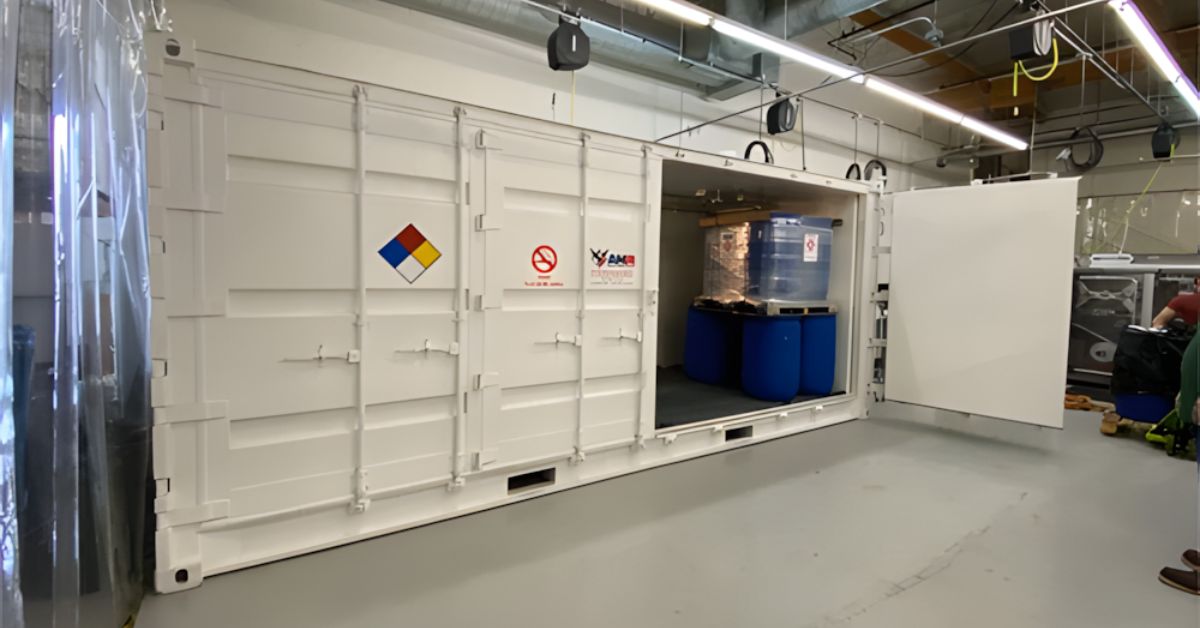
Ensuring Compliance With OSHA Regulations
Regulatory bodies like OSHA strictly enforce safety standards regarding emergency preparedness. 29 CFR 1910.120 requires employers to provide appropriate PPE and training for emergency response operations. Mere ownership of the equipment does not satisfy the requirement; the equipment must be accessible and maintained.
A locked, disorganized basement room does not constitute “accessible.” A clearly labeled disaster cleanup locker located on the factory floor demonstrates a commitment to compliance. It shows inspectors that the facility prioritizes safety and has a concrete plan for equipment retrieval. This visible dedication to safety protocols builds trust with the workforce and reduces the likelihood of citations during surprise inspections.
Maintaining Inventory for Instant Readiness
A locker only offers value if the contents remain functional. Facilities must implement a rigorous inspection schedule. You cannot discover that the flashlights have dead batteries or the absorbents have solidified due to moisture when the disaster actually strikes.
Establish a routine audit process to verify readiness:
- Check expiration dates on all chemical neutralizers and sterile eyewash solutions.
- Inspect PPE for signs of dry rot, cracks, or discoloration.
- Test all mechanical tools and flashlights to confirm functionality.
- Verify that the locker door hinges and locks operate smoothly without resistance.
- Update the inventory list attached to the inside of the door to reflect current stock.
- Restock any items used during minor incidents immediately.
Prioritizing Preparation Over Reaction
Disasters test the resilience of every organization. Relying on luck or scrambling for supplies at the last minute invites tragedy. Disaster cleanup lockers provide the infrastructure necessary to turn a chaotic event into a managed response. By securing the right tools, protecting essential PPE, and ensuring immediate accessibility, facility managers protect their property and, more importantly, their people.
Do not wait for the next crisis to reveal the gaps in your safety plan. Evaluate your facility’s specific risks today. Identify the zones where floods, spills, or accidents are most likely to occur. Equip your team with the robust storage solutions they need to respond effectively.