
Global trade relies heavily on a standardized steel box. Without the International Organization for Standardization (ISO) container, the modern economy would struggle to function. These units transport raw materials, consumer goods, and hazardous chemicals across oceans and continents every day. However, their significance extends far beyond simple transportation. For industries dealing with dangerous goods or requiring precise logistical coordination, the ISO container represents an important engineering feat that creates safety, compliance, and efficiency.
Choosing the correct container determines the safety of your cargo and the people handling it. Improper storage or utilizing containers that fail to meet strict regulatory standards invites serious consequences, including environmental contamination, legal penalties, and catastrophic workplace accidents. Organizations must understand exactly why these ISO containers matter and how they function to maintain a safe and compliant supply chain.
Establishing a Global Standard for Cargo Transport
Standardization remains the primary reason ISO containers dominate the logistics industry. Before their introduction, shipping required manual loading of crates, sacks, and barrels, which wasted time and increased the risk of damage. The ISO set precise dimensions and engineering requirements that every manufacturer must follow. This uniformity ensures that a container loaded in Shanghai will fit perfectly onto a truck chassis in Los Angeles or a railcar in Hamburg.
Engineers design these units with exact specifications for height, width, and length. This precision allows stacking containers securely on massive cargo ships, maximizing space and stability. Deviating from these standards would disrupt the entire global supply chain. For businesses, this predictability eliminates the guesswork. You know exactly how much space you have and how the logistics network will handle your shipment.
Ensuring Durability Through Robust Construction Materials
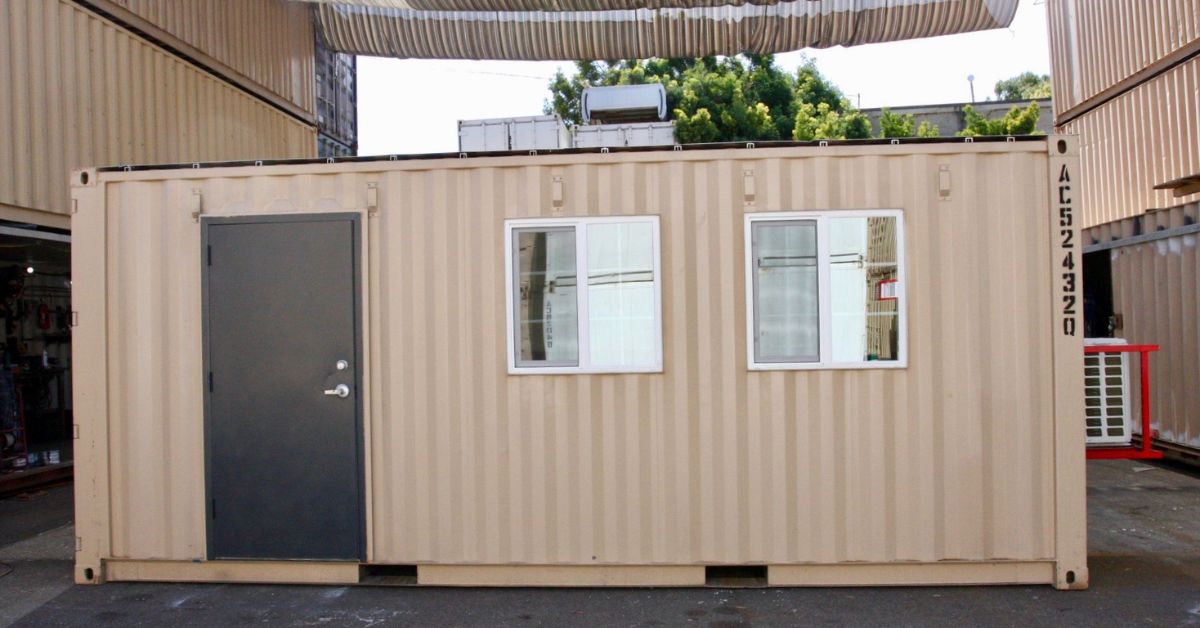
Manufacturers construct standard ISO containers using high-quality Cor-Ten steel, also known as weathering steel. This material resists corrosion and withstands the harsh saline environment of ocean travel. The walls and frames must endure extreme forces, including heavy stacking loads and the dynamic stresses of rough seas.
Structural integrity prevents container failure during transport. A compromised container poses severe risks, especially when stacked several tiers high. If a unit collapses, it endangers dockworkers and can cause millions of dollars in cargo loss. By utilizing high-grade steel and reinforced corner posts, these containers protect their contents from impact and weather elements. Companies that prioritize high-quality containers invest in the long-term safety of their operations.
Protecting Hazardous Chemicals and Sensitive Goods
Transporting hazardous materials demands rigorous safety measures. Specialized ISO tank containers and modified dry vans provide the necessary protection for dangerous chemicals, flammable liquids, and toxic substances. These units must prevent leaks and withstand internal pressure changes.
Improper storage of hazardous chemicals leads to disastrous outcomes. A leak during transit can cause fires, explosions, or widespread ecological damage. ISO containers designed for hazardous materials often feature specialized linings, pressure relief valves, and reinforced shells. They act as the first line of defense against chemical accidents. Organizations handling these materials must verify that their containers meet specific hazardous goods regulations to avoid endangering public safety.
Allowing Seamless Transfer Between Transit Modes
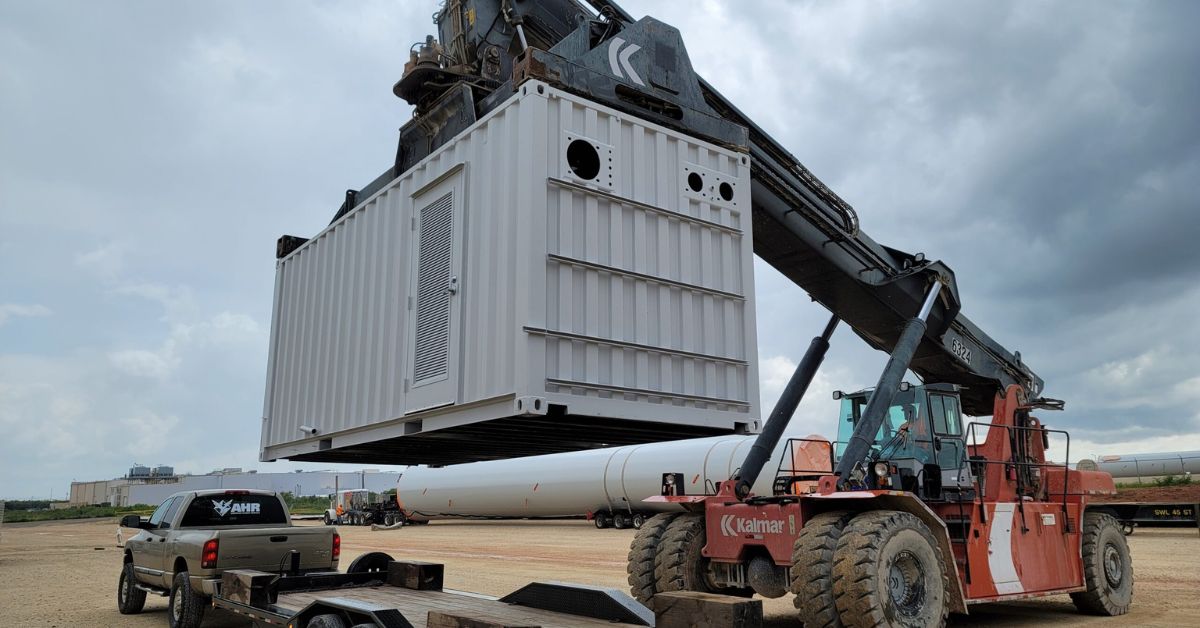
Intermodal transportation defines the versatility of the ISO container. The design allows cranes to lift the unit from a ship and place it directly onto a train or truck without workers ever touching the cargo inside. This capability significantly reduces the risk of theft and damage, as the doors remain sealed from the point of origin to the final destination.
Efficiency in transfer keeps supply chains moving. Manual reloading at every transition point would cause massive delays and skyrocket labor costs. The corner castings—the heavy steel fixtures at each corner of the container—provide standardized anchor points for twist-locks and crane spreaders. This system ensures the container locks securely to any mode of transport, maintaining stability even at high speeds on the highway or rail.
Meeting Strict Regulatory Compliance Requirements
International safety conventions govern every aspect of container usage. The Convention for Safe Containers (CSC) requires every container to carry a valid safety approval plate. This plate serves as the unit’s passport, confirming it has passed rigorous testing for structural soundness.
Inspectors examine these plates regularly. Using a container with an expired or missing CSC plate violates international law and subjects your company to heavy fines and shipment delays. Furthermore, using a non-compliant container for hazardous materials constitutes gross negligence. Compliance officers enforce these rules to prevent structural failures that could injure personnel or damage infrastructure. You must monitor the compliance status of your container fleet diligently.
Providing Versatile Solutions for Industrial Storage
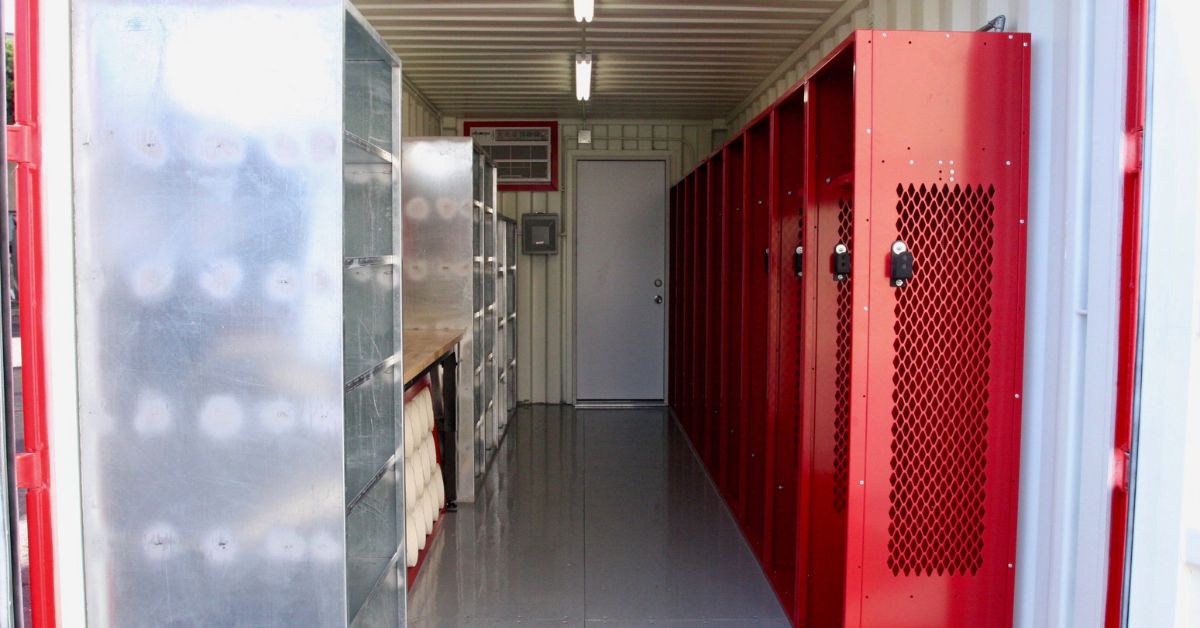
Beyond shipping, ISO containers offer robust solutions for static industrial storage. Many companies utilize them to store equipment, tools, and raw materials on job sites or within manufacturing facilities. Their weather-resistant nature keeps contents dry and secure, even in remote locations.
However, storing chemicals in these units requires modifications to meet local fire codes and environmental regulations. Simply placing drums of chemicals in a standard dry van often violates safety protocols. Proper ventilation, spill containment floors, and fire suppression systems transform a standard box into a compliant chemical storage unit. Ignoring these modifications increases the risk of fume accumulation and chemical interactions.
Optimizing Supply Chain Efficiency and Speed
Speed defines the modern marketplace. ISO containers streamline the logistics process, allowing companies to respond quickly to market demands. The ability to track a specific container number provides visibility into the supply chain, allowing managers to predict arrival times and plan inventory accordingly.
Delays in the supply chain often stem from poor planning or equipment failure. Standardized containers minimize these variables. When every link in the logistics chain utilizes compatible equipment, friction disappears. Cranes work faster, trucks load quicker, and ships turn around in port with greater efficiency. This optimization directly impacts the bottom line, reducing overhead costs associated with shipping and storage.
Adapting Designs for Specialized Applications
While standard sizes dominate, the industry also relies on specialized variations to solve unique challenges. Open-top containers allow cranes to load heavy machinery from above, while flat racks support oversized cargo that exceeds standard width requirements. Refrigerated units, or “reefers,” maintain precise temperatures for perishable goods like pharmaceuticals and food.
Sometimes, standard options fail to meet specific project requirements. In these instances, engineers design custom ISO containers to house specialized equipment, such as mobile generators, water filtration systems, or mobile laboratories. These modified units retain the standardized exterior dimensions for shipping while offering a completely tailored interior. This adaptability ensures that even the most complex industrial projects can leverage the global logistics network without sacrificing functionality or safety.
Prioritizing Safety in Container Selection
It’s important to understand and respect the significance of the ISO container. Viewing these units merely as metal boxes ignores the sophisticated engineering and regulatory framework that allows for their safe operation. Whether you transport hazardous chemicals across the ocean or store valuable equipment on a construction site, the integrity of the container dictates the safety of the operation.
Failure to adhere to safety standards and regulatory requirements leads to preventable accidents and severe reputational damage. Inspect your containers rigorously. Verify their certification. Understand the specific needs of your cargo. By prioritizing compliance and choosing the right equipment for the task, you protect your workforce, the environment, and your business interests.