
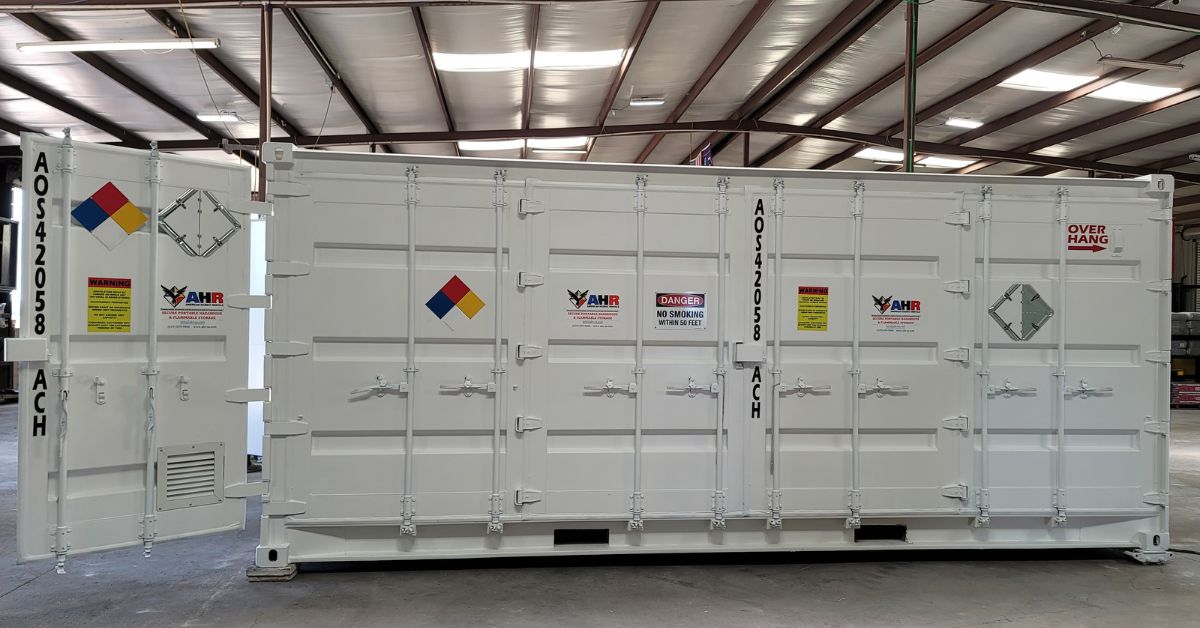
Hazardous material labeling plays a huge role in workplace safety, regulatory compliance, and operational efficiency. Every label communicates essential information that protects workers, guides emergency responders, and ensures proper handling throughout a product’s lifecycle. When teams label materials correctly, they reduce risk, avoid costly violations, and maintain safer job sites.
Companies that manage hazardous substances, especially large contractors and industrial operations, must treat labeling as a non-negotiable part of their safety program.
Below, you’ll find the most important dos and don’ts to follow when labeling hazardous materials, along with practical insights to help you apply them effectively.
Why Hazardous Material Labeling Matters
Hazardous material labels do more than identify contents. They communicate risks instantly. Workers rely on labels to understand exposure dangers, required protective equipment, and emergency procedures.
Regulatory agencies such as OSHA and the DOT enforce strict labeling requirements. Non-compliance can lead to fines, project delays, or even shutdowns. More importantly, poor labeling increases the likelihood of accidents, injuries, and environmental harm.
Clear labeling supports:
- Worker safety
- Proper storage and handling
- Emergency response readiness
- Regulatory compliance
- Efficient operations across job sites
Do: Follow OSHA and GHS Standards
OSHA’s Hazard Communication Standard (HazCom) aligns with the Globally Harmonized System (GHS). These standards define how labels should appear and what information they must include.
Every compliant label should feature:
- Product identifier
- Signal word (Danger or Warning)
- Hazard statements
- Precautionary statements
- Pictograms
- Manufacturer information
You should never improvise label formats. Standardization ensures that workers can recognize hazards quickly, even across different sites or vendors.
Don’t: Use Incomplete or Vague Labels
Incomplete labels create confusion and increase risk. A container marked only with a product name or abbreviation does not provide enough information for safe handling.
Avoid vague language like:
- “Chemical Mix”
- “Cleaner”
- “Solution A”
These descriptions fail to communicate hazards. Every label must clearly identify the substance and associated risks.
Do: Ensure Labels Remain Legible at All Times
Labels must stay readable throughout the life of the container. Exposure to weather, chemicals, or physical wear can degrade labels quickly.
Use durable materials designed for industrial environments. Waterproof and chemical-resistant labels work best for outdoor or high-exposure settings.
You should also inspect labels regularly and replace any that show signs of fading, peeling, or damage.
Don’t: Ignore Secondary Containers
Many teams transfer hazardous materials into secondary containers for daily use. These containers require proper labeling as well.
You cannot assume that workers will remember what a substance contains. Every secondary container must include at least a product identifier as well as general hazard information.
Failure to label secondary containers often leads to accidental misuse or unsafe handling.
Do: Match Labels to Safety Data Sheets (SDS)
Every hazardous material must have a corresponding Safety Data Sheet. Labels and SDS information must align perfectly.
Workers often cross-reference labels with SDS documents to confirm chemical composition and hazard classifications. They also help with emergency procedures in the case of a disaster. Any mismatch can create confusion and compromise safety protocols.
Don’t: Overlook Environmental and Storage Conditions
Environmental factors can impact both label durability and clarity. Heat, moisture, and chemical exposure all degrade materials over time.
You should select labels that match the storage environment. For example, containers stored outdoors or in harsh industrial settings require more durable labeling solutions.
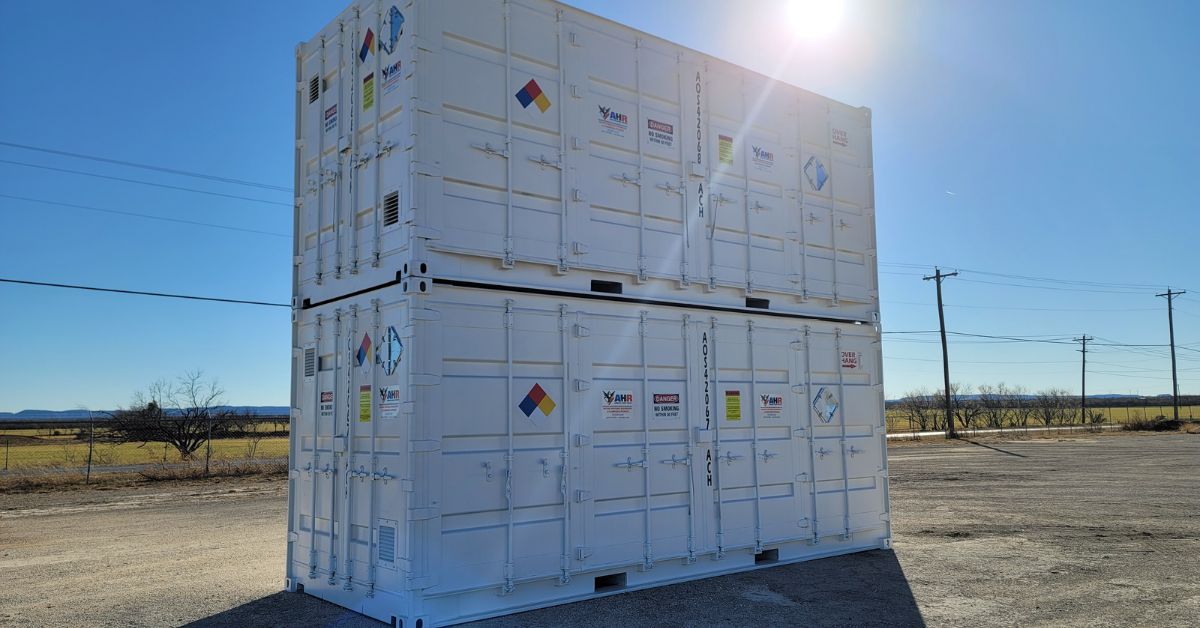
This becomes especially important when working with chemical storage containers, where long-term exposure conditions demand consistent label visibility.
Do: Use Clear Hazard Pictograms
GHS pictograms provide immediate visual cues about hazards. Workers can identify risks quickly without reading detailed text.
Common pictograms include:
- Flame (flammables)
- Skull and crossbones (toxicity)
- Corrosion (skin/metal damage)
- Gas cylinder (compressed gases)
Always use the correct pictogram for each material. Incorrect or missing symbols can lead to serious handling errors.
Don’t: Rely on Color Alone
While color coding can help organize materials, it should never replace proper labeling.
A red container might suggest danger, but it does not specify the type of hazard. Workers need detailed information to respond correctly.
Always pair color systems with fully compliant labels.
Do: Train Employees on Label Recognition
Even the best labeling system fails without proper training. Workers must understand how to read and interpret labels.
Training should cover:
- GHS symbols and meanings
- Signal words and hazard levels
- Proper handling procedures
- Emergency response steps
Regular refresher training helps reinforce these concepts and keeps safety top of mind.
Don’t: Assume Everyone Understands the Labels
Different workers may have varying levels of experience or language proficiency. You cannot assume universal understanding.
You should:
- Use clear, standardized language
- Provide multilingual training when needed
- Reinforce learning through signage and visual aids
Consistency and clarity ensure that every team member can act safely and confidently.
Do: Label Waste Materials Properly
Hazardous waste requires the same level of attention as active materials. Improper labeling during disposal can create serious compliance issues.
Waste labels should include:
- Contents and hazard classification
- Accumulation start date
- Handling instructions
Clear labeling ensures proper disposal and reduces environmental risk.
Don’t: Delay Labeling After Filling Containers
You should label containers immediately after filling them. Delays increase the risk of misidentification.
A container without a label, even for a short time, can lead to:
- Accidental mixing of incompatible substances
- Improper storage
- Worker exposure
Make labeling part of the same workflow as filling and sealing containers.
Do: Standardize Labeling Across All Job Sites
Large operations often manage multiple job sites. Inconsistent labeling practices can create confusion when workers move between locations.
Standardization improves:
- Safety consistency
- Training efficiency
- Compliance across projects
Every site should follow the same labeling protocols and formats.
Don’t: Neglect Routine Audits
Labeling systems require regular evaluation. Without audits, small issues can grow into serious compliance problems.
You should schedule periodic inspections to check:
- Label accuracy
- Condition and durability
- Compliance with current regulations
Audits help identify gaps before they lead to incidents or violations.
Do: Integrate Labeling Into Your Overall Safety Plan
Labeling should not stand alone. It must connect with your broader safety strategy, including storage, handling, and transportation practices.
When labeling aligns with storage systems, spill containment measures, and emergency response plans, you create a more cohesive and effective safety program.
Don’t: Treat Labeling as a One-Time Task
Hazardous material management evolves. New chemicals, updated regulations, and changing job conditions all impact labeling requirements.
You must treat labeling as an ongoing process that adapts to:
- Regulatory updates
- Operational changes
- New materials and risks
Continuous improvement keeps your system effective and compliant.
Hazardous Material Labeling
Effective labeling protects people, property, and the environment. It helps make sure that everyone can understand and respond to hazards quickly.
Organizations that prioritize clear, consistent labeling reduce risk and strengthen compliance across all operations. They also create safer, more efficient job sites that support long-term success.
By following these dos and avoiding common mistakes, you can build a labeling system that works reliably in real-world conditions.