
Construction sites demand precision and constant awareness of safety risks. When hazardous materials enter the picture, the stakes rise even higher. Crews must manage chemicals, fuels, and other dangerous substances while protecting workers, the public, and the surrounding environment.
General contractors and project managers need clear systems that reduce risk and support compliance. With the right approach, teams can handle hazardous materials confidently and keep projects moving without unnecessary delays.
Understand What Qualifies as Hazardous Materials
Every construction site uses materials that can cause harm if handled incorrectly. You need to identify these substances early in the planning process so you can manage them properly from day one.
Hazardous materials often include flammable liquids, corrosive chemicals, toxic substances, compressed gases, and various coatings or adhesives. Each type carries its own risks and requires specific handling procedures. Teams should review Safety Data Sheets (SDS) before materials arrive onsite and confirm all storage and usage requirements.
Train Workers Before They Step on Site
Training creates the foundation for safe handling practices. Workers must understand how to identify hazards, use protective equipment, and respond to emergencies without hesitation.
Effective training programs focus on hazard recognition, proper handling techniques, and emergency response actions. Supervisors should reinforce this knowledge regularly through meetings and refreshers. When crews stay informed, they make better decisions and reduce the likelihood of accidents.
Use Proper Labeling at All Times
Clear labeling prevents confusion and helps workers quickly identify risks. Every container must display accurate hazard information that matches the material inside.
Labels should include the chemical name, hazard classification, and handling instructions. Workers should never rely on memory or guesswork. Consistent labeling keeps everyone aligned and reduces mistakes during fast-paced operations.
Store Materials in Designated Areas
You need to separate hazardous materials from general construction supplies. Designated storage areas help control access and prevent accidental exposure.
Place these storage zones away from high-traffic areas and ignition sources. You should also keep them clear of drainage paths to avoid environmental contamination. Organized storage improves efficiency and makes inspections easier to complete.
Choose the Right Storage Solutions
Standard storage options often fall short when dealing with hazardous materials. Construction sites require specialized solutions that provide protection and compliance.
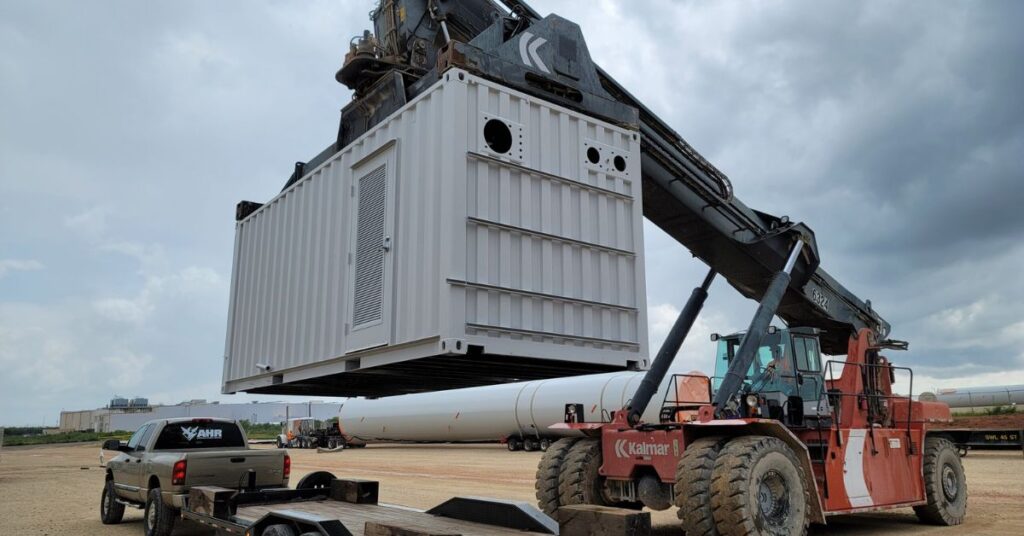
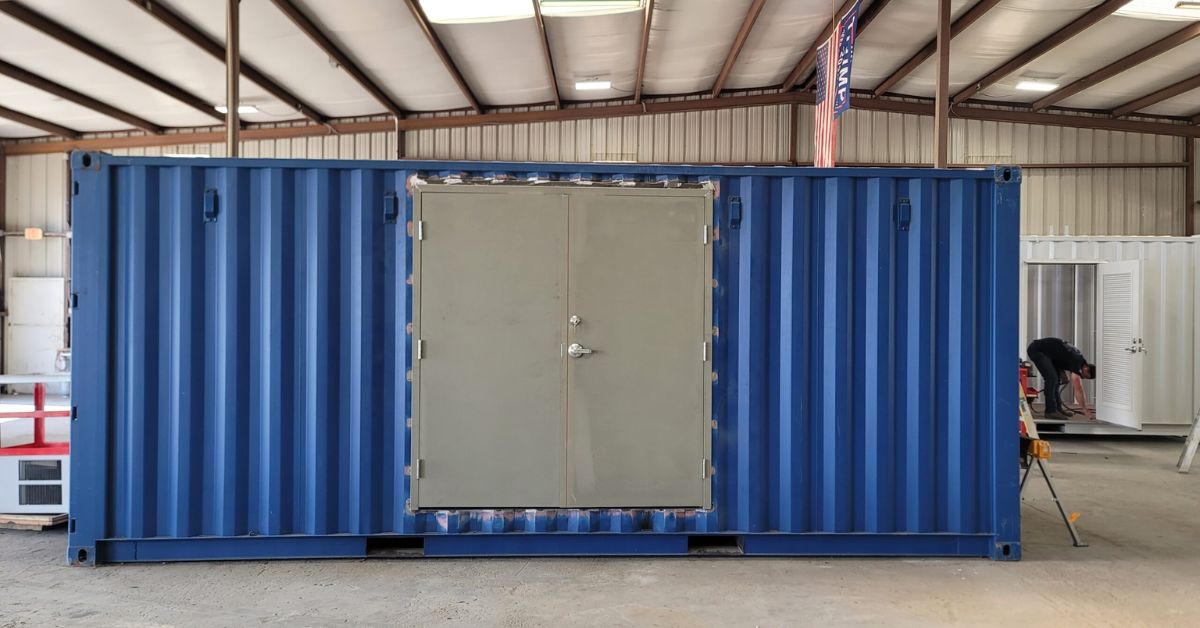
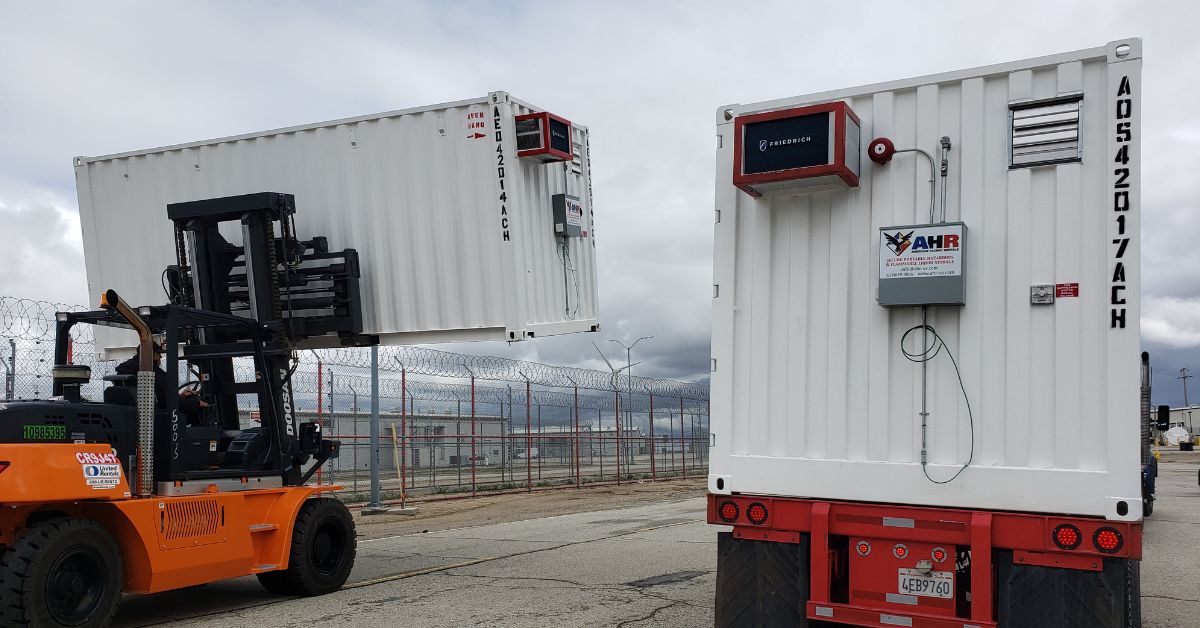
Many contractors turn to custom storage containers built for specific hazard classes. These containers offer features like fire resistance, ventilation systems, spill containment, and secure locking mechanisms. The right solution protects both materials and workers while supporting regulatory requirements.
Maintain Proper Ventilation
Ventilation plays a key role in maintaining safe working conditions. Without proper airflow, fumes and vapors can build up quickly and create dangerous environments.
Storage areas and enclosed workspaces must allow adequate air circulation. Proper ventilation reduces exposure to toxic substances and prevents the accumulation of flammable gases. Crews should never work in confined spaces with hazardous materials unless ventilation meets safety standards.
Wear Appropriate Personal Protective Equipment
Personal protective equipment serves as a critical layer of defense. Workers must wear the correct gear based on the materials they handle and the tasks they perform.
This often includes chemical-resistant gloves, safety goggles, respirators, and protective clothing. Supervisors should enforce PPE requirements consistently across the site. Even brief exposure can lead to serious health risks if workers skip proper protection.
Develop a Spill Response Plan
Spills can occur at any time, even on well-managed construction sites. Teams must prepare for these situations with a clear and actionable response plan.
A strong plan outlines how to contain spills, who takes responsibility during an incident, and how to dispose of contaminated materials. Spill kits should remain easily accessible, and workers should know exactly how to report an issue. Quick action limits damage and keeps projects on track.
Follow Local and Federal Regulations
Construction projects must meet strict safety and environmental regulations. Agencies like OSHA and the EPA establish guidelines that define how teams handle, store, and dispose of hazardous materials.
Contractors should stay updated on current regulations and conduct routine inspections to ensure compliance. Accurate documentation also plays a key role in meeting requirements and avoiding penalties. Following these standards protects your business and builds trust with clients.
Limit Access to Hazardous Materials
Not every worker needs direct access to hazardous substances. Limiting access reduces the chances of misuse or accidental exposure.
Secure storage units with locks and restrict entry to authorized personnel only. Clear policies help maintain accountability and ensure that trained individuals handle sensitive materials. This approach also supports overall site organization and safety.
Conduct Regular Site Inspections
Routine inspections help identify potential issues before they escalate. Supervisors should evaluate storage areas, labeling, and handling practices on a consistent schedule.
These inspections allow teams to catch damaged containers, missing labels, or unsafe behaviors early. Addressing these problems quickly prevents larger safety concerns and keeps operations running smoothly.
Plan for Safe Transportation Onsite
Moving hazardous materials across a jobsite requires careful planning. Improper handling during transport can lead to spills or exposure.
Workers should use approved containers and secure materials properly before moving them. They should also follow designated routes and avoid unnecessary handling. Controlled movement reduces risk and keeps materials contained at all times.
Manage Waste and Disposal Properly
Hazardous waste requires the same level of attention as active materials. Improper disposal can lead to environmental damage and serious legal consequences.
Teams should separate hazardous waste from general debris and store it in clearly labeled containers. Licensed disposal providers should handle removal and processing. Proper waste management ensures compliance and protects the surrounding area.
Communicate Clearly Across Teams
Strong communication keeps everyone informed and aligned. Workers must understand procedures, risks, and expectations at all times.
Project managers should hold regular safety meetings and provide updates when materials or processes change. Clear communication reduces confusion and helps teams respond effectively to potential hazards.
Build a Culture of Safety
Safety depends on consistent actions across the entire jobsite. Policies alone cannot prevent accidents without the support of a strong safety culture.
Leaders should set clear expectations and model safe behavior in daily operations. Encouraging workers to report hazards and follow procedures creates a more accountable environment. When safety becomes part of the culture, teams work more efficiently and protect one another.
Safety as a Top Priority
Handling hazardous materials on construction sites requires preparation, attention to detail, and the right resources. Contractors who prioritize training, proper storage, and clear communication reduce risks and improve overall performance.
American Hazmat Rentals supports contractors nationwide with dependable hazmat storage solutions designed for demanding jobsite conditions. Our flexible rental options help large-scale construction operations maintain compliance while keeping projects on schedule.