
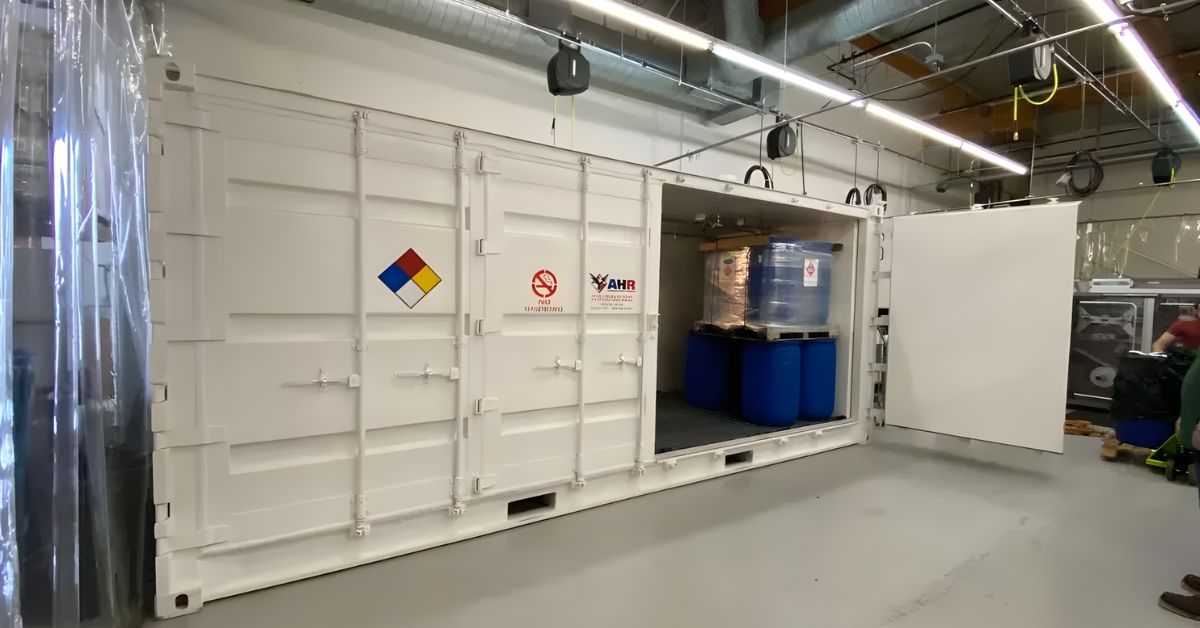
Shipping containers offer durability, portability, and security, which makes them a popular solution for storage across construction, industrial, and commercial job sites. However, without proper ventilation, these containers can trap heat, moisture, and hazardous fumes. That creates safety risks, damages stored materials, and reduces overall usability.
Understanding how to ventilate a shipping container properly helps businesses protect both people and assets while meeting safety expectations in demanding environments.
Why Ventilation Matters in Shipping Containers
Shipping containers feature airtight steel construction. That design keeps out water and pests, but it also prevents airflow. Without ventilation, heat and humidity build quickly, especially in warmer climates or enclosed job sites.
Poor airflow can lead to condensation, corrosion, mold growth, and dangerous vapor accumulation. These issues become even more critical when storing chemicals, fuels, or industrial supplies. Proper ventilation directly supports workplace safety and regulatory compliance, especially for businesses handling hazardous materials.
What Problems Occur Without Proper Ventilation?
A poorly ventilated container creates several immediate and long-term problems. Temperature swings can damage sensitive materials. Moisture buildup can ruin packaging and equipment. In more severe cases, trapped fumes can create fire or health hazards.
Teams often notice:
- Excess condensation on walls and ceilings
- Musty odors or visible mold growth
- Warped or damaged materials
- Increased internal temperatures
- Reduced air quality inside the container
Addressing ventilation early prevents these issues and extends the lifespan of both the container and its contents.
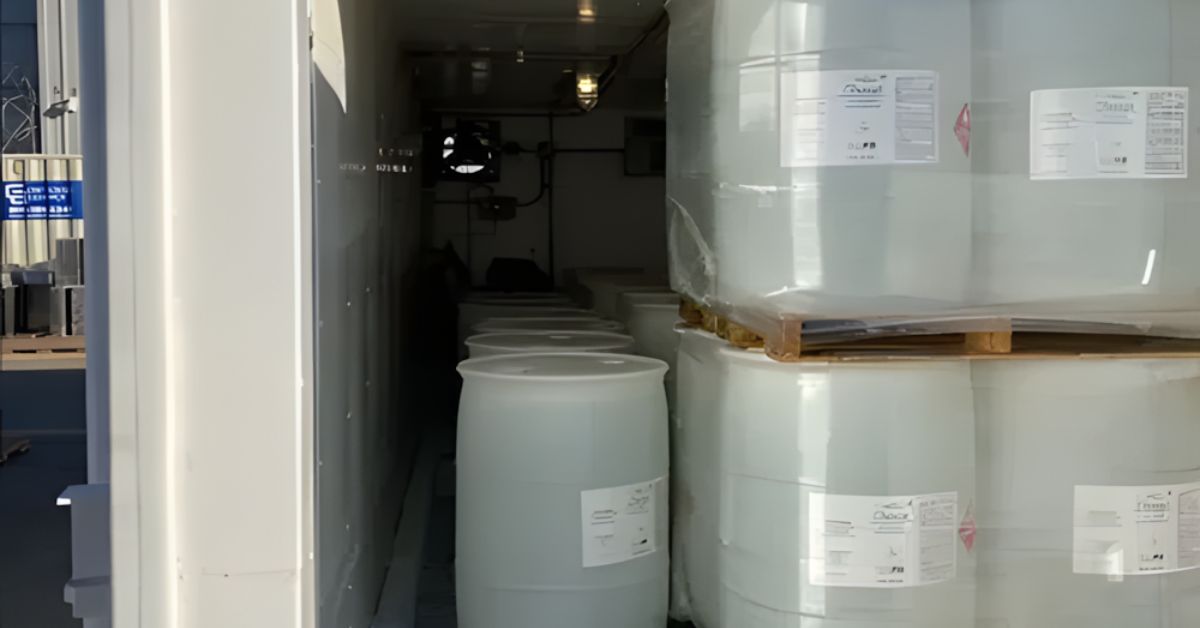
How Does Airflow Work Inside a Container?
Airflow relies on intake and exhaust points. Fresh air must enter while warm or contaminated air exits. Without both pathways, air becomes stagnant and ineffective.
Hot air naturally rises, so placing vents near the roof allows heat to escape. Cooler air enters through lower vents, creating a continuous circulation cycle. This natural airflow process forms the foundation of most container ventilation systems.
What Types of Ventilation Options Exist?
Different applications require different ventilation approaches. Some containers need basic airflow, while others demand advanced systems to handle hazardous materials.
Common ventilation options include passive vents, turbine vents, louvered vents, and powered ventilation systems. Passive systems rely on natural airflow, while powered systems use fans to force air movement.
Choosing the right option depends on what you store, where you place the container, and how often people access it.
When Should You Use Passive Ventilation?
Passive ventilation works well for general storage applications. Standard goods, tools, and non-sensitive materials benefit from simple airflow without requiring mechanical systems.
Fixed vents or louvered panels allow air to move in and out without electricity. These systems require minimal maintenance and provide a cost-effective solution for many job sites.
However, passive ventilation may not handle extreme heat, humidity, or hazardous fumes effectively. In those cases, a more robust system becomes necessary.
When Do You Need Active Ventilation Systems?
Active ventilation uses powered fans or mechanical systems to control airflow. These systems provide consistent circulation regardless of weather conditions.
Industries that store chemicals, fuels, or temperature-sensitive materials often rely on active ventilation. These systems reduce vapor buildup and maintain safer working conditions.
For example, containers used for flammable paint storage require controlled airflow to prevent vapor accumulation and reduce ignition risks. Active systems provide the level of control needed in these high-risk environments.
How Do You Properly Place Vents?
Vent placement determines how effectively air moves through the container. Poor placement limits airflow and reduces system performance.
Install intake vents near the bottom of one side and exhaust vents near the top on the opposite side. This layout encourages cross-ventilation and continuous air movement.
Avoid placing vents too close together, as that limits circulation. Spread them across the container to maximize airflow coverage. For larger containers, consider multiple vent pairs to maintain consistent air movement throughout the space.
What Role Does Climate Play in Ventilation Design?
Climate significantly impacts ventilation needs. Hot, humid regions require more aggressive airflow to combat condensation and heat buildup. Cooler climates still require ventilation but may prioritize moisture control over temperature reduction.
Sun exposure also affects internal temperatures. Containers placed in direct sunlight heat up quickly, which increases the need for effective airflow. Positioning containers in shaded areas or using reflective coatings can reduce heat load and improve ventilation performance.
Understanding environmental conditions allows businesses to select the right system and avoid underperforming setups.
How Can You Prevent Moisture Buildup?
Moisture control remains one of the most important goals of container ventilation. Condensation forms when warm air meets cooler steel surfaces. Without airflow, that moisture collects and causes damage.
Proper ventilation reduces humidity levels and prevents condensation from forming. In addition to vents, desiccants or moisture-absorbing materials can provide extra protection.
Sealing leaks and maintaining door gaskets also helps control moisture. When outside air enters in an uncontrolled way, it disrupts airflow and increases humidity levels inside the container.
What Safety Considerations Should You Follow?
Ventilation plays a direct role in workplace safety. Containers used for hazardous materials must meet strict standards to protect workers and surrounding areas.
Make sure that ventilation systems comply with relevant safety regulations and industry guidelines. Avoid modifying containers in ways that compromise structural integrity or fire resistance.
Proper ventilation also reduces exposure to harmful vapors, which protects workers during loading, unloading, and inspection activities. Businesses that prioritize ventilation reduce risk and maintain safer job site conditions.
How Do You Maintain a Ventilation System?
Even the best ventilation system requires regular maintenance. Dust, debris, and environmental factors can block vents and reduce airflow over time.
Inspect vents and fans periodically to ensure proper operation. Clean any obstructions and check for signs of corrosion or damage. For powered systems, verify that electrical components function correctly and replace worn parts as needed.
Routine maintenance keeps airflow consistent and prevents small issues from becoming major problems.
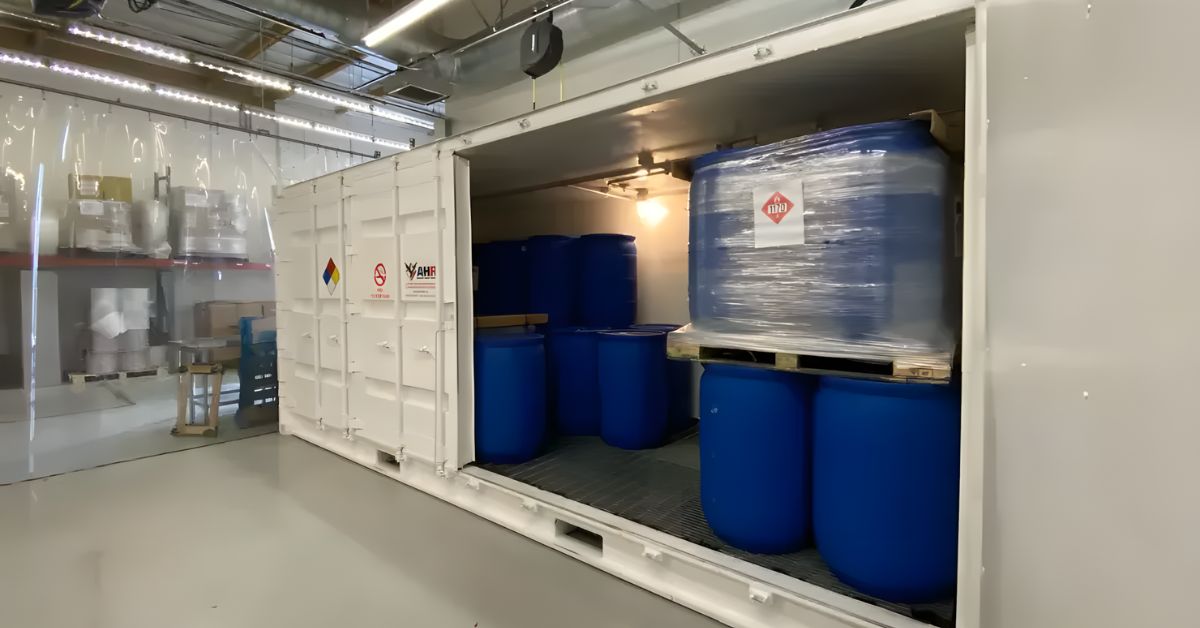
Can You Retrofit an Existing Container?
Many businesses already own or rent containers that lack proper ventilation. Retrofitting offers a practical solution without requiring a full replacement.
You can install vents, fans, and airflow systems into existing containers with minimal disruption. Professional modifications ensure that the container maintains structural integrity while improving airflow.
Retrofitting allows companies to adapt containers for new uses, including hazardous material storage, without investing in entirely new units.
How Do You Choose the Right Ventilation Strategy?
Selecting the right ventilation approach depends on several factors. Consider what materials you plan to store, how often workers access the container, and the environmental conditions at the site.
Simple storage needs may only require passive vents, while industrial applications demand active systems. Larger operations often combine both methods to create a balanced and reliable airflow system.
Businesses that evaluate their needs carefully can implement ventilation solutions that improve safety, protect materials, and enhance operational efficiency.
Why Ventilation Supports Long-Term Container Performance
Proper ventilation does more than improve immediate conditions. It extends the life of the container and protects valuable assets inside. Reduced moisture prevents rust and corrosion, while controlled temperatures minimize material degradation.
For companies that rely on shipping containers for storage or operations, ventilation becomes a key part of long-term asset management. It ensures consistent performance and reduces maintenance costs over time.
Proper Container Ventilation
Shipping containers offer practical storage solutions across many industries, but they require thoughtful ventilation to function safely and effectively. By understanding airflow principles, choosing the right system, and maintaining equipment properly, businesses can avoid common problems and create safer environments.
Ventilation supports compliance, protects materials, and improves working conditions. With the right approach, a standard shipping container can perform reliably in even the most demanding applications.