
Flammable liquids, combustible materials, paints, solvents, fuels, and other hazardous substances require proper storage to protect workers, facilities, and the environment. Choosing the right flammable storage building plays a critical role in maintaining safety, meeting regulatory requirements, and supporting efficient operations.
Not all storage buildings offer the same level of protection. Different industries face different storage challenges, and the right solution depends on the materials involved, site conditions, capacity requirements, and compliance standards. Understanding the key factors that influence flammable storage building selection can help businesses make informed decisions and avoid costly mistakes.
Why Flammable Storage Buildings Matter
Flammable materials present unique risks that standard storage structures cannot adequately address. Vapors can accumulate, ignition sources can trigger fires, and improper containment can lead to environmental contamination.
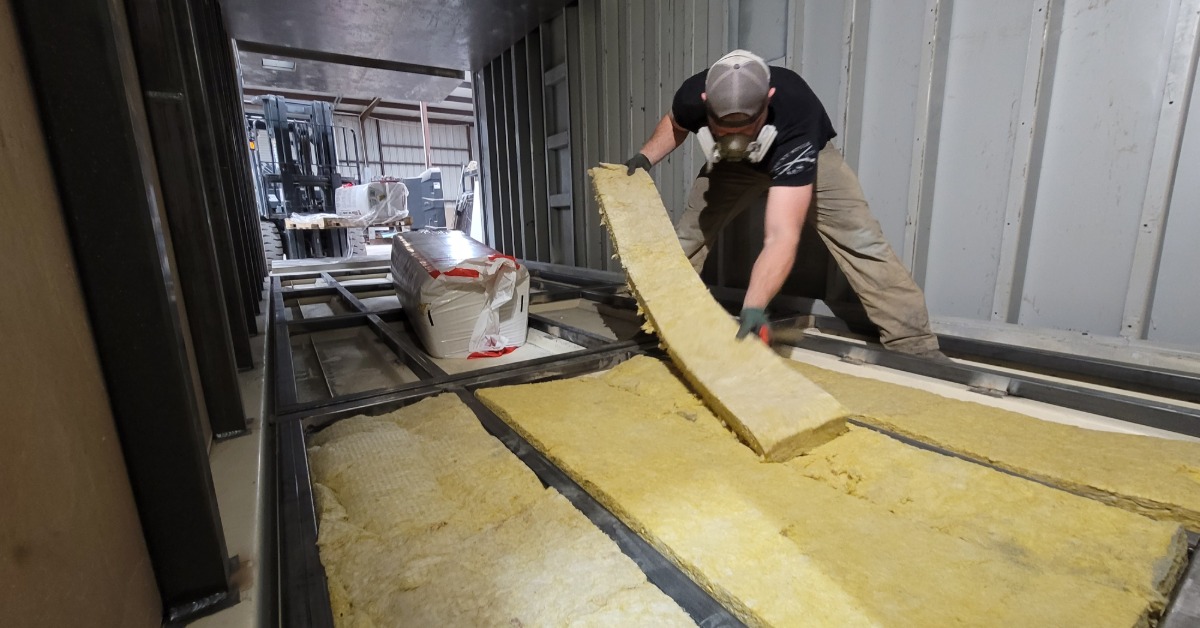
A properly designed flammable storage building helps reduce these risks by incorporating features such as fire-rated construction, ventilation systems, spill containment, and specialized electrical components. These features work together to create a safer environment for personnel and assets while supporting regulatory compliance.
Businesses that invest in appropriate storage solutions often experience fewer safety concerns, improved operational efficiency, and greater confidence during inspections.
Start With the Materials You Need to Store
The first step involves identifying exactly what materials the building will contain. Different hazardous substances require different storage conditions.
For example, gasoline, diesel fuel, paints, solvents, adhesives, and industrial chemicals each present distinct hazards. Some materials produce highly flammable vapors, while others require temperature control or segregation from incompatible substances.
Before selecting a building, review Safety Data Sheets (SDS) for all materials and determine:
- Flammability classifications
- Storage volume requirements
- Temperature sensitivities
- Ventilation needs
- Compatibility concerns
- Spill containment requirements
A clear understanding of these factors helps ensure the selected building matches operational needs.
Understand Applicable Regulations
Regulatory compliance remains one of the most important considerations when selecting a flammable storage building.
Several organizations establish standards for hazardous material storage, including OSHA, EPA, NFPA, and local fire authorities. Requirements often vary based on material type, quantity, and facility location.
Many businesses encounter challenges because regulations change depending on storage volumes and operational activities. A storage building that works for one application may not satisfy requirements for another.
Working with experienced hazmat storage providers helps organizations navigate these regulations and select compliant solutions from the beginning.
Determine the Required Storage Capacity
Storage capacity affects nearly every aspect of building selection.
Companies should evaluate both current and future storage needs before choosing a building size. Underestimating capacity often creates operational bottlenecks, while oversizing can lead to unnecessary costs.
Consider factors such as:
- Current inventory levels
- Seasonal fluctuations
- Project growth
- Emergency reserve requirements
- Future expansion plans
Many organizations find that planning for moderate growth helps avoid the need for premature upgrades or replacements.
Evaluate Fire Resistance Requirements
Fire resistance represents a major differentiator among flammable storage buildings.
Some applications require non-fire-rated buildings, while others demand structures capable of providing several hours of fire protection. Fire-rated buildings help slow the spread of flames and provide additional time for emergency response.
The required fire rating depends on several factors, including material type, quantity, site location, and regulatory requirements.
Understanding fire protection needs before making a purchase or rental decision helps ensure the building aligns with both safety objectives and compliance standards.
Consider Ventilation System Design
Ventilation serves as a critical safety feature in flammable storage environments.
Many flammable materials release vapors that can accumulate inside enclosed spaces. Without proper ventilation, vapor concentrations may reach dangerous levels.
Effective ventilation systems help:
- Reduce vapor buildup
- Improve air circulation
- Support worker safety
- Minimize ignition risks
- Enhance regulatory compliance
Building designs may incorporate passive ventilation, powered exhaust systems, or specialized hazardous-location ventilation equipment depending on the application.
Businesses should carefully evaluate ventilation specifications to ensure they match the hazards associated with stored materials.
Look for Integrated Spill Containment
Secondary containment helps protect the environment and supports compliance efforts.
Leaks and spills can occur despite careful handling procedures. A flammable storage building with integrated containment systems helps prevent hazardous substances from escaping into surrounding soil, stormwater systems, or work areas.
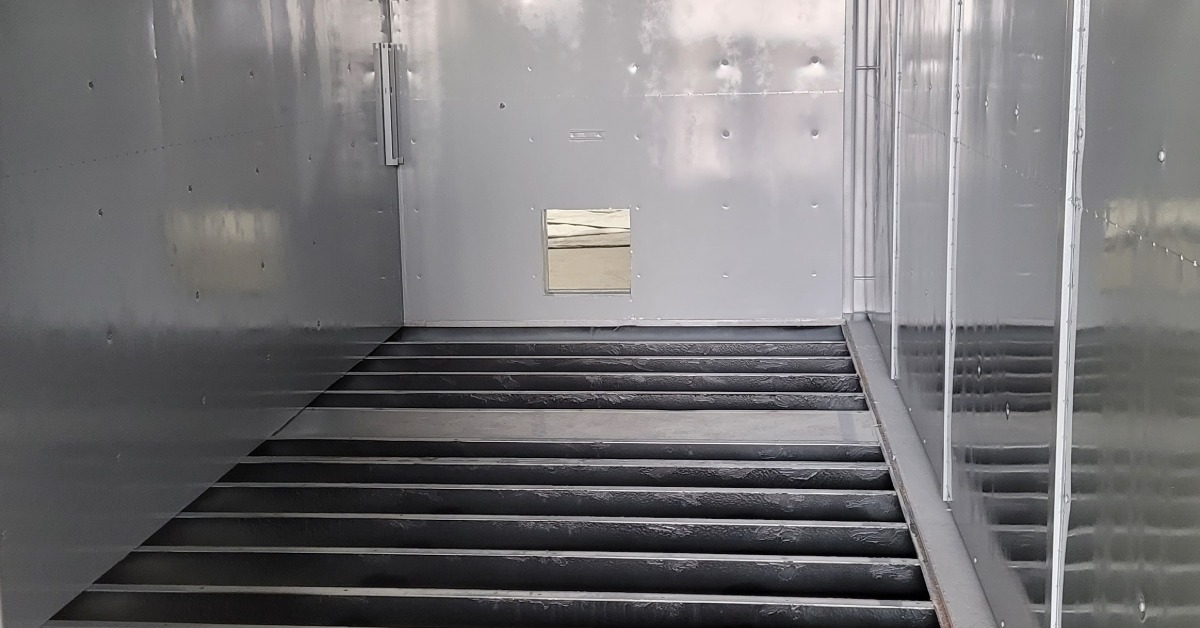
Containment systems typically include reinforced floors, containment sumps, or spill basins designed to capture released liquids.
Organizations should verify that containment capacity satisfies applicable regulations and operational requirements before selecting a storage solution.
Assess Electrical Safety Features
Electrical systems require special consideration in flammable storage environments.
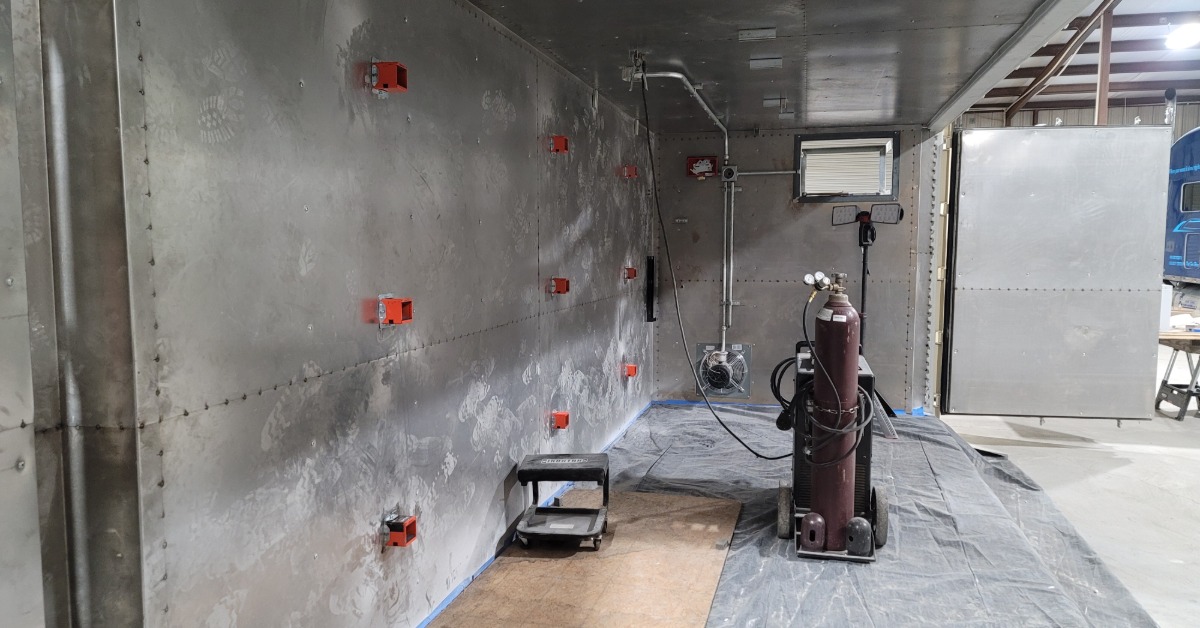
Standard electrical components can generate sparks that may ignite flammable vapors. Hazardous locations often require specialized electrical equipment designed to reduce ignition risks.
Facilities storing highly volatile materials should pay particular attention to electrical classifications and compliance standards.
Consider Environmental Conditions
The operating environment significantly impacts storage building performance.
Facilities located in coastal regions, deserts, shipyards, or areas with extreme temperatures often face unique challenges. Weather exposure, humidity, corrosion, wind loads, and temperature fluctuations can affect building durability and material stability.
Businesses should evaluate site-specific conditions before selecting a structure.
For example, facilities supporting electric vehicle battery storage may require specialized environmental controls to maintain safe operating temperatures and reduce thermal risks associated with battery systems.
Choosing a building designed for local conditions helps maximize long-term reliability and performance.
Determine Accessibility Requirements
Efficient access improves productivity and safety.
Storage buildings come with various door configurations, including single-door, double-door, and open-side designs. The right configuration depends on how personnel move materials in and out of the building.
Questions to consider include:
- Will forklifts access the building?
- Do workers require walk-in access?
- How frequently will materials move?
- What equipment requires storage?
Selecting the appropriate access design can streamline operations while reducing handling risks.
Decide Between Renting and Purchasing
Many organizations benefit from evaluating both rental and purchase options.
Rental solutions often work well for:
- Temporary projects
- Construction sites
- Emergency response operations
- Seasonal demand increases
- Facility expansions
Purchasing may make sense for long-term applications with stable storage requirements.
Companies should evaluate project timelines, budget constraints, maintenance responsibilities, and operational flexibility when comparing these options.
For many industrial operations, rental programs provide access to compliant storage solutions without significant upfront capital expenditures.
Review Construction Quality and Durability
Not all storage buildings deliver the same level of durability.
Construction quality affects safety, longevity, maintenance requirements, and overall value. High-quality buildings typically feature robust steel construction, corrosion-resistant coatings, reinforced flooring systems, and durable weatherproofing components.
When evaluating options, consider:
- Structural integrity
- Material quality
- Corrosion resistance
- Roof construction
- Door durability
- Long-term maintenance needs
A well-constructed building often delivers lower lifecycle costs and greater reliability over time.
Verify Security Features
Security plays an important role in hazardous material storage.
Unauthorized access can create safety risks, compliance issues, and liability concerns. Effective security measures help protect both stored materials and facility personnel.
Common security features include lockable doors, reinforced entry points, controlled access systems, and perimeter protection measures.
Organizations should align security requirements with the sensitivity of stored materials and site-specific risk factors.
Final Thoughts
Selecting the right flammable storage building requires careful evaluation of materials, regulations, capacity needs, safety features, and operational goals. The best solution balances compliance, functionality, and long-term value while supporting a safe work environment.
By assessing fire resistance, ventilation, spill containment, electrical systems, accessibility, environmental conditions, and security requirements, businesses can identify storage solutions that meet both current and future needs. Whether supporting construction projects, industrial operations, manufacturing facilities, shipyards, or hazardous material storage programs, the right flammable storage building provides a critical foundation for safe and compliant operations.