
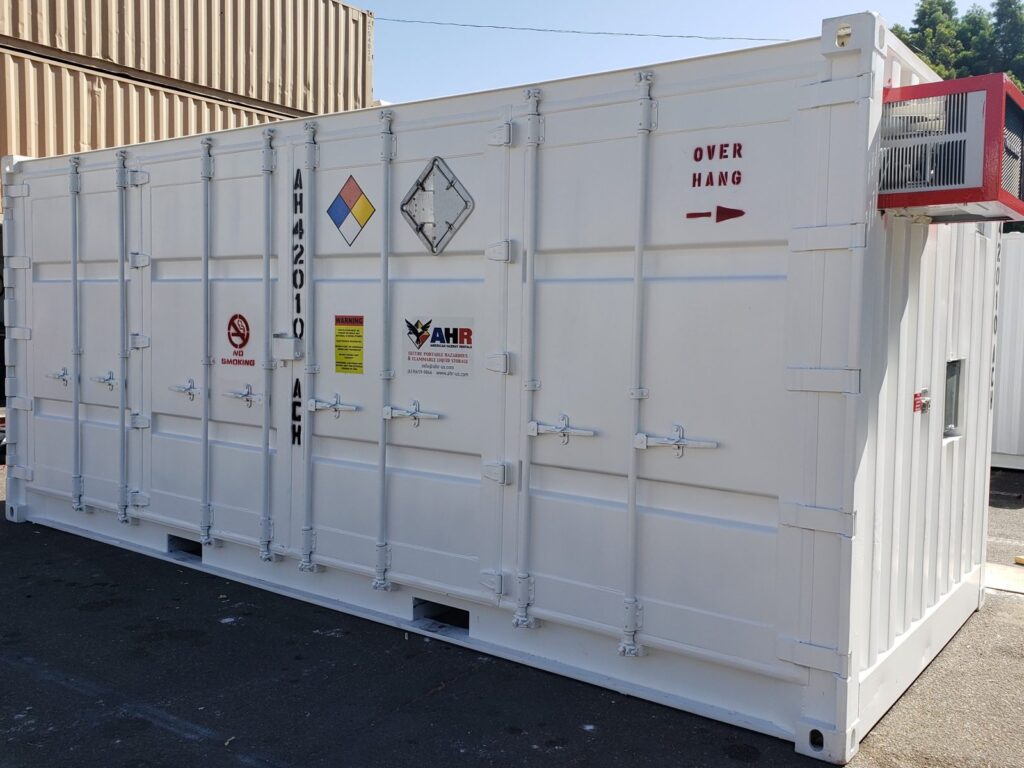
Container security plays a major role in shipping, construction, manufacturing, military operations, and hazardous material storage. Businesses rely on containers to protect expensive equipment, chemicals, tools, inventory, and sensitive materials from theft, weather exposure, and unauthorized access. The right locking mechanism helps companies maintain safety standards while reducing operational risks.
Many industries now use containers as permanent or semi-permanent storage solutions instead of temporary transport units. Because of that shift, locking systems have evolved far beyond traditional padlocks. Modern container locking mechanisms offer stronger protection, better access control, and improved resistance against cutting, prying, and tampering.
Understanding the different types of container locking systems helps businesses choose the right option for their environment, security requirements, and operational needs.
Why Container Locks Matter
Container locks do more than secure doors. They help companies protect assets, maintain compliance standards, and reduce downtime caused by theft or vandalism.
Industrial facilities, shipyards, construction sites, and hazmat storage operations often store valuable or regulated materials inside containers. A weak locking system can expose businesses to major financial losses and safety risks.
Strong locking systems also improve accountability. Many facilities limit access to authorized personnel only, especially when containers hold hazardous materials, fuel, chemicals, or expensive equipment.
Businesses that use rental storage units or specialized containment systems often require higher-security locking mechanisms because containers may remain onsite for long periods.
Standard Container Door Locking Bars
Most shipping containers come equipped with vertical locking bars mounted directly onto the doors. These steel bars rotate into locking cams that secure the doors at the top and bottom.
This design creates several advantages:
- Strong structural support
- Reliable door compression
- Resistance against forced entry
- Long-term durability in outdoor environments
The locking bars themselves usually do not provide complete security. Operators typically pair them with additional locking devices such as padlocks or lock boxes.
Standard locking bars work well for basic transportation and low-risk storage applications. However, businesses that store valuable assets often require additional protection.
Padlocks for Shipping Containers
Padlocks remain one of the most common container locking solutions because they offer affordability and flexibility.
Heavy-duty industrial padlocks typically feature hardened steel shackles and weather-resistant bodies. Many container owners use padlocks alongside lock boxes or shrouds that shield the lock from bolt cutters.
Not all padlocks provide the same level of protection. Basic consumer-grade models often fail in industrial settings because they corrode quickly or break under force.
Lock Boxes and Lock Shrouds
A lock box surrounds and protects a padlock from tampering. Many shipping container owners install welded steel lock boxes directly over the locking area.
Without a lock box, thieves can often cut exposed padlock shackles with bolt cutters or power tools. A lock box eliminates easy access to the shackle, making forced entry far more difficult.
Lock shrouds provide similar protection by covering vulnerable lock components.
These systems work especially well in remote environments where containers remain unattended overnight or during weekends. Construction companies frequently use lock boxes because jobsites often contain expensive equipment and tools.
Hazmat storage facilities also rely on lock-protected systems to help restrict unauthorized access.
Hidden Shackle Locks
Hidden shackle locks eliminate exposed lock components entirely. Unlike traditional padlocks, these locking systems conceal the shackle inside the lock body.
Because thieves cannot access the shackle, cutting attacks become much harder.
Hidden shackle locks usually feature:
- Hardened steel construction
- High-security key cylinders
- Anti-pry protection
- Weather-resistant coatings
Many industrial operations choose hidden shackle systems for long-term container storage because they combine durability with strong physical security.
Facilities that store hazardous materials or sensitive equipment often prefer hidden shackle locks due to their enhanced resistance against tampering.
Crossbar Locks for Extra Reinforcement
Crossbar locks add another layer of physical security to container doors. These systems place a heavy steel bar horizontally across both container doors.
The crossbar prevents the doors from opening even if someone compromises the original locking mechanism.
Crossbar systems work particularly well for containers located in high-crime areas or isolated locations.
Some businesses install removable crossbars, while others choose permanent welded systems for maximum protection.
Crossbar locks also help stabilize container doors during transportation or rough environmental conditions.
Electronic and Smart Locking Systems
Technology continues to reshape container security. Electronic locking systems now allow businesses to control access remotely and track entry activity in real time.
These systems eliminate the need for physical keys, which reduces the risk of lost or duplicated keys.
Companies that manage multiple containers across several locations often benefit from centralized electronic access management.
Electronic locks also improve accountability because administrators can monitor who accessed a container and when the entry occurred.
Some advanced systems integrate directly into broader site security platforms.
Keyed Locking Mechanisms
Traditional keyed locks remain widely used across industrial and commercial applications.
These systems rely on physical keys to control access. Businesses often choose keyed locks because they provide straightforward operation without requiring batteries, software, or network connectivity.
Master key systems allow supervisors or facility managers to access multiple containers using one key while limiting employee access to specific units.
Keyed systems still require strong lock hardware to maintain adequate protection. Weak cylinders or low-grade materials can compromise the entire system.
Many companies pair keyed locks with additional physical barriers like lock boxes or crossbars for enhanced security.
Combination Locks for Shared Access
Combination locks remove the need for physical keys while maintaining relatively simple operation.
These locks work well when multiple employees need regular container access. Instead of distributing keys, managers can share combination codes with authorized personnel.
Combination systems reduce problems associated with lost keys, rekeying expenses, and unauthorized duplication.
However, businesses should update access codes regularly to maintain security. Shared combinations can become vulnerabilities if former employees or subcontractors still know the code.
Industrial-grade combination locks typically perform better in harsh outdoor environments than low-cost consumer versions.
Biometric Container Locks
Biometric locking systems represent one of the most advanced forms of container access control.
These systems use fingerprint scanning, facial recognition, or retinal scanning to verify authorized users.
Biometric locks offer several advantages:
- Extremely controlled access
- No physical keys
- No shared access codes
- Detailed access tracking
- Reduced risk of unauthorized duplication
Industries with strict compliance standards often choose biometric systems for sensitive storage operations.
Military facilities, research operations, pharmaceutical companies, and hazardous material storage providers frequently use biometric security for high-value or regulated assets.
Biometric systems continue to become more affordable and practical for commercial applications.
Internal Locking Systems
Some containers include internal locking systems mounted inside the container itself. These mechanisms create another barrier against forced entry because attackers cannot access the locking hardware externally.
Internal locking systems often pair with external security features to create layered protection.
Layered security significantly improves protection because intruders must defeat multiple locking methods instead of only one external device.
Choosing the Right Locking Mechanism
Construction sites may prioritize rugged physical locks that resist cutting and weather exposure. Industrial facilities may prefer electronic access systems with tracking features. Hazardous material storage operations often require layered security combined with restricted access controls.
Companies using custom shipping containers may also require specialized locking systems designed around unique door configurations, ventilation systems, or modified storage layouts.
No single locking system fits every application. Many organizations combine multiple mechanisms to strengthen security.
Container Locking Mechanisms
Container locking technology continues to evolve as businesses demand stronger security, better access control, and improved operational efficiency.
Traditional padlocks still serve many applications effectively, but advanced locking systems now provide far greater protection against theft and tampering. Electronic controls, biometric systems, reinforced lock housings, and layered security strategies help companies secure valuable assets in a wide range of environments.
Businesses should evaluate both physical durability and access management needs when selecting a locking mechanism. The right solution protects materials, supports compliance efforts, and improves overall site security.