
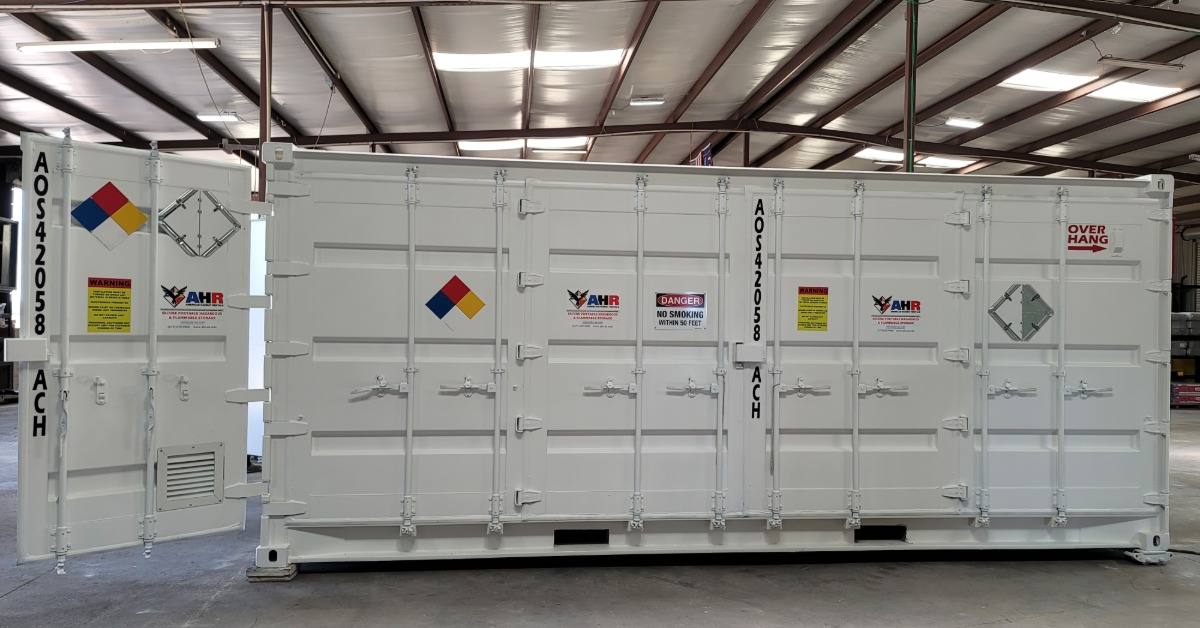
Damage control lockers play a critical role in emergency preparedness across industrial facilities, shipyards, military installations, construction sites, and manufacturing plants. These specialized storage units keep firefighting equipment, spill response materials, personal protective equipment (PPE), and emergency supplies organized and accessible when every second matters.
Organizations often face an important decision when selecting a damage control locker: Should they choose a portable unit or invest in a built-in installation? Both options offer valuable benefits, but each serves different operational needs. Understanding their differences helps facility managers, safety professionals, and project planners make informed decisions that support safety, compliance, and efficiency.
What Is a Damage Control Locker?
A damage control locker stores emergency response equipment in a centralized, protected location. Depending on the application, the locker may contain:
- Fire extinguishers
- Spill containment supplies
- Absorbent materials
- Protective clothing
- Respirators
- Emergency lighting
- First aid equipment
- Tools for incident response
Damage control lockers help personnel locate essential equipment quickly during emergencies. They also protect supplies from weather, unauthorized access, and damage while keeping equipment organized for inspections and routine maintenance.
Many industries rely on damage control lockers to support emergency preparedness programs and comply with workplace safety requirements.
What Makes a Portable Damage Control Locker Different?
Portable damage control lockers provide mobility and flexibility. Manufacturers design these units so organizations can relocate them whenever operational needs change.
Construction projects, temporary job sites, industrial shutdowns, and military operations often benefit from portable lockers because the work environment changes frequently.
Portable units typically feature heavy-duty steel construction, secure locking systems, and weather-resistant finishes. Many models also include forklift pockets or lifting points that simplify transportation around a facility or between job sites.
Organizations that rent equipment or manage temporary projects often appreciate the ability to move emergency storage wherever workers need it most.
What Defines a Built-In Damage Control Locker?
Built-in damage control lockers become permanent components of a facility or vessel. Contractors install these units into walls, designated safety stations, or dedicated storage rooms during construction or renovation projects.
Because they remain in one location, built-in lockers create consistent emergency response points throughout a facility. Employees quickly learn where equipment remains available, reducing confusion during emergencies.
Permanent installations also allow organizations to customize storage layouts based on their operational needs and available space.
Facilities with stable operations and long-term safety planning often choose built-in lockers because they become integrated parts of the workplace infrastructure.
When Does a Portable Locker Make the Most Sense?
Portable damage control lockers excel in environments where flexibility matters.
Construction companies regularly move crews between projects. Shipyards often reconfigure work areas as vessels progress through repairs. Industrial facilities may establish temporary maintenance zones during outages or expansions.
Portable lockers allow safety equipment to move alongside personnel instead of forcing workers to travel long distances during an emergency.
Organizations also benefit from portable lockers when:
- Projects have defined completion dates.
- Facility layouts change frequently.
- Equipment rentals support temporary operations.
- Emergency response locations require adjustment.
- Multiple job sites share safety resources.
The ability to relocate storage quickly often improves emergency readiness without requiring permanent construction.
Why Do Many Permanent Facilities Choose Built-In Lockers?
Facilities with consistent layouts usually prioritize reliability and predictability. Built-in damage control lockers create fixed emergency equipment locations that employees recognize immediately.
Manufacturing plants, refineries, chemical processing facilities, and warehouses often maintain stable operations for many years. Permanent installations support ongoing employee training because emergency equipment never changes locations.
Built-in lockers also integrate well with facility emergency response plans, evacuation maps, and safety documentation.
Organizations that expect minimal operational changes frequently view permanent installations as long-term investments.
How Does Installation Compare Between Both Options?
Installation requirements differ significantly between portable and built-in damage control lockers.
Portable lockers require minimal preparation. Organizations simply deliver the unit, position it in an approved location, stock it with equipment, and begin using it. If operational needs change later, personnel can relocate the locker without significant disruption.
Built-in lockers require considerably more planning. Installation often involves structural modifications, utility coordination, permitting considerations, and construction scheduling. These additional steps increase installation time but create a permanent emergency storage solution.
Organizations planning new facilities often incorporate built-in lockers during construction because installation becomes simpler before operations begin.
Which Option Offers Greater Flexibility?
Portable damage control lockers clearly lead in flexibility.
Business operations rarely remain static forever. Companies expand facilities, relocate departments, launch temporary projects, or support remote operations. Portable storage adapts to these changing requirements without requiring new construction.
Many organizations also use portable units during facility renovations. Rather than leaving employees without nearby emergency equipment, safety managers simply relocate the locker until construction finishes.
Some companies even deploy portable lockers during seasonal projects or emergency response activities before returning them to permanent storage afterward.
Flexibility becomes especially valuable when organizations prioritize operational efficiency alongside workplace safety.
How Do Maintenance Requirements Compare?
Both locker types require regular inspections, but maintenance responsibilities differ slightly.
Portable damage control lockers require routine inspections after relocation to ensure equipment remains properly secured and undamaged during transport. Personnel should also verify locking mechanisms, weather seals, and structural integrity after each move.
Built-in lockers eliminate transportation-related concerns but still require scheduled inspections for cleanliness, accessibility, inventory accuracy, and equipment condition.
Regardless of locker type, organizations should inspect emergency supplies regularly and replace expired or damaged equipment immediately.
Consistent maintenance supports emergency readiness while helping organizations meet internal safety standards and regulatory expectations.
How Does Security Factor Into the Decision?
Security remains important for both portable and built-in damage control lockers.
Most modern lockers include durable locking systems that prevent unauthorized access while allowing rapid entry during emergencies.
Built-in lockers naturally provide additional security because personnel cannot easily remove or relocate the entire unit.
Portable lockers compensate through reinforced construction and secure placement strategies. Organizations often position portable lockers within controlled work areas or secure them to designated locations when continuous mobility remains unnecessary.
Selecting the appropriate security features depends largely on the facility’s operational environment and access control procedures.
What Role Do Storage Capacity and Organization Play?
Storage requirements vary considerably between industries.
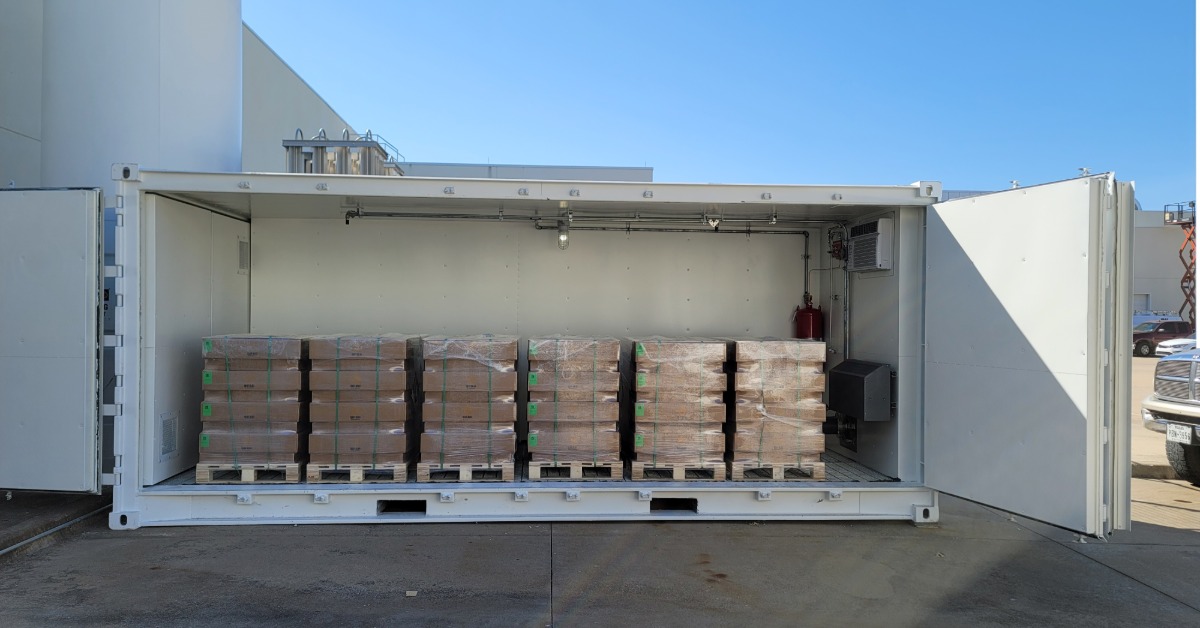
Some organizations only need space for spill kits and fire extinguishers. Others require extensive inventories that include breathing apparatus, protective clothing, hoses, emergency tools, and specialized response equipment.
Both portable and built-in damage control lockers come in multiple sizes and interior configurations.
Adjustable shelving, equipment brackets, storage bins, and dedicated compartments help maintain organization regardless of locker style.
Organizations should evaluate their complete emergency equipment inventory before selecting locker dimensions. Future growth also deserves consideration because emergency preparedness programs often expand over time.
Can Portable Lockers Support Specialized Applications?
Portable damage control lockers support many specialized environments beyond traditional construction sites.
Shipyards frequently reposition emergency equipment as repair work progresses throughout large vessels. Industrial maintenance contractors relocate safety equipment during plant turnarounds. Utility companies transport emergency supplies to remote infrastructure projects.
Some organizations also incorporate modified shipping containers into larger emergency preparedness programs when operations require expanded storage capacity for hazardous materials, spill response equipment, or specialized safety supplies. Portable damage control lockers complement these larger storage solutions by keeping frequently used emergency equipment immediately accessible where personnel perform daily work.
This combination supports both operational efficiency and emergency preparedness across complex industrial environments.
Which Option Delivers Better Long-Term Value?
The answer depends entirely on operational needs.
Organizations with stable facilities often realize greater long-term value from built-in damage control lockers because permanent installations support consistent safety programs over many years.
Businesses that frequently relocate equipment, manage temporary projects, or support multiple job sites usually gain more value from portable lockers because they eliminate the need for repeated construction or additional permanent installations.
Rather than focusing solely on upfront costs, decision-makers should evaluate lifecycle value by considering operational flexibility, installation expenses, maintenance requirements, facility changes, and future project demands.
The most effective solution aligns with both current operations and long-term business objectives.
Choosing the Right Damage Control Locker for Your Facility
Portable and built-in damage control lockers each strengthen workplace emergency preparedness when matched with the right application. Portable units offer exceptional flexibility for changing job sites, temporary projects, and evolving operations. Built-in lockers provide dependable, permanent emergency equipment locations that support long-term facility safety programs.
Before making a decision, evaluate how your facility operates today and how it may change in the future. Consider project duration, facility layout, equipment inventory, employee access, maintenance expectations, and emergency response planning.
Selecting the right damage control locker helps protect personnel, improve emergency readiness, and support safer operations across virtually any industrial environment.