
How Lithium Battery Storage Differs From Other Hazmat
Lithium batteries power everything from handheld tools and electric vehicles to backup power systems and industrial equipment. As their use continues to expand, businesses face new challenges when storing them safely. While lithium batteries fall under the broader category of hazardous materials, they create risks that differ significantly from flammable liquids, corrosives, compressed gases, and other regulated substances.
Understanding those differences helps companies choose the right storage solution, reduce workplace hazards, and comply with applicable safety standards. Organizations that treat lithium batteries like every other hazardous material often overlook the unique hazards that make these energy storage devices more difficult to manage.
Why Lithium Batteries Require Special Storage
Most hazardous materials create risks because of their chemical composition or physical properties. Flammable liquids ignite easily. Corrosive chemicals damage surfaces and living tissue. Toxic materials expose workers to dangerous substances.
Lithium batteries introduce another concern. They store large amounts of electrical energy even when they sit unused. Physical damage, manufacturing defects, overcharging, or excessive heat can trigger failures that release that stored energy rapidly.
Unlike many hazardous chemicals, lithium batteries can generate heat internally without exposure to an outside ignition source. That characteristic makes them different from many traditional hazmat products.
What Makes Thermal Runaway Different
One of the biggest distinctions between lithium batteries and other hazardous materials involves thermal runaway.
Thermal runaway occurs when one battery cell overheats and creates a chain reaction inside the battery pack. As temperatures continue to rise, neighboring cells begin to fail as well. The process produces intense heat, smoke, toxic gases, and sometimes fire.
Many hazardous materials require an external ignition source before combustion occurs. Lithium batteries can generate enough internal heat to sustain the reaction once thermal runaway begins.
That difference changes how facilities approach storage, monitoring, and emergency planning.
Traditional Hazmat Often Has Predictable Hazards
Many hazardous materials present risks that safety professionals understand well after decades of handling experience.
Examples include:
- Flammable liquids with known flash points
- Corrosive acids that require compatible containers
- Compressed gases stored under pressure
- Oxidizers that accelerate combustion
Safety programs for these materials typically focus on preventing spills, controlling ignition sources, maintaining ventilation, and separating incompatible chemicals.
Lithium batteries still require many of those precautions, but they also demand additional protections because their failure mechanisms differ from conventional chemicals.
Battery Fires Behave Differently
Fire represents one of the most important differences between lithium batteries and many other hazardous materials.
A flammable liquid fire usually burns the available fuel until firefighters extinguish it or the fuel supply disappears.
Lithium battery fires behave differently because damaged battery cells continue generating heat internally. Even after visible flames disappear, damaged batteries may reignite hours or even days later if sufficient heat remains trapped inside the cells.
This possibility affects emergency response planning and influences how businesses isolate damaged batteries after an incident.
Storage facilities often incorporate design features that help reduce fire spread while allowing emergency personnel to respond more effectively.
Damaged Batteries Need Separate Handling
Many hazardous materials remain stable as long as workers store them properly.
Lithium batteries require additional attention after physical damage, even when they appear normal.
Forklift impacts, dropped battery packs, punctures, swelling, or visible deformation can all indicate internal damage. A battery may not fail immediately after the damage occurs. Instead, internal defects may worsen over time before eventually leading to thermal runaway.
Because of that delayed failure potential, facilities often establish separate procedures for damaged, defective, or recalled batteries rather than storing them with new inventory.
State of Charge Matters
Another characteristic separates lithium batteries from many traditional hazardous materials.
The amount of stored electrical energy changes depending on the battery’s state of charge.
A fully charged battery generally contains more available energy than a partially charged battery. For that reason, many organizations reduce the state of charge before transporting or storing certain batteries for extended periods.
Few other hazardous materials change their hazard profile based on how much energy remains inside the product itself.
Proper battery management therefore becomes part of an overall storage strategy rather than simply selecting the right container.
Temperature Control Plays a Larger Role
Temperature affects nearly every hazardous material, but lithium batteries often require much tighter environmental control.
Excessive heat accelerates battery degradation while increasing the likelihood of failure. Extremely cold temperatures may also reduce battery performance or damage certain battery chemistries.
Facilities storing lithium batteries typically seek stable temperatures that minimize stress on the cells while avoiding conditions that increase failure risk.
That differs from many traditional hazmat storage operations, where temperature primarily protects product quality instead of reducing internal energy-related hazards.
Ventilation Requirements May Differ
Many hazardous material storage buildings include ventilation systems designed to reduce vapor accumulation from flammable liquids or chemicals.
Lithium battery storage also benefits from ventilation, although the purpose often differs.
If a battery begins failing, it may release flammable or toxic gases before visible flames appear. Proper ventilation helps reduce gas accumulation while supporting safer operating conditions.
Facility designers evaluate ventilation alongside fire protection, monitoring systems, and building layout to develop comprehensive storage solutions for battery applications.
Monitoring Becomes More Important
Many businesses inspect chemical storage periodically for leaks, corrosion, or container damage.
Lithium battery storage often benefits from more active monitoring because battery conditions can change rapidly.
Monitoring systems may include temperature sensors, smoke detection, gas detection, or other technologies that provide early warning before a developing problem escalates into a larger emergency.
Earlier detection gives facility personnel more time to isolate affected batteries and begin emergency response procedures.
Storage Layout Influences Safety
The physical arrangement of stored materials plays an important role in every hazardous material facility.
With lithium batteries, storage layout becomes especially important because thermal runaway can spread from one battery to another.
Facilities often consider:
- Separation distances between battery groups
- Isolation of damaged batteries
- Clear access for emergency responders
- Fire-resistant construction features
- Appropriate aisle spacing for inspections
These planning decisions help reduce the likelihood that a single battery failure affects a larger inventory.
Packaging Requirements Continue After Delivery
Many hazardous materials remain in their original shipping containers until workers use them.
Lithium batteries sometimes require additional handling after delivery depending on their intended use, condition, or storage duration.
Facilities may repackage damaged batteries, isolate returned products, or place batteries into specialized containers designed for higher-risk situations.
Safe packaging supports both everyday storage and transportation when batteries leave the facility for recycling, disposal, or warranty evaluation.
Specialized Storage Solutions Improve Risk Management
Because lithium batteries present unique hazards, many companies choose storage systems designed specifically for battery applications instead of relying on standard hazardous material storage alone.
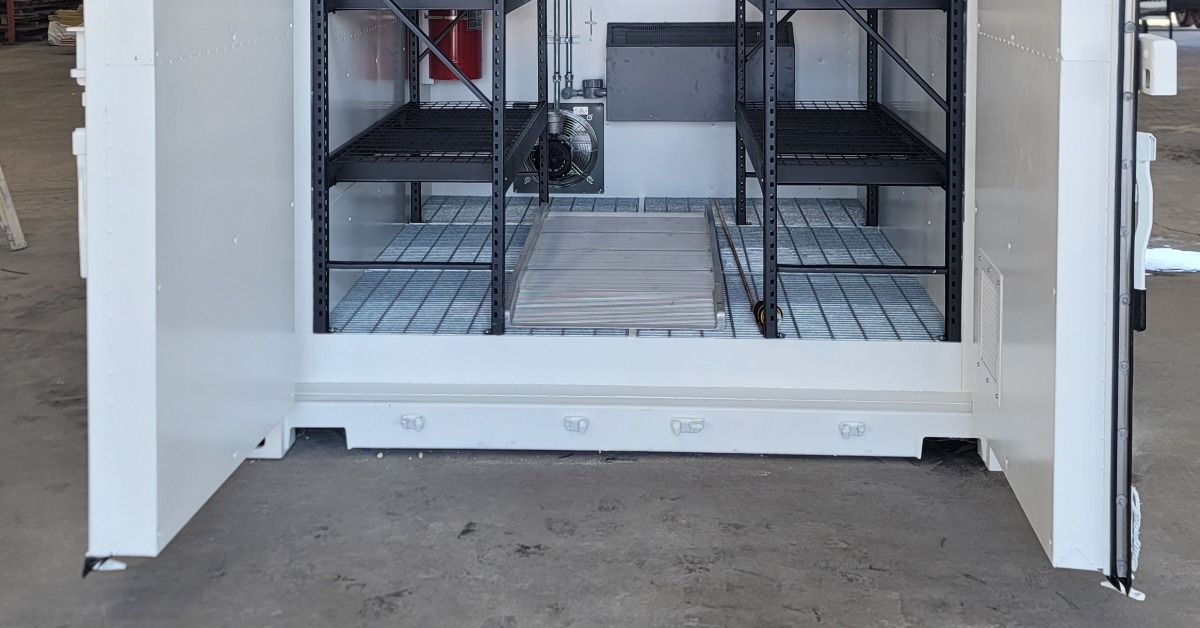
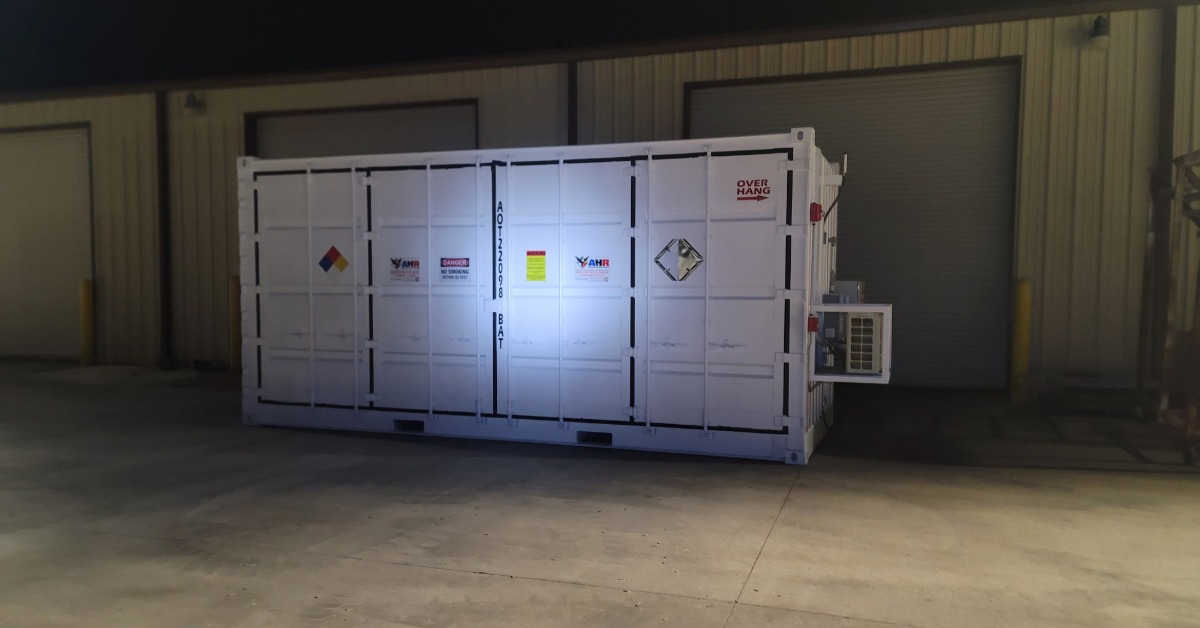
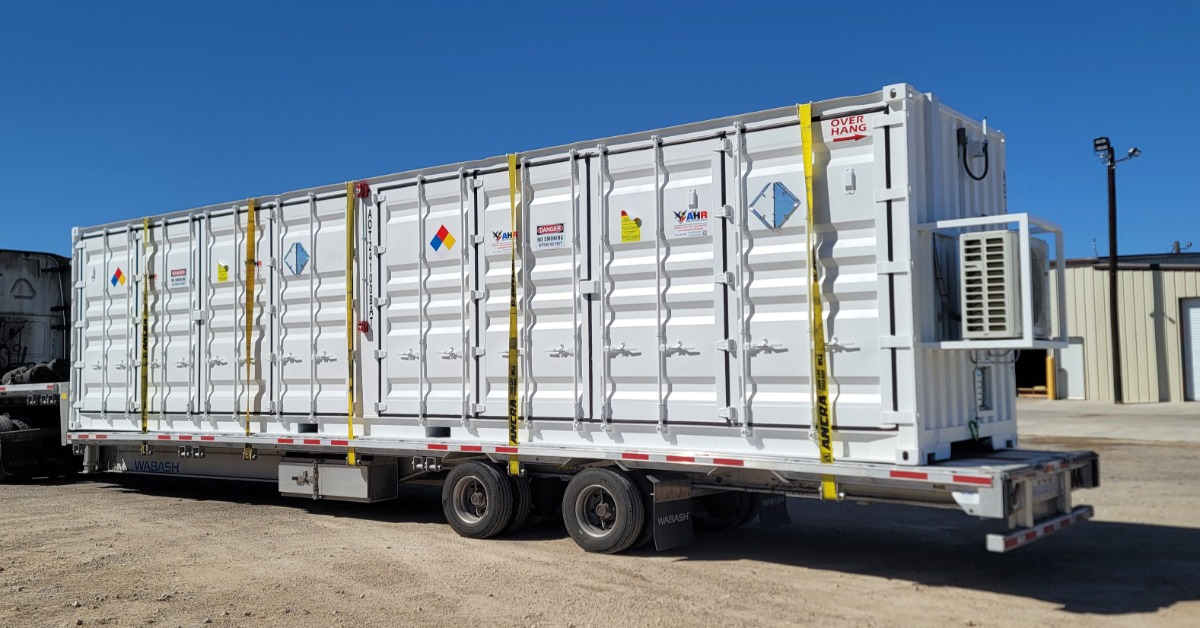
A properly designed lithium-ion battery storage building may incorporate enhanced fire resistance, ventilation, secondary containment where appropriate, environmental controls, monitoring systems, and layouts that support emergency response planning.
Selecting the appropriate storage solution depends on several factors, including battery chemistry, battery size, quantity, charging practices, and facility operations.
Organizations should evaluate their storage needs carefully rather than assuming one solution fits every battery application.
Choosing the Right Storage Strategy
Lithium batteries have become an essential part of modern industry, but they demand a different storage approach than many other hazardous materials. Their stored electrical energy, potential for thermal runaway, delayed failure after damage, and unique fire behavior distinguish them from conventional chemicals and flammable products.
Companies that understand these differences can make better decisions about storage design, employee training, facility monitoring, and emergency preparedness. Rather than applying the same procedures used for every hazardous material, businesses should evaluate the specific risks associated with lithium batteries and implement storage solutions that address those hazards directly.