
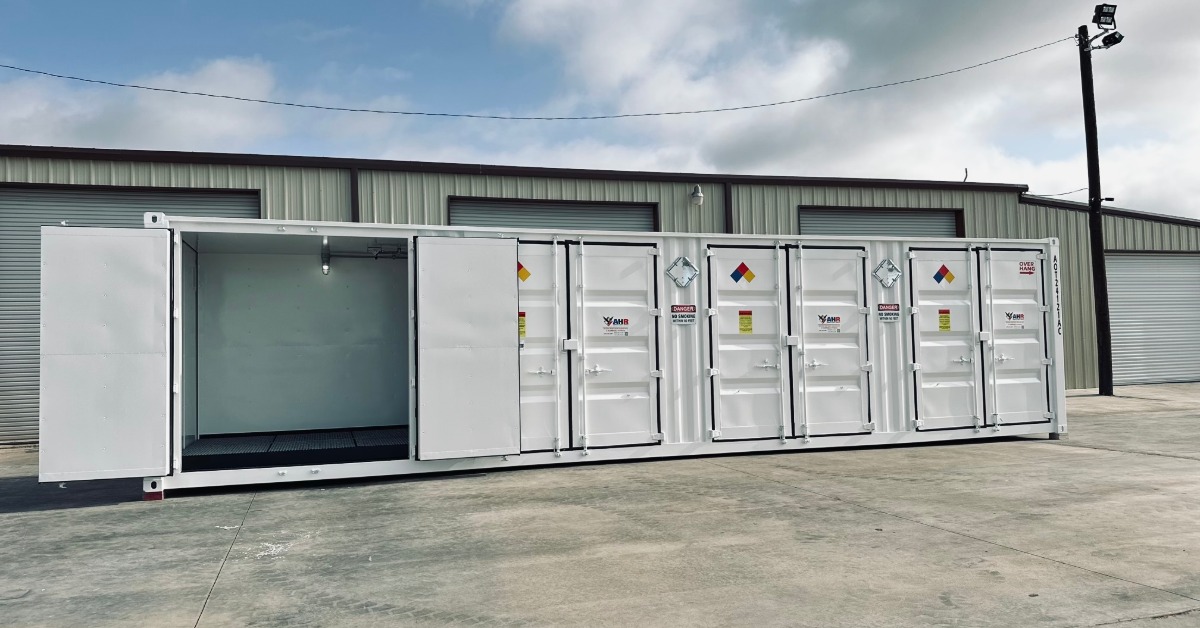
Electric vehicles continue to reshape transportation, construction, shipping, manufacturing, and energy infrastructure. As more industries adopt EV fleets and battery-powered equipment, businesses face a growing challenge: how to safely store, manage, and protect large quantities of batteries. Modular EV battery storage has emerged as one of the most practical solutions for handling these demands.
Companies across shipyards, industrial facilities, construction sites, utilities, and transportation hubs now rely on modular storage systems to improve safety, scalability, and operational efficiency. These systems support changing storage requirements while helping organizations reduce fire risks and maintain compliance with strict safety standards.
Understanding how modular EV battery storage works helps businesses make informed decisions about battery handling and long-term storage planning.
What Does Modular EV Battery Storage Mean?
Modular EV battery storage refers to a flexible storage system built from individual units or sections that work together as a larger solution. Instead of relying on one permanent structure, businesses can add, remove, or reconfigure storage modules based on operational needs.
Most modular systems use specially designed storage containers engineered for hazardous materials and battery safety. Each module may include features such as:
- Fire-rated construction
- Spill containment systems
- Ventilation equipment
- Temperature control systems
- Explosion-proof electrical components
- Monitoring and alarm systems
Organizations can scale these systems over time without replacing their entire storage setup. That flexibility makes modular storage especially valuable for industries with changing inventory levels or evolving battery technology.
Why EV Battery Storage Requires Specialized Solutions
EV batteries contain large amounts of stored energy. When damaged, overheated, improperly charged, or exposed to poor storage conditions, they can create serious hazards.
Lithium-based batteries may experience thermal runaway, which occurs when battery cells rapidly overheat and trigger fires or explosions. These incidents burn at extremely high temperatures and often require specialized suppression methods.
Standard storage buildings rarely provide adequate protection for these risks. Businesses need systems designed specifically for hazardous material management and battery containment.
Modular storage systems address these concerns through engineered safety features and controlled storage environments. Many facilities now rely on lithium ion battery storage solutions that support both operational safety and regulatory compliance.
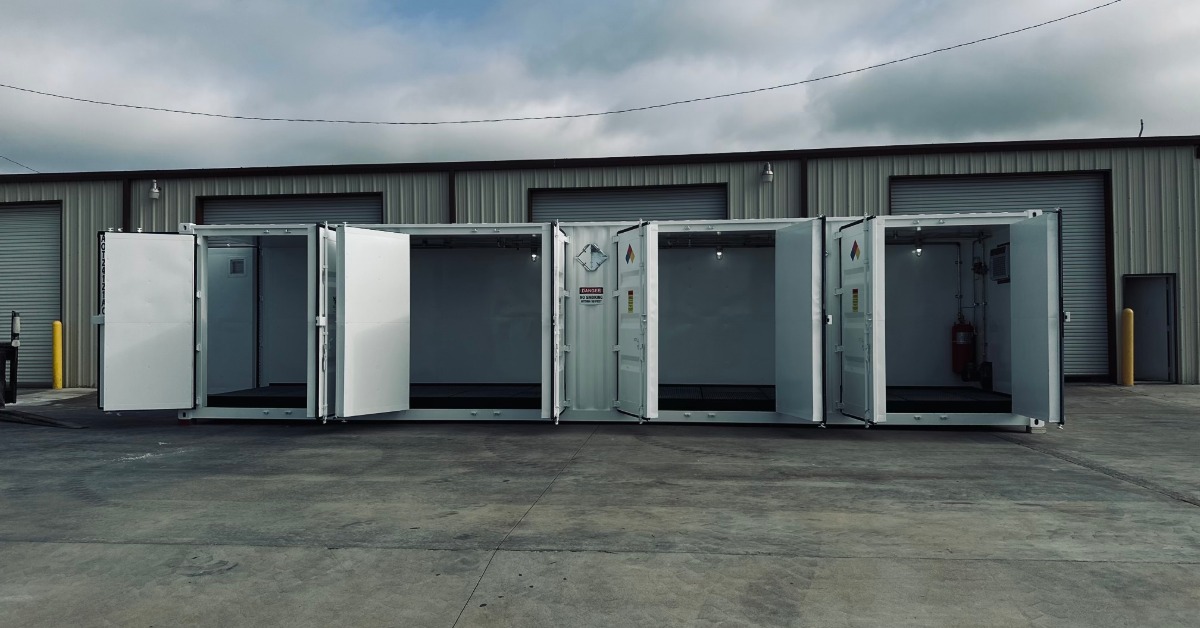
How Modular Storage Systems Improve Scalability
One of the biggest advantages of modular EV battery storage involves scalability. Battery storage needs rarely remain static. Companies often expand EV fleets, increase battery inventories, or introduce new equipment over time.
Traditional permanent buildings limit flexibility because they require major construction projects for expansion. Modular systems allow businesses to scale storage capacity incrementally.
For example, a company may begin with one storage module for damaged or inactive batteries. As operations grow, additional modules can connect to the original setup without major disruption.
This approach offers several advantages:
- Lower upfront costs
- Faster deployment
- Easier expansion planning
- Reduced downtime during upgrades
- Better adaptability for changing operations
Businesses avoid overbuilding while still preparing for future growth.
How Modular Designs Support Regulatory Compliance
Battery storage regulations continue to evolve as EV adoption increases. Companies must comply with multiple standards related to hazardous materials, fire safety, environmental protection, and worker safety.
Modular storage solutions help organizations address these requirements through purpose-built safety features and engineered compliance measures.
Depending on the application, businesses may need to consider regulations from:
- OSHA
- NFPA
- EPA
- Local fire marshals
- State environmental agencies
- Industry-specific safety programs
Many modular systems include documentation and design elements that simplify inspections and permitting processes.
Purpose-built hazardous material containers also help businesses demonstrate proactive risk management during audits or insurance reviews.
Why Portability Benefits Industrial Operations
Many industries operate in temporary or constantly changing environments. Construction sites, shipyards, energy projects, and remote industrial locations often require flexible infrastructure.
Modular EV battery storage supports mobility because units can relocate when operational needs change. Companies can deploy storage systems near active work zones without investing in permanent construction.
Portable storage systems improve efficiency by reducing transportation distances for batteries and charging equipment. Workers gain easier access to inventory while management maintains centralized oversight of hazardous materials.
Temporary projects particularly benefit from modular storage because companies can scale operations without committing to permanent facilities.
How Modular Storage Enhances Battery Organization
Battery inventory management becomes more difficult as storage volumes increase. Modular systems improve organization by allowing businesses to separate batteries according to specific criteria.
Companies may divide storage areas based on:
- Battery chemistry
- Charge levels
- Damage status
- Operational readiness
- Equipment type
- Recycling status
This organization reduces confusion and improves workplace safety. It also helps maintenance teams identify potential issues more quickly.
Dedicated modules for damaged or quarantined batteries help minimize operational risks while supporting safer inspection and disposal procedures.
Well-organized storage systems also improve workflow efficiency for large industrial operations handling hundreds or thousands of battery units.
Why Environmental Controls Matter
EV batteries perform best under stable environmental conditions. Excessive heat, cold, humidity, or moisture exposure may reduce battery lifespan or increase safety risks.
Many modular storage systems include environmental controls designed to maintain safer storage conditions year-round. Depending on the system, features may include:
- Climate control equipment
- Ventilation systems
- Humidity management
- Insulated construction
- Air quality monitoring
These controls help protect valuable battery assets while reducing the risk of degradation or instability.
Companies operating in extreme climates often rely heavily on climate-controlled modular systems to preserve battery performance and maintain safe storage conditions.
How Modular Storage Supports Emergency Response Planning
Emergency response planning plays a major role in hazardous material storage. Businesses need clear procedures and containment strategies for battery-related incidents.
Modular storage systems support emergency preparedness by creating isolated, manageable storage zones. First responders can identify hazards more quickly when batteries remain organized within dedicated containment areas.
Some modular systems include integrated safety features such as:
- Gas detection systems
- Emergency ventilation shutoffs
- Fire suppression systems
- Spill containment
- Alarm notifications
Isolated modules also help prevent incidents from affecting entire facilities. This containment strategy reduces property damage risks and improves overall site safety.
Organizations with comprehensive emergency response plans often prefer modular systems because they simplify hazard control and evacuation planning.
Why Shipyards and Industrial Facilities Use Modular Storage
Shipyards, industrial contractors, utilities, and large-scale manufacturers frequently work with hazardous materials and high-energy equipment. These environments often involve strict safety standards and complex operational demands.
Modular storage systems fit these industries because they provide controlled, flexible storage capacity that aligns with industrial workflows.
For example, shipyards may need temporary storage for damaged EV batteries, charging equipment, or hazardous materials during repair operations. Construction companies may require mobile storage near active project zones.
Industrial facilities also benefit from modular systems because they simplify future expansion planning while supporting safer battery handling procedures.
Purpose-built hazardous material storage solutions remain especially important in environments where safety, compliance, and operational continuity directly affect productivity.
The Future of Modular EV Battery Storage
Battery technology continues to evolve rapidly. As EV adoption expands, storage requirements will become more complex and more specialized.
Future modular systems will likely incorporate advanced monitoring technology, smarter ventilation controls, automated safety systems, and enhanced fire suppression capabilities.
Companies that invest in adaptable storage infrastructure today position themselves more effectively for future operational changes.
Modular EV battery storage offers a practical long-term solution because it combines scalability, safety, compliance support, and operational flexibility in one system.