
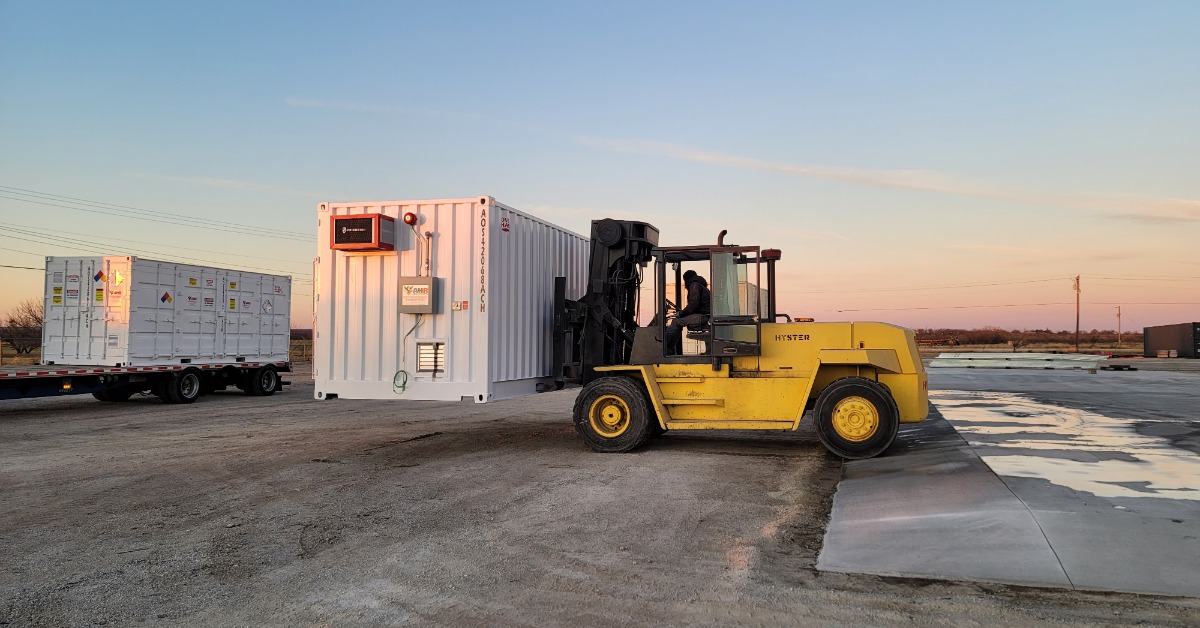
Proper placement of a hazmat storage container involves much more than finding an empty space on a job site. Ground conditions, weather exposure, drainage, accessibility, and regulatory requirements all influence how safely a container performs throughout its service life. Even a high-quality storage unit cannot provide optimal protection if the surrounding site creates unnecessary risks.
Companies that store hazardous materials must evaluate site conditions before delivery and installation. Careful planning helps protect employees, prevents environmental contamination, supports regulatory compliance, and extends the life of the storage equipment. Businesses across construction, manufacturing, shipbuilding, energy, and industrial sectors benefit from assessing each location before placing a container.
Why Container Placement Matters
Hazmat storage containers protect hazardous materials from weather, unauthorized access, and accidental releases. Their effectiveness depends on proper installation.
Poor placement may lead to:
- Water intrusion
- Foundation settling
- Reduced accessibility
- Increased corrosion
- Safety hazards during loading and unloading
- Difficulty complying with environmental regulations
Choosing the right location allows personnel to work safely while maintaining efficient operations.
Evaluate Ground Stability Before Delivery
Ground stability ranks among the first considerations for any container placement.
Hazmat storage containers carry substantial weight even before personnel load chemicals, drums, totes, or equipment inside. Soft or unstable soil may compress unevenly, causing the container to shift or settle over time.
Common problem surfaces include:
- Recently disturbed soil
- Loose gravel without proper compaction
- Saturated ground
- Areas with underground voids
Stable foundations help keep doors aligned, prevent structural stress, and reduce long-term maintenance issues.
Many facilities prepare compacted gravel pads or reinforced concrete slabs before installation to provide adequate support.
Consider Drainage Around the Installation Site
Water creates several hazards around hazardous material storage.
Standing water increases corrosion, weakens soil beneath the container, and complicates spill response efforts. Heavy rainfall may also carry contaminants farther if an incident occurs.
When evaluating drainage, look for:
- Low-lying areas
- Poor grading
- Flood-prone locations
- Areas where runoff naturally collects
Ideally, water should flow away from the container instead of pooling around its perimeter.
Facilities often improve drainage with grading, swales, gravel bases, or engineered stormwater systems.
Account for Local Flood Risks
Flooding presents one of the greatest threats to hazardous material storage.
Floodwater may damage stored products, compromise containment systems, or spread hazardous substances beyond the storage area. Even temporary flooding can interrupt operations and require costly cleanup.
Before installation, review:
- FEMA flood maps
- Historical flooding events
- Seasonal drainage patterns
- Nearby waterways
- Stormwater infrastructure
Selecting higher ground often reduces flood-related risks significantly.
Ensure Adequate Access for Delivery Equipment
A container cannot reach its final location without sufficient access.
Delivery trucks and cranes require adequate clearance to maneuver safely. Tight corners, overhead utilities, narrow gates, soft shoulders, and steep slopes may complicate installation.
Site managers should verify:
- Road width
- Turning radius
- Weight-bearing capacity
- Overhead power lines
- Tree branches
- Fence openings
- Crane operating space
Planning these logistics before delivery helps avoid expensive delays or repositioning.
Leave Enough Space Around the Container
The container itself represents only part of the required footprint.
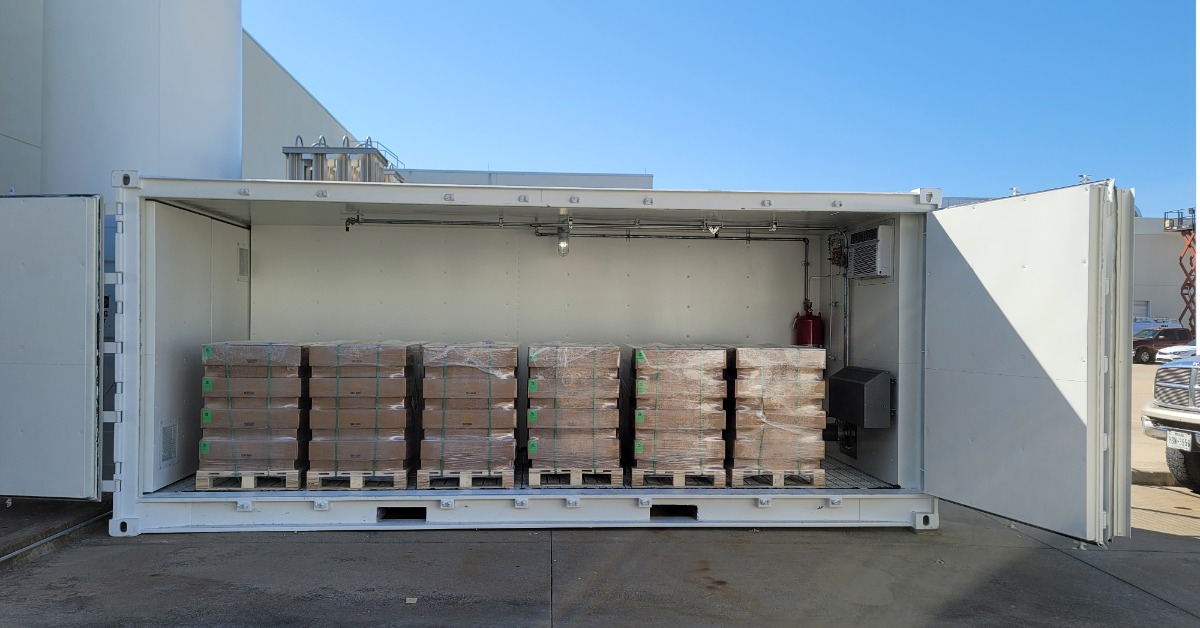
Personnel need room to open doors fully, inspect equipment, transfer materials, and respond to emergencies. Emergency responders also benefit from clear access if an incident occurs.
Crowding containers between buildings, fencing, or equipment may create unnecessary hazards during routine operations.
Many organizations establish clear working areas surrounding each unit to improve visibility and safe movement.
Evaluate Traffic Patterns on the Job Site
Busy industrial sites often experience continuous movement from forklifts, trucks, cranes, and heavy equipment.
Placing a hazmat container directly within high-traffic corridors increases the likelihood of accidental impacts.
Instead, evaluate:
- Vehicle routes
- Pedestrian walkways
- Loading zones
- Equipment staging areas
- Emergency vehicle access
Protective bollards or barriers may reduce collision risks in locations where nearby traffic cannot be avoided.
Consider Wind Exposure
Strong winds affect both container placement and day-to-day operations.
High winds may:
- Make doors difficult to control
- Increase airborne dust
- Affect spill response activities
- Impact loading operations
Sites in coastal regions or open industrial yards often experience greater wind exposure than sheltered locations.
Natural windbreaks, nearby structures, or strategic orientation may improve operating conditions without restricting ventilation.
Think About Sun Exposure and Temperature
Direct sunlight influences temperatures inside storage containers.
Although properly designed hazmat units help manage environmental conditions, prolonged solar exposure may increase internal temperatures depending on the stored materials and regional climate.
When selecting placement, consider:
- Afternoon sun
- Seasonal temperature changes
- Nearby reflective surfaces
- Building shadows
Certain hazardous materials require tighter environmental controls than others, making site orientation an important planning factor.
Verify Utility Locations
Underground and overhead utilities should never become an afterthought.
Before installation, identify:
- Electrical lines
- Water mains
- Gas pipelines
- Sewer systems
- Fiber optic cables
- Communication infrastructure
Locating utilities protects workers during site preparation and prevents accidental damage during delivery.
Most jurisdictions require utility locating before excavation or foundation work begins.
Maintain Safe Separation From Buildings
Container placement should support both operational efficiency and fire safety.
Local regulations and applicable fire codes often specify minimum separation distances between hazardous material storage and occupied buildings, ignition sources, or property lines.
Maintaining appropriate setbacks helps reduce exposure if an emergency occurs while allowing responders sufficient working space.
Facilities should always verify applicable local, state, and federal requirements before selecting a permanent location.
Account for Environmental Sensitivities
The surrounding environment often influences storage decisions. Nearby wetlands, waterways, storm drains, environmentally sensitive habitats, or protected land may require additional planning.
Even though containers include engineered containment features, organizations should minimize the potential impact of any accidental release.
Environmental considerations often become especially important for facilities operating near bodies of water, drainage systems, or protected ecosystems.
Choosing an appropriate location demonstrates responsible environmental stewardship while supporting regulatory compliance.
Plan for Operational Efficiency
Safety remains the highest priority, but efficiency also matters.
Personnel access the container regularly for inspections, inventory management, loading, unloading, and maintenance. Long travel distances or awkward placement may reduce productivity over time.
When evaluating potential locations, consider how the storage unit integrates into existing workflows without interfering with other operations.
Convenient placement encourages consistent inspections and proper handling practices.
Understand Future Site Changes
Construction projects and industrial facilities rarely remain static.
Temporary roads become permanent. Equipment moves. Buildings expand. Work zones shift.
A location that works today may create operational conflicts several months later.
Planning ahead helps organizations avoid relocating containers unnecessarily, reducing costs and minimizing operational disruptions.
Choose Placement That Supports Regulatory Compliance
Proper placement supports compliance with multiple safety and environmental regulations.
Requirements vary depending on the hazardous materials involved, storage quantities, industry, and jurisdiction. Site evaluations should include applicable OSHA, EPA, NFPA, and local fire code considerations whenever relevant.
Professional planning reduces the likelihood of compliance issues during inspections while helping organizations maintain safer operations.
Companies frequently work with experienced providers that understand how chemical storage units should integrate into diverse industrial environments while meeting project-specific requirements.
Work With Experienced Storage Providers
Selecting the right storage container represents only part of the overall process. Experienced rental providers help customers evaluate site conditions before delivery, identify potential obstacles, and recommend practical placement solutions.
Providers with extensive experience serving construction sites, shipyards, manufacturing facilities, and industrial operations understand how varying site conditions affect long-term performance. Their expertise can help organizations avoid costly placement mistakes while improving safety, accessibility, and operational efficiency.
Protecting Yourself and the Job Site
Site conditions directly influence the safety, durability, and effectiveness of every hazmat storage container installation. Stable ground, proper drainage, accessible delivery routes, adequate working space, environmental considerations, and future operational needs all deserve careful evaluation before placement begins.
Taking time to assess the site helps organizations protect hazardous materials, improve workplace safety, reduce maintenance concerns, and support regulatory compliance. A well-positioned container serves as a dependable part of an overall hazardous material management strategy, allowing businesses to focus on their operations with greater confidence.