
Companies that generate, store, transport, or dispose of hazardous waste must follow strict environmental regulations. One of the most important regulations comes from the Resource Conservation and Recovery Act (RCRA), which establishes standards for managing hazardous waste from its creation through its final disposal. Depending on your operations, you may need an RCRA permit before you can legally treat, store, or dispose of hazardous waste.
Many businesses assume every facility that handles hazardous materials needs an RCRA permit. That assumption creates unnecessary confusion. In reality, permit requirements depend on the activities taking place, the amount of waste involved, and how long a facility stores hazardous waste.
Understanding when an RCRA permit applies helps companies remain compliant, avoid penalties, and create safer workplaces.
What Is the Resource Conservation and Recovery Act?
Congress passed the Resource Conservation and Recovery Act in 1976 to protect human health and the environment from improper waste management. The Environmental Protection Agency (EPA) administers the federal program, while many states operate their own authorized RCRA programs that meet or exceed federal standards.
RCRA focuses on hazardous waste throughout its entire lifecycle. The law regulates how businesses generate, identify, transport, store, treat, and dispose of hazardous waste. This comprehensive approach often earns the nickname “cradle-to-grave” management.
The law also encourages waste reduction, recycling, and responsible resource management whenever possible.
What Is an RCRA Permit?
An RCRA permit serves as official authorization for a facility to treat, store, or dispose of hazardous waste. The permit establishes operating requirements that protect workers, nearby communities, and the environment.
The EPA or an authorized state agency reviews permit applications carefully before approving them. Each permit contains site-specific operating conditions based on the facility’s activities, equipment, and waste streams.
Permit requirements often address areas such as:
- Waste handling procedures
- Secondary containment systems
- Inspection schedules
- Employee training
- Emergency preparedness
- Recordkeeping requirements
- Closure and post-closure plans
Facilities must follow every permit condition throughout their operations.
Which Facilities Need an RCRA Permit?
Not every company that generates hazardous waste needs an RCRA permit.
In most cases, facilities require permits if they perform one or more of these activities:
- Treat hazardous waste
- Store hazardous waste beyond allowed accumulation limits
- Dispose of hazardous waste
These facilities are commonly known as Treatment, Storage, and Disposal Facilities (TSDFs).
For example, a hazardous waste disposal site almost always requires an RCRA permit because it permanently manages regulated waste. Likewise, facilities that chemically treat hazardous waste before disposal generally need permits before operations begin.
Companies should review both federal and state regulations because state requirements sometimes exceed federal standards.
Who Does Not Need an RCRA Permit?
Many hazardous waste generators operate without an RCRA permit because they qualify under generator accumulation rules.
A business that generates hazardous waste may temporarily accumulate waste on-site before shipping it to a permitted TSDF. As long as the company follows applicable accumulation time limits, container management requirements, labeling rules, and quantity thresholds, it generally does not need its own treatment or storage permit.
Construction companies, manufacturers, laboratories, automotive facilities, and industrial plants often fall into this category.
Although these businesses may avoid permit requirements, they still must comply with hazardous waste regulations.
How Generator Status Affects Permit Requirements
The EPA classifies hazardous waste generators based on the amount of waste they produce.
Very Small Quantity Generators (VSQGs), Small Quantity Generators (SQGs), and Large Quantity Generators (LQGs) each follow different regulatory requirements.
Generator status affects:
- Accumulation time limits
- Maximum storage quantities
- Employee training requirements
- Inspection frequencies
- Emergency planning obligations
- Recordkeeping requirements
A facility that exceeds allowable storage time or performs treatment activities outside generator exemptions may trigger RCRA permitting requirements.
Because generator status can change as production increases, businesses should review waste generation volumes regularly.
What Does the RCRA Permit Application Process Involve?
Obtaining an RCRA permit requires extensive planning and documentation.
Applicants typically submit detailed information about their facility, including waste types, operating procedures, engineering controls, emergency response plans, inspection programs, environmental protections, and closure procedures.
Regulatory agencies also review:
- Site design
- Security measures
- Fire protection systems
- Spill prevention measures
- Groundwater monitoring plans when applicable
- Financial assurance documentation
- Community impact considerations
The permitting process often includes technical reviews, opportunities for public comment, and facility inspections before final approval.
Because permitting takes considerable time, companies should begin planning well before anticipated operations.
How Long Does an RCRA Permit Remain Valid?
An RCRA permit does not last forever.
Permit terms vary depending on the issuing authority, but many permits remain effective for up to ten years. Facilities seeking continued authorization typically submit renewal applications before the existing permit expires.
Operators also must notify regulators about significant operational changes that could affect permit conditions.
Adding new treatment processes, expanding storage capacity, or modifying waste streams may require permit modifications before changes occur.
What Happens If a Facility Operates Without a Required Permit?
Operating without a required RCRA permit exposes businesses to significant legal and financial consequences.
Regulatory agencies may impose:
- Civil penalties
- Administrative enforcement actions
- Operational shutdowns
- Corrective action requirements
- Cleanup obligations
- Criminal penalties for knowing violations
Beyond regulatory enforcement, noncompliance can damage a company’s reputation and interrupt business operations.
Many organizations also face contractual obligations requiring compliance with environmental regulations before working on government projects or serving large industrial customers.
How Proper Hazardous Waste Storage Supports Compliance
Even companies that do not require an RCRA permit must store hazardous waste safely while awaiting transportation.
Proper storage practices reduce environmental risks and help businesses satisfy generator requirements.
Effective hazardous waste storage includes:
- Clearly labeled containers
- Compatible container materials
- Secondary containment systems
- Regular inspections
- Controlled access
- Adequate ventilation when required
- Protection from weather conditions
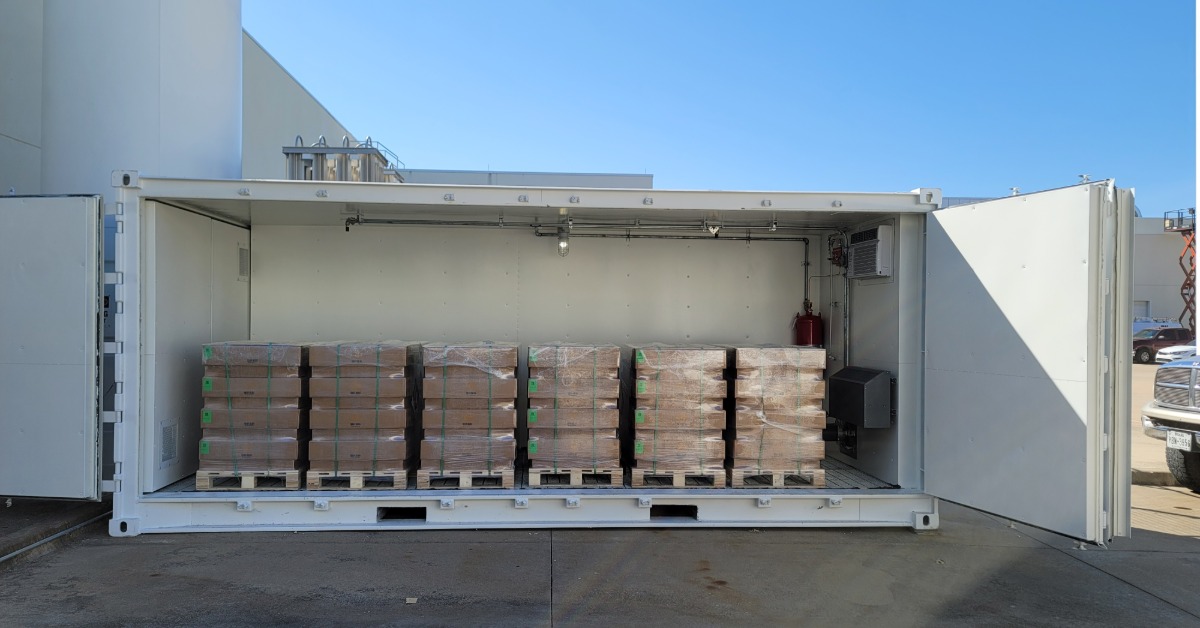
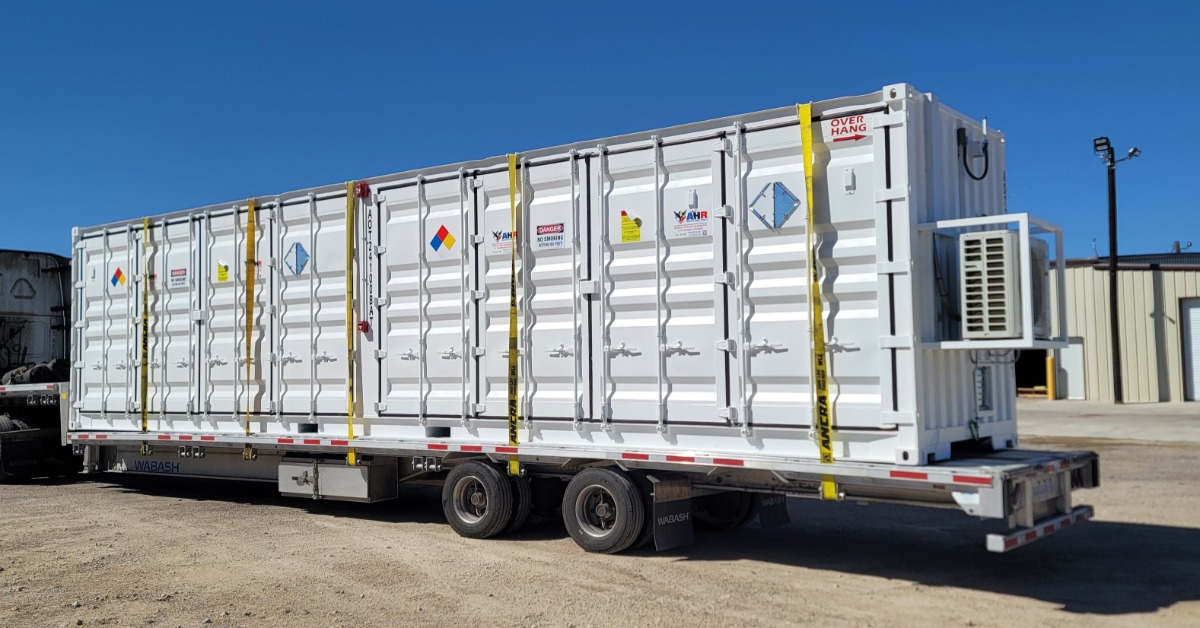
Businesses that store smaller volumes of flammable products sometimes use paint storage lockers to organize compatible materials while maintaining safe separation and regulatory compliance. Facilities with larger hazardous waste inventories often rely on engineered storage buildings or specialized hazmat storage containers designed for industrial applications.
Storage equipment alone does not guarantee compliance, but appropriate storage solutions make it much easier to meet regulatory expectations.
What Records Should Businesses Maintain?
Accurate documentation plays a central role in RCRA compliance.
Businesses should maintain records that demonstrate proper hazardous waste management throughout daily operations.
Common documentation includes hazardous waste manifests, inspection logs, employee training records, waste determinations, container inspections, accumulation dates, contingency plans, and shipping records.
Well-organized records simplify regulatory inspections and help companies identify compliance issues before they become costly violations.
Facilities should also understand any state-specific documentation requirements because authorized state programs may require additional records beyond federal regulations.
How State Regulations May Differ From Federal Rules
Although the EPA establishes national RCRA standards, many states administer their own hazardous waste programs.
Authorized state programs often adopt stricter regulations than federal requirements.
Some states impose:
- Shorter accumulation time limits
- Additional reporting requirements
- Expanded hazardous waste definitions
- More frequent inspections
- Additional permitting obligations
Companies operating in multiple states cannot assume one compliance program satisfies every jurisdiction.
Reviewing state-specific regulations remains an essential part of environmental compliance planning.
How Businesses Can Determine Whether They Need an RCRA Permit
Every hazardous waste operation has unique characteristics.
The need for an RCRA permit depends on several factors, including the type of waste, storage duration, treatment activities, disposal methods, and applicable state regulations.
Businesses should evaluate:
- The amount of hazardous waste generated
- How long waste remains on-site
- Whether treatment occurs before shipment
- Whether storage exceeds generator exemptions
- State-specific environmental requirements
Environmental consultants, qualified compliance professionals, and state environmental agencies can help businesses determine their regulatory responsibilities before operations begin.
Final Thoughts
An RCRA permit serves an important role in protecting public health and the environment by regulating facilities that treat, store, or dispose of hazardous waste. However, not every company that generates hazardous waste needs one. Many businesses operate legally under generator accumulation rules while following strict storage, labeling, inspection, and transportation requirements.
Understanding where your facility fits within the RCRA framework allows you to make informed operational decisions, reduce compliance risks, and maintain safer hazardous waste management practices. Whether your company requires a permit or simply needs compliant temporary storage, staying current with federal and state regulations remains one of the most effective ways to protect your employees, your operations, and the environment.