
Electric vehicle batteries require careful storage under normal conditions, but damaged or defective batteries demand even greater attention. Physical damage, manufacturing defects, overheating, water exposure, and electrical problems can increase the risk of fire, toxic gas release, and thermal runaway.
Facilities that store damaged EV batteries need procedures that help workers recognize problems early and respond without creating additional hazards. A clear plan should address identification, isolation, storage conditions, monitoring, emergency response, and eventual transportation or disposal.
What Makes a Damaged EV Battery Dangerous?
Lithium-ion batteries store a significant amount of energy in a relatively compact package. Damage can compromise internal components and create conditions that generate heat or cause an internal short circuit.
A battery may also develop a problem without obvious external damage. Manufacturing defects, electrical faults, improper charging, and previous exposure to extreme temperatures can affect internal cells. These conditions make careful inspection and monitoring essential.
One of the most serious concerns involves thermal runaway. During thermal runaway, rising temperatures trigger chemical reactions that generate additional heat. The process can spread from one cell to neighboring cells and potentially create a larger fire event.
How Can You Identify a Damaged or Defective EV Battery?
Workers should inspect batteries according to the battery manufacturer’s procedures and the facility’s safety program. Some problems appear immediately, while others develop gradually.
Warning signs can include swelling, deformation, cracks, punctures, leaking material, unusual odors, discoloration, excessive heat, smoke, unusual sounds, or evidence of impact. Battery management systems may also report abnormal temperatures, voltages, or other faults.
Employees should treat unexplained changes seriously rather than assuming a battery remains safe because it has not caught fire.
What Should You Do When You Discover Battery Damage?
Follow the manufacturer’s emergency and handling instructions whenever they apply. Facilities should also use written procedures that tell employees who to contact and what steps they can safely perform.
Avoid unnecessary handling of a battery that shows signs of overheating, smoking, leaking, or other instability. Instead, restrict access to the area and follow the site’s emergency response procedures. Personnel should never take actions that exceed their training or the facility’s established safety protocols.
Early recognition matters because battery conditions can change after the original damage occurs.
Why Should You Separate Damaged Batteries From Other Inventory?
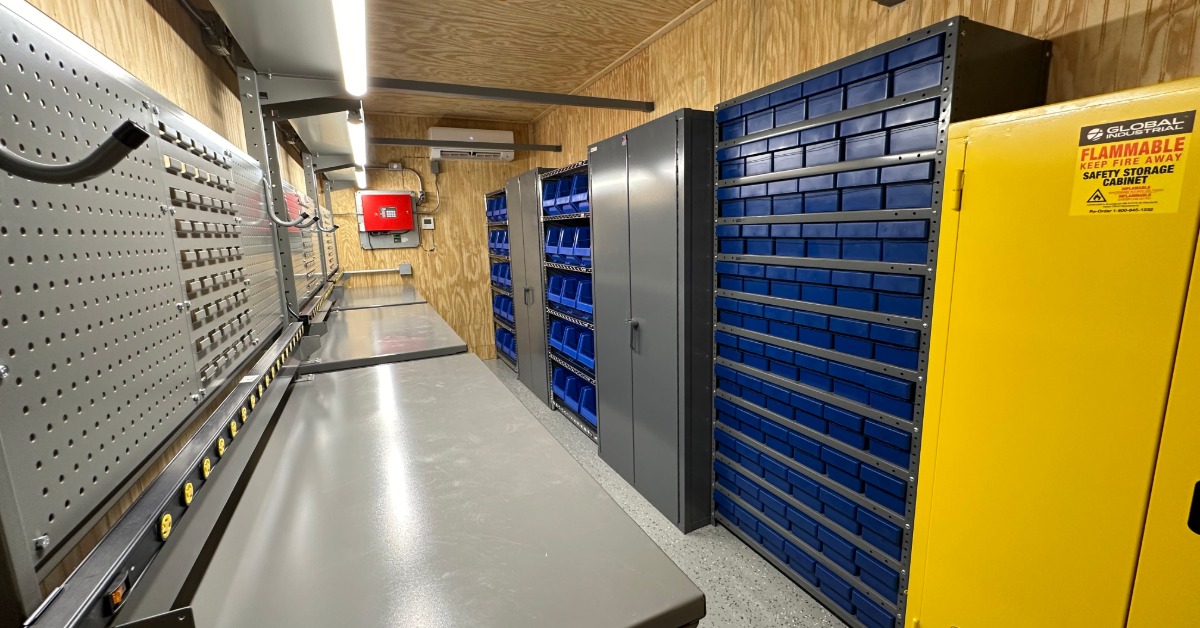
Separation helps limit the consequences if a damaged battery experiences a thermal event. Keeping a questionable battery among healthy battery packs could expose additional stored energy to heat and fire.
Facilities should establish a designated area for batteries that require evaluation. The location should account for the battery manufacturer’s recommendations, applicable codes, fire protection requirements, and site-specific hazards.
Workers also need to prevent incompatible materials, combustible items, and unnecessary equipment from accumulating around the designated storage area.
What Storage Conditions Do Damaged EV Batteries Need?
Storage requirements depend on battery chemistry, size, condition, manufacturer instructions, and applicable regulations. A facility should evaluate each of these factors rather than relying on one storage approach for every battery.
The storage area should support appropriate temperature control, protection from weather and physical impact, access control, and emergency response. Facilities may also need ventilation, fire detection, suppression systems, gas detection, spill control, or other safeguards based on their hazard assessment.
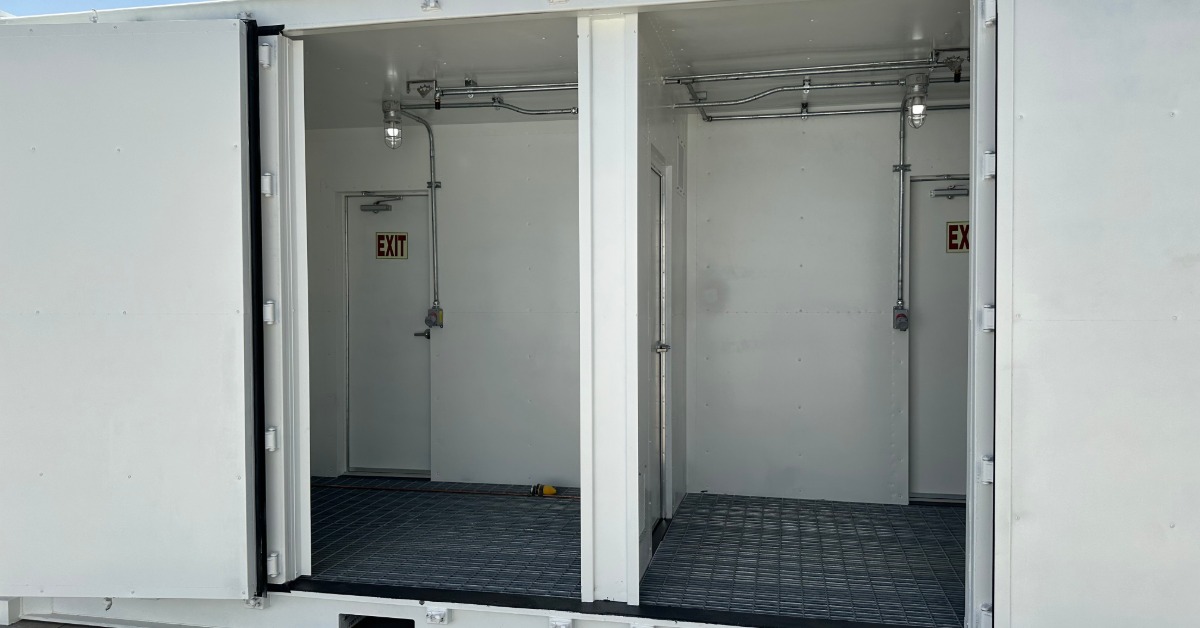
Purpose-built EV battery storage containers can help facilities establish a dedicated location for battery inventory when site conditions and storage requirements support their use.
Why Does Temperature Monitoring Matter?
Heat can provide an early warning that a damaged battery has entered an unstable condition. Facilities should follow manufacturer recommendations for acceptable storage temperatures and monitoring practices.
A battery that becomes noticeably warmer without an obvious external cause requires attention. Continuous or scheduled monitoring can help personnel recognize abnormal temperature changes before the situation escalates.
Temperature monitoring does not eliminate risk, however. Facilities should combine monitoring with physical inspections, battery management data when available, and established emergency procedures.
How Should Facilities Prevent Accidental Battery Damage?
Good storage practices should prevent additional damage after employees identify a questionable battery. Workers should protect batteries from drops, crushing forces, punctures, vehicle traffic, and contact with equipment that could damage the battery enclosure.
Facilities should also keep terminals and electrical connections protected according to manufacturer instructions. Appropriate barriers or designated storage zones can help keep forklifts, carts, and other equipment away from vulnerable batteries.
Storage layouts should give employees enough room to inspect inventory without moving unrelated batteries unnecessarily.
What Information Should Employees Record?
Documentation helps a facility track a battery’s condition and prevents damaged inventory from returning to normal service accidentally. Records should clearly identify the battery and explain why personnel removed it from regular inventory.
Useful information may include:
- Battery identification or serial number
- Discovery date
- Observed damage or fault
- Known cause of damage
- Temperature or monitoring data
- Photographs when appropriate
- Actions taken
- Responsible personnel
- Final disposition.
Facilities should use their existing safety, maintenance, and inventory systems whenever possible so employees can find this information easily.
How Should Workers Respond to a Battery That Shows Signs of Thermal Runaway?
Smoke, rapidly increasing temperature, popping or hissing sounds, fire, or unusual gas emissions can signal a serious battery emergency. Employees should follow the facility’s emergency action plan and immediately contact the appropriate emergency response personnel.
Workers should not improvise firefighting or battery-handling techniques. EV battery fires can create complex hazards, and response tactics may depend on battery design, chemistry, location, and manufacturer recommendations.
Facilities should give local emergency responders information about the types and quantities of batteries stored on site. Pre-incident planning can help responders understand access points, shutdown procedures, storage arrangements, and other site conditions before an emergency occurs.
Who Should Have Access to Damaged Batteries?
Facilities should restrict access to employees who understand the hazards and have appropriate training for their responsibilities. General employees should know how to recognize warning signs and report a suspected problem, even when they do not handle batteries directly.
Clear signs, barriers, labels, or controlled-access areas can help prevent unauthorized handling. Contractors and temporary workers may also need information about restricted areas if they work near battery storage locations.
Training should reflect each employee’s actual role rather than giving everyone the same level of responsibility.
Can a Damaged EV Battery Go Back Into Service?
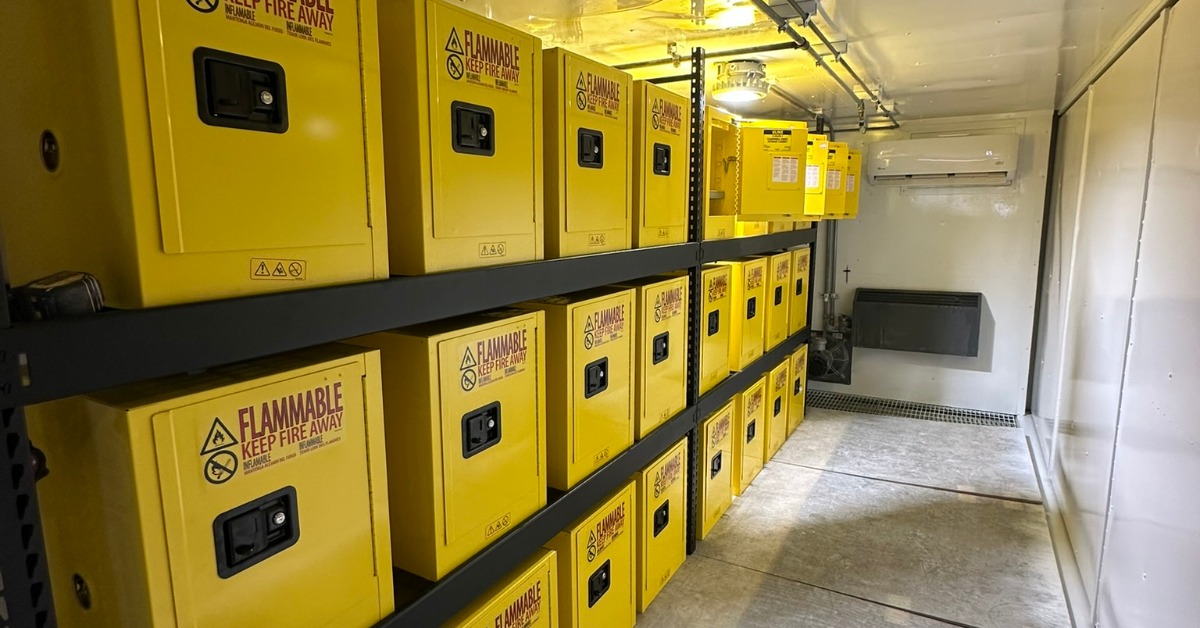
A facility should not return a damaged or questionable battery to normal use simply because it appears stable after an incident. Qualified personnel should evaluate the battery according to manufacturer requirements and the organization’s established procedures.
Some damage may affect internal components without creating obvious external symptoms. A battery can therefore require further inspection, diagnostic testing, repair, or removal from service.
Facilities should document the decision so employees know whether the battery can return to service or requires another form of disposition.
How Should You Prepare a Damaged Battery for Transportation?
Damaged, defective, or recalled lithium batteries can face specific transportation requirements. The rules may vary according to the battery’s condition, mode of transportation, destination, and other factors.
Before shipping a questionable EV battery, facilities should determine which transportation regulations apply and work with personnel or service providers who understand the relevant requirements. Packaging, marking, labeling, documentation, and transportation methods may differ from those used for undamaged batteries.
Never assume that packaging suitable for a new battery also meets the requirements for a damaged one.
Why Does Planning Matter for Damaged EV Battery Storage?
Damaged or defective EV batteries can create hazards long after the event that caused the original problem. A dropped battery, collision-damaged pack, manufacturing defect, or unexplained electrical fault deserves careful evaluation rather than assumptions about its condition.
Facilities can reduce risk by recognizing warning signs early, separating questionable batteries from normal inventory, monitoring their condition, controlling access, maintaining accurate records, and preparing employees for emergencies. A well-planned storage program also helps emergency responders and facility managers understand what materials they may encounter.