
Shipyards handle complex operations, tight timelines, and high-risk materials every day. As electric vehicles and battery-powered equipment become more common across maritime operations, shipyards must adapt their storage practices to safely manage lithium-ion batteries. These energy-dense systems require careful planning, proper containment, and strict adherence to safety protocols.
American Hazmat Rentals has supported naval and shipyard operations for decades, delivering specialized storage solutions that meet demanding industrial requirements. That experience highlights a clear reality: safe battery storage protects both personnel and infrastructure while keeping projects on track.
Why EV Battery Storage Demands Special Attention
Lithium-ion batteries store large amounts of energy in compact spaces. When handled incorrectly, they can overheat, ignite, or release hazardous gases. Shipyards often face additional challenges such as confined areas, salt air exposure, and heavy equipment traffic.
Teams must treat battery storage as a critical safety function, not a secondary concern. Proper planning reduces the likelihood of thermal runaway events and limits damage if an incident occurs.
Understand the Risks of Lithium-Ion Batteries
Shipyard managers need a clear understanding of battery hazards before implementing safety practices. Lithium-ion batteries can fail due to physical damage, overcharging, or manufacturing defects. When failure occurs, it can escalate quickly.
Thermal runaway creates intense heat and can spread from one battery to another. Fires involving lithium-ion batteries burn hotter than typical combustible materials and often require specialized suppression methods. Toxic fumes can also pose serious health risks to workers nearby.
Choose the Right Storage Location
Location plays a major role in safe battery storage. Shipyards should designate specific areas for battery containment that remain separate from high-traffic zones and critical operations.
Storage areas should sit away from welding, cutting, or other hot work activities. Clear separation reduces the chance that sparks or heat sources trigger an incident. Outdoor placement often works best when space allows, but indoor storage can remain safe when facilities include proper ventilation and fire protection systems.
Use Approved Storage Containers
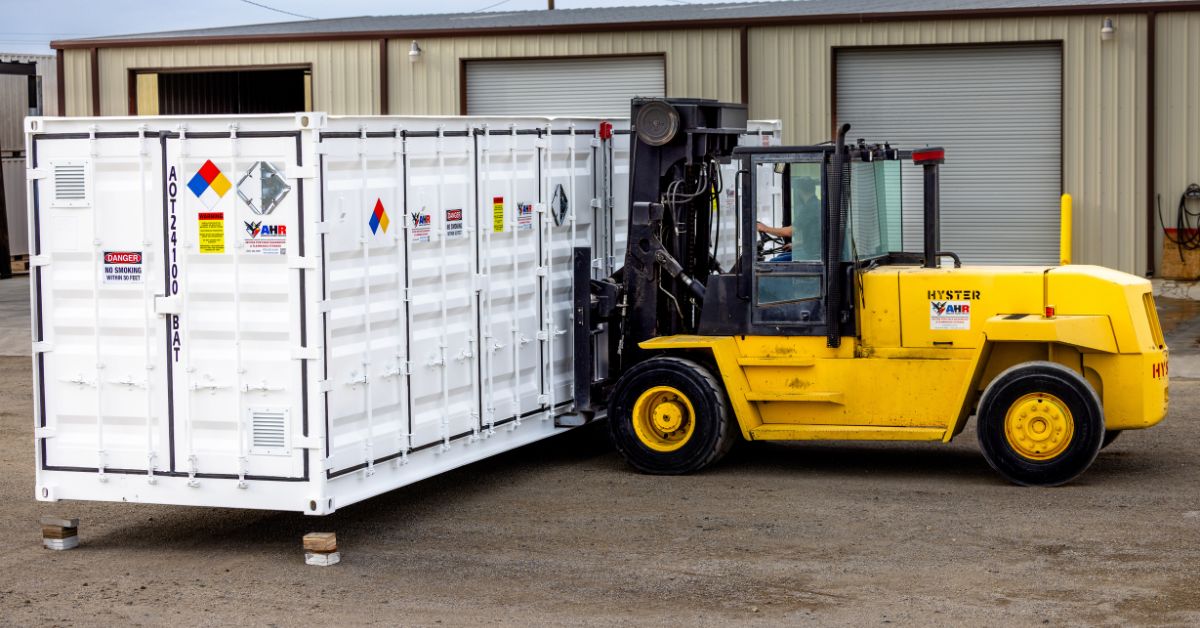
Standard storage methods do not provide enough protection for lithium-ion batteries. Shipyards benefit from using purpose-built containment systems designed for hazardous materials.
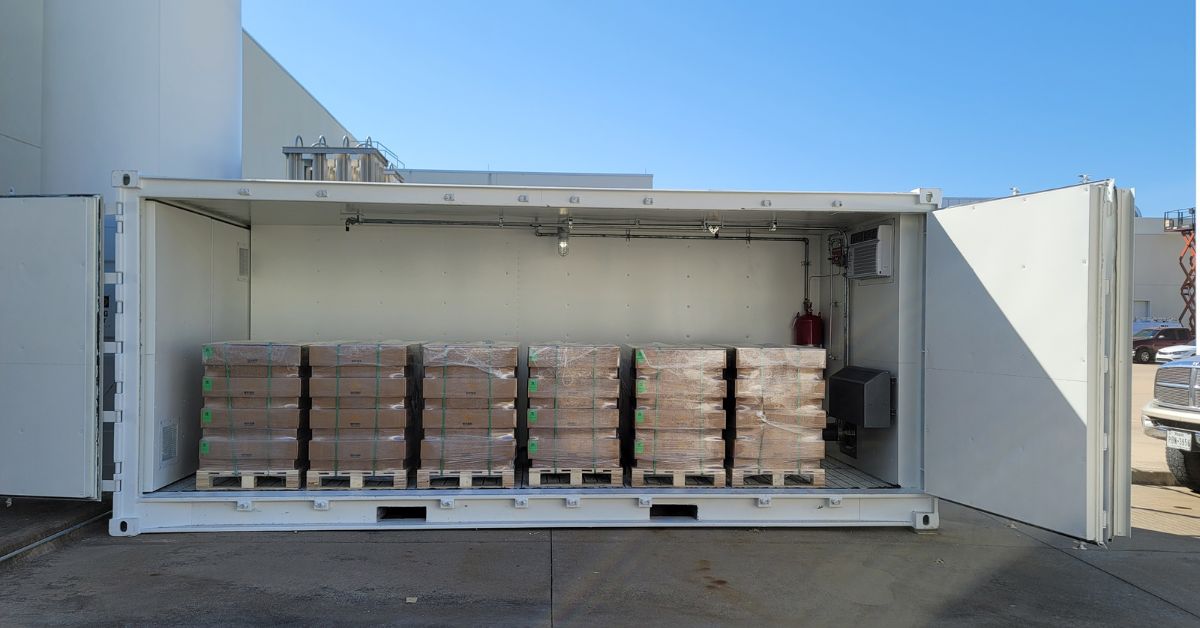
These containers help control temperature, manage ventilation, and contain potential fires. They also prevent unauthorized access and protect batteries from environmental exposure. Selecting compliant storage units ensures operations meet regulatory expectations while improving overall safety.
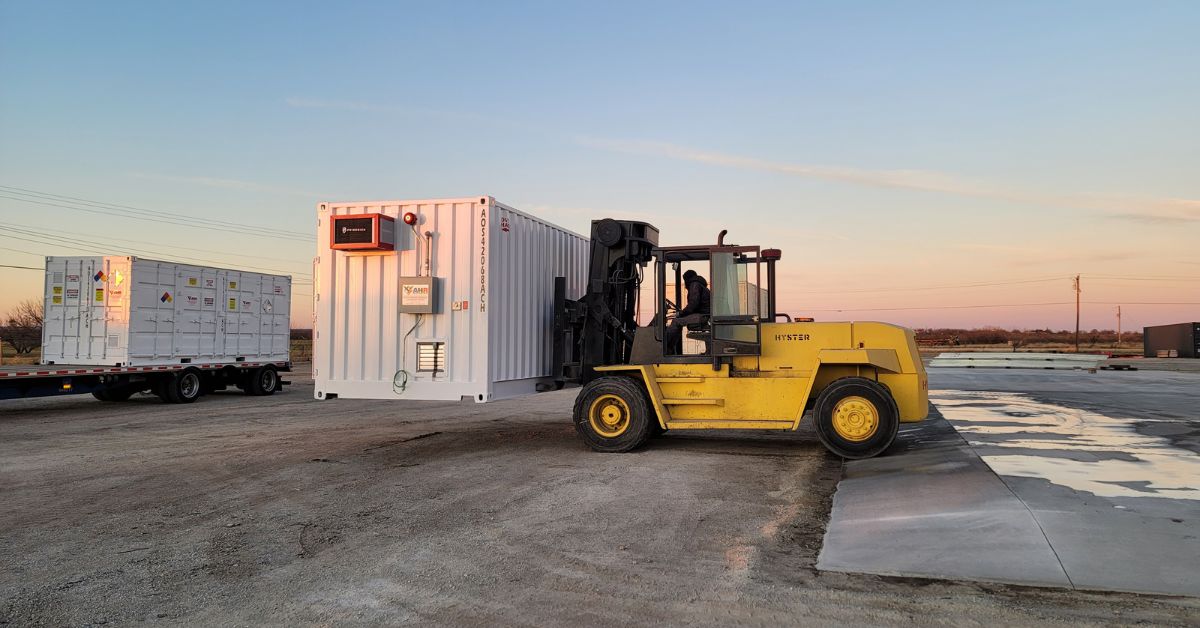
In many shipyard environments, investing in dedicated EV battery storage solutions provides the most reliable way to manage risk without slowing productivity.
Maintain Proper Ventilation
Ventilation reduces the buildup of heat and gases inside storage areas. Lithium-ion batteries can release flammable vapors when damaged or overheated, so airflow becomes essential.
Shipyards should install ventilation systems that promote consistent air exchange. Passive vents may work for smaller setups, but larger storage areas often require mechanical systems to maintain safe conditions. Monitoring airflow helps ensure systems continue to perform as intended.
Control Temperature and Environmental Conditions
Temperature control directly impacts battery stability. Excess heat increases the likelihood of failure, while extreme cold can damage battery performance and structure.
Shipyards should keep storage environments within manufacturer-recommended temperature ranges. Climate-controlled containers or shaded outdoor setups help maintain consistent conditions. Protection from moisture and salt exposure also prevents corrosion and degradation over time.
Implement Clear Handling Procedures
Safe storage begins with proper handling. Workers must follow consistent procedures when moving, charging, or inspecting batteries.
Shipyards should establish written protocols that define how teams transport batteries, where they stage them, and how they connect charging equipment. Supervisors must enforce these procedures to ensure consistency across shifts.
Training plays a key role here. Workers who understand the risks and proper techniques make fewer mistakes and respond more effectively when issues arise.
Establish Fire Prevention and Response Plans
Every shipyard needs a clear plan for preventing and responding to battery-related fires. Preparation limits damage and protects lives.
Fire prevention strategies include routine inspections, proper spacing between stored batteries, and immediate removal of damaged units. Response plans should identify evacuation routes, emergency contacts, and fire suppression methods suited for lithium-ion incidents.
Teams should coordinate with local fire departments to align response strategies. This coordination ensures faster, more effective action during emergencies.
Monitor and Inspect Stored Batteries
Regular inspections help identify potential problems before they escalate. Shipyard teams should check batteries for signs of swelling, leakage, corrosion, or physical damage.
Monitoring systems can provide additional protection. Temperature sensors and alarm systems alert teams when conditions move outside safe ranges. Early detection allows for quick intervention, which can prevent larger incidents.
Consistent documentation of inspections also supports compliance and improves long-term safety planning.
Limit Storage Quantities
Storing large volumes of batteries in one location increases risk. Shipyards should limit the number of batteries stored in a single area whenever possible.
Spacing between units helps prevent fire spread. Dividing inventory across multiple storage zones reduces the impact of any single incident. This approach also improves accessibility and organization for daily operations.
Train Staff on Battery Safety
Training ensures that every worker understands their role in maintaining safe conditions. Shipyards should provide ongoing education on battery hazards, handling procedures, and emergency response.
Effective training programs cover both routine operations and high-risk scenarios. Workers should know how to identify warning signs, report concerns, and respond quickly during emergencies.
Clear communication reinforces these practices. When teams stay informed, they contribute to a safer work environment across the entire facility.
Follow Regulatory and Industry Standards
Compliance plays a major role in safe battery storage. Shipyards must follow local, state, and federal regulations related to hazardous materials.
Organizations such as OSHA and the NFPA provide guidelines for handling and storing lithium-ion batteries. These standards address fire protection, ventilation, and safe distances. Following them not only improves safety but also reduces legal and financial risks.
Working with experienced storage providers helps ensure that equipment and processes meet current requirements.
Maintain Organized Storage Systems
Organization supports both safety and efficiency. Shipyards should label storage areas clearly and keep batteries arranged in a logical, accessible manner.
Avoid stacking batteries in unstable configurations. Use racks or shelving systems designed for heavy loads and hazardous materials. Keeping aisles clear allows for quick access during inspections or emergencies.
An organized system also reduces handling errors, which can lead to damage or accidents.
Key Safety Practices to Prioritize
Shipyards can strengthen their battery storage approach by focusing on several core actions:
- Designate dedicated storage areas away from active work zones
- Use compliant containers built for hazardous material storage
- Maintain consistent temperature and ventilation conditions
- Train workers on safe handling and emergency procedures
- Inspect batteries regularly for damage or defects
- Limit the number of batteries stored in a single location
These practices create a strong foundation for safe operations while supporting productivity across the shipyard.
Plan for Future Growth in Battery Use
Battery usage in shipyards will continue to grow as electric equipment becomes more common. Planning ahead helps facilities stay prepared for increased demand.
Shipyards should evaluate current storage capacity and identify areas for expansion. Investing in scalable storage solutions allows teams to adapt without major disruptions. Forward planning also ensures compliance with evolving regulations and industry standards.
Build a Safer Shipyard Environment
Safe battery storage requires attention to detail, consistent processes, and the right equipment. Shipyards that prioritize these elements reduce risk while maintaining efficient operations.
American Hazmat Rentals understands the unique challenges shipyards face and provides storage solutions that support safety and compliance across demanding environments. With the right approach, shipyards can manage lithium-ion batteries confidently and protect both their workforce and their projects.
A proactive strategy keeps operations running smoothly while addressing the evolving demands of modern maritime work.