
Electric vehicle adoption continues to accelerate across industries, creating new challenges for businesses handling EV batteries. Whether you operate an automotive dealership, repair facility, or manufacturing plant, proper battery storage directly impacts your safety compliance and operational efficiency.
Two primary storage solutions dominate the market: specialized outdoor EV battery storage containers and purpose-built indoor storage rooms. Each option presents distinct advantages and regulatory considerations that affect your bottom line and safety record.
Understanding these differences helps you make informed decisions that protect your workers, meet compliance requirements, and optimize your storage investment. The wrong choice can lead to costly violations, safety incidents, and operational disruptions that ripple through your entire business.
What Makes EV Battery Storage Different From Traditional Battery Storage?
EV batteries contain significantly more energy density than conventional automotive batteries, creating unique storage requirements. These lithium-ion systems store hundreds of kilowatt-hours of energy and present thermal runaway risks that traditional lead-acid batteries simply don’t pose.
Regulatory agencies classify many EV batteries as hazardous materials due to their electrolyte composition and fire potential. This classification triggers specific storage, handling, and emergency response requirements that affect facility design and operations.
Temperature control becomes critical with EV batteries since extreme heat or cold can trigger dangerous reactions. Your storage solution must maintain stable environmental conditions while providing adequate ventilation for any off-gassing that occurs during charging or maintenance cycles.
How Do Storage Containers Address EV Battery Safety Requirements?
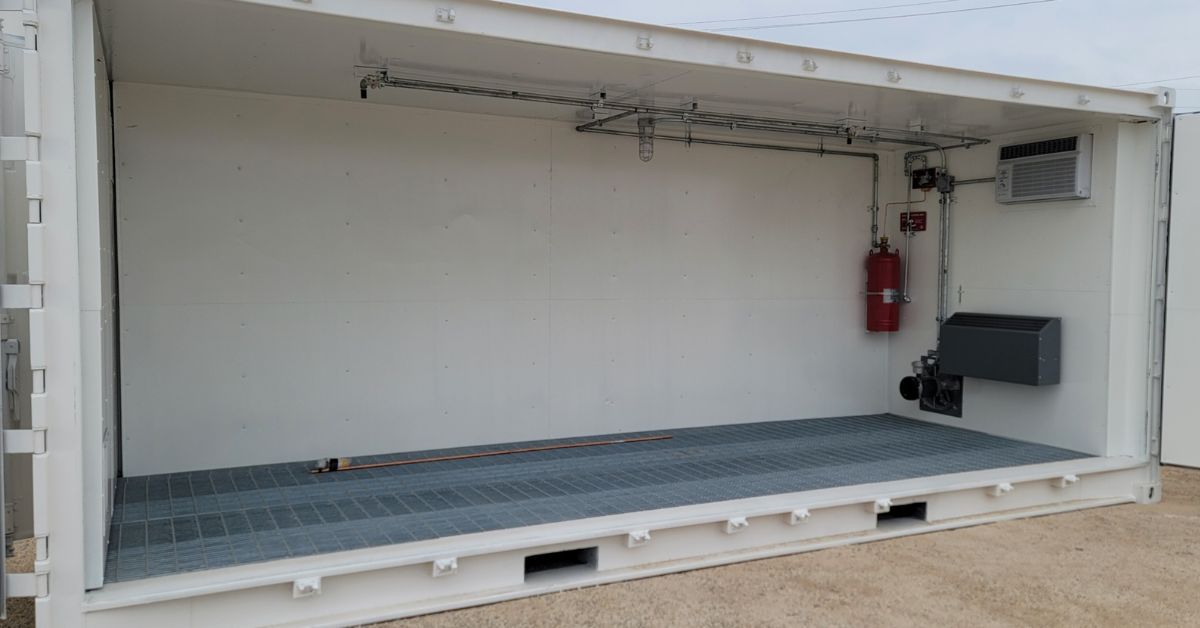
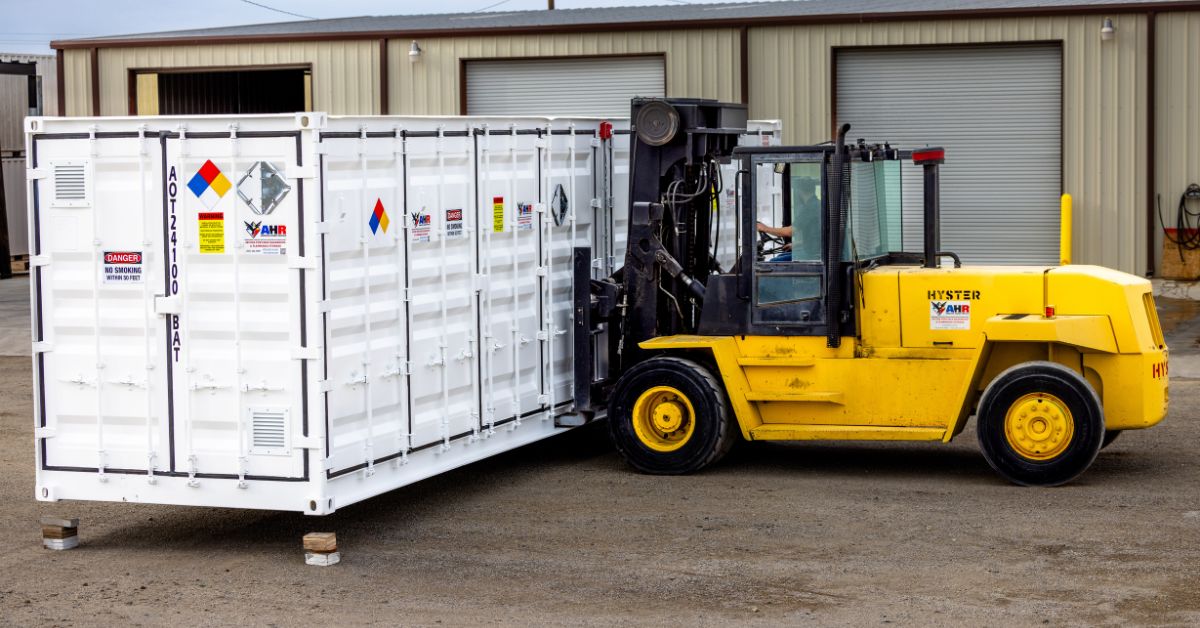
Purpose-built storage containers offer engineered solutions designed specifically for electric car battery storage applications. These units typically feature fire-resistant construction, integrated ventilation systems, and temperature monitoring capabilities that meet or exceed regulatory standards.
Many containers include automatic suppression systems that activate during thermal events, containing fires and preventing spread to adjacent areas. This containment capability proves especially valuable for facilities with limited space or proximity to other operations.
Manufacturers design these containers with accessibility features that support battery handling equipment while maintaining safety barriers. Loading systems, proper spacing, and ergonomic considerations reduce worker injury risks during storage and retrieval operations.
When Do Indoor Storage Rooms Make More Sense?
Indoor storage rooms work best when you have available space within existing buildings and want to integrate battery storage with other operations. These installations allow for direct climate control through your facility’s HVAC systems and provide weather protection without additional weatherproofing costs.
Custom room construction lets you optimize layouts for your specific battery types and handling procedures. You can incorporate specialized equipment, charging stations, and maintenance areas within the same controlled environment.
Indoor rooms also facilitate better security integration with existing facility systems. Access control, surveillance, and alarm systems connect seamlessly with your current infrastructure, reducing installation complexity and ongoing monitoring costs.
Key Regulatory Differences Between Container and Indoor Storage
Building codes treat outdoor containers and indoor storage rooms differently, affecting permit requirements and inspection schedules. Containers often fall under temporary structure regulations, while indoor rooms must comply with permanent building modifications and fire safety codes.
Ventilation requirements vary significantly between the two options. Outdoor containers rely on natural airflow and mechanical systems, while indoor rooms must integrate with building ventilation to prevent accumulation of hazardous gases throughout the facility.
Emergency response procedures also differ based on location. Outdoor containers may require dedicated fire department access routes, while indoor storage affects building evacuation plans and emergency ventilation protocols.
How Do Installation Costs Compare Between the Two Options?
Container installations typically require lower upfront costs since they arrive pre-built and require minimal site preparation. You need adequate foundation work, utility connections, and access routes, but construction time remains minimal compared to room building projects.
Indoor storage room construction involves a higher initial investment due to building modifications, electrical work, and HVAC integration. However, these costs may be offset by better integration with existing operations and lower long-term maintenance requirements.
Consider these cost factors when evaluating options:
- Site preparation and foundation requirements
- Electrical and ventilation system installation
- Permit and inspection fees
- Integration with existing facility systems
- Ongoing maintenance and monitoring costs
What Maintenance Requirements Apply to Each Storage Type?
Container systems require regular inspection of weather sealing, structural integrity, and mechanical components exposed to outdoor conditions. Temperature fluctuations, moisture, and UV exposure can accelerate wear on external systems and require more frequent replacement cycles.
Indoor rooms benefit from controlled environments that reduce maintenance demands on structural and mechanical components. However, integration with building systems means maintenance affects other facility operations and may require coordination with building management systems.
Both options need consistent monitoring of safety systems, ventilation performance, and environmental controls. Emergency equipment like fire suppression systems requires regular testing and certification regardless of installation location.
How Does Climate Impact Storage Container Performance?
Extreme weather conditions significantly affect container performance and operational costs. Hot climates increase cooling requirements and stress thermal management systems, while cold environments may require additional heating to prevent battery damage.
Humidity control becomes more challenging in outdoor containers, especially in coastal or high-moisture environments. Corrosion protection and moisture management systems require a more robust design and frequent maintenance in these conditions.
Wind loads, snow accumulation, and severe weather events also affect container placement and anchoring requirements. Local building codes specify design standards based on regional weather patterns and natural disaster risks.
When Should You Choose Container Storage Over Indoor Rooms?
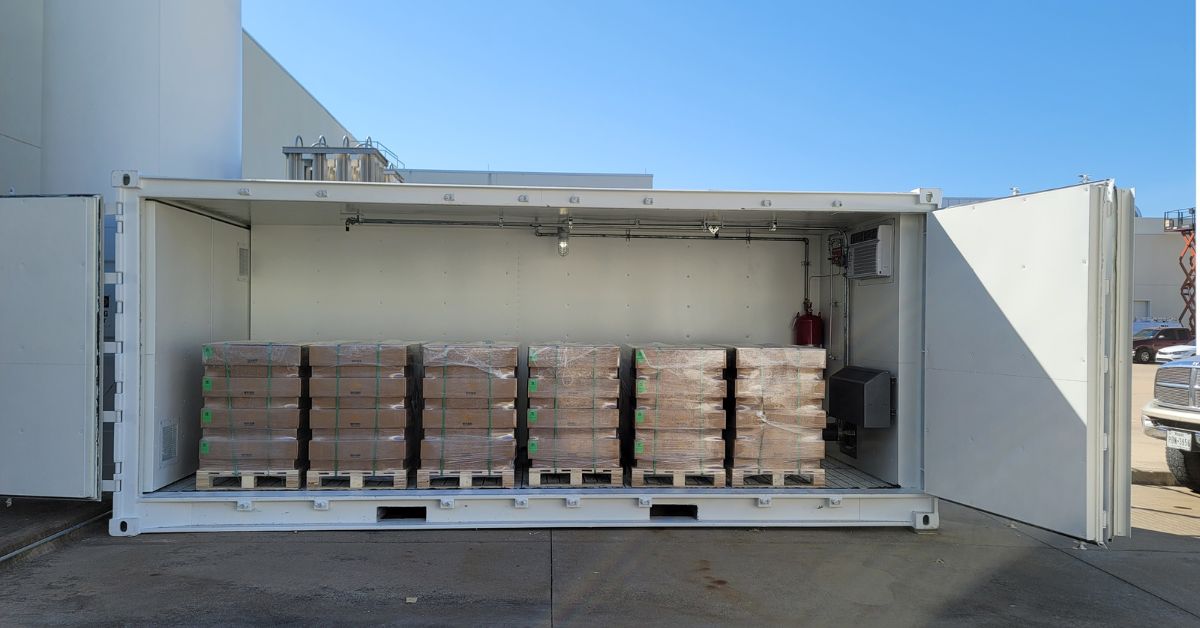
Container storage works best for facilities with limited indoor space, temporary storage needs, or operations that benefit from isolated battery storage areas. If you handle batteries intermittently or need flexible storage locations, containers provide mobility that indoor rooms cannot match.
Facilities dealing with high-risk batteries or experimental technologies often prefer containers for their containment capabilities. If a thermal event occurs, outdoor containers limit damage to surrounding areas and simplify emergency response procedures.
Quick implementation timelines also favor container solutions. When you need storage capacity immediately, containers can be operational within weeks rather than the months required for indoor room construction.
What Factors Determine Indoor Room Suitability?
Indoor storage rooms suit facilities with available building space, consistent storage needs, and integrated battery handling operations. If you regularly charge, maintain, or test batteries as part of ongoing operations, indoor rooms provide better workflow integration.
Climate-controlled environments work better for facilities in extreme weather locations where outdoor containers would require extensive environmental control systems. Indoor rooms leverage existing building systems for more efficient temperature and humidity management.
High-security requirements may also drive indoor room selection. When battery theft or unauthorized access poses significant risks, indoor rooms integrate better with existing security infrastructure and access control systems.
Making the Right Choice for Your Battery Storage Needs
Your optimal storage solution depends on specific operational requirements, facility constraints, and regulatory environment. Assess your battery volumes, handling procedures, and available space before committing to either option.
Consult safety engineers and regulatory specialists to ensure your chosen solution meets all applicable codes and standards. Proper implementation of either storage containers or indoor storage rooms protects your workers, maintains compliance, and supports efficient operations. Contact qualified storage system providers to evaluate your specific needs and develop a solution that meets your safety and operational objectives.