
Remote infrastructure projects bring essential services to areas where traditional construction resources may not exist. Whether crews build transmission lines, expand telecommunications networks, or develop energy facilities, they often work miles from established supply chains. These remote locations create unique challenges for storing hazardous materials safely.
Fuel, solvents, industrial chemicals, and other hazardous substances require careful handling regardless of location. However, limited transportation access and unpredictable weather can complicate storage decisions. Project managers must develop practical solutions that protect workers and surrounding environments while supporting daily operations.
Understanding the available hazmat storage options helps construction teams maintain safe conditions without sacrificing productivity.
Why Does Remote Infrastructure Require Specialized Hazmat Storage?
Remote construction sites rarely offer the infrastructure that conventional industrial facilities provide. Teams may lack permanent storage buildings, reliable electricity, or immediate access to emergency services.
These limitations make hazardous material management more complicated. Workers need secure locations that protect chemicals from environmental exposure while keeping incompatible substances separated.
Remote projects also face longer response times when accidents occur. A small chemical leak can become a serious problem if crews lack appropriate containment equipment.
Specialized storage solutions help address these concerns by providing controlled environments that support safer material handling throughout construction.
What Hazardous Materials Do Remote Projects Typically Store?
The types of hazardous materials depend on the project’s scope and equipment requirements. Energy developments may require substantial quantities of lubricants and industrial chemicals, while telecommunications projects often use smaller amounts of solvents or maintenance products.
Common hazardous materials include:
- Diesel fuel and other combustible liquids
- Flammable paints, coatings, and cleaning solvents
- Corrosive chemicals for equipment maintenance
- Adhesives and chemical treatment products
- Batteries and related hazardous components
Each material presents different storage requirements. Project managers should review safety data sheets and applicable regulations before determining how to organize their inventory.
How Do Portable Hazmat Storage Containers Support Remote Operations?
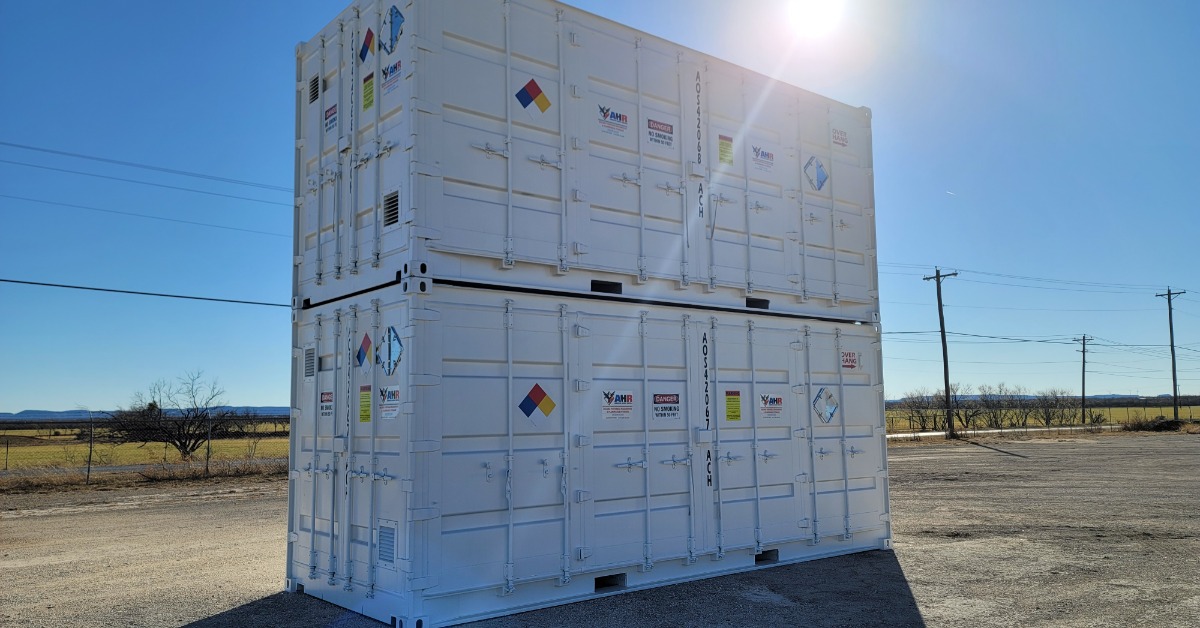
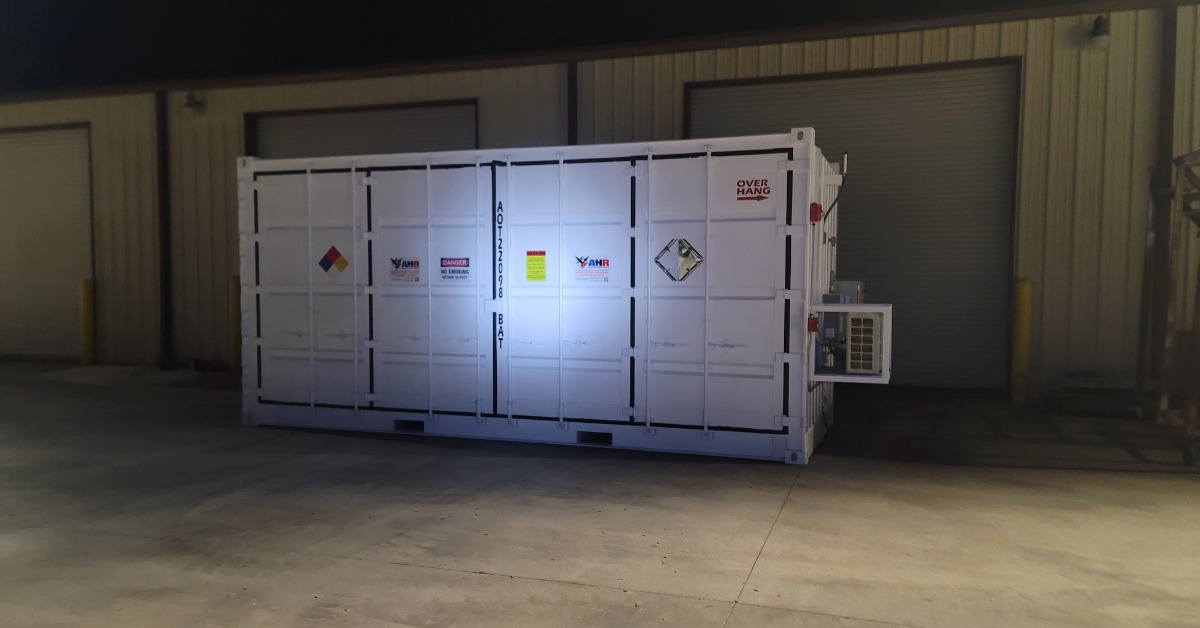
Portable hazardous material storage containers offer flexibility when projects lack permanent facilities. These structures provide dedicated spaces for storing chemicals while allowing contractors to relocate equipment as construction progresses.
Many units incorporate spill containment systems and ventilation features appropriate for specific material hazards. Certain models also provide fire-resistant construction for applications that require additional protection.
Contractors can position portable containers near active work areas while maintaining appropriate separation distances.
Rental options also help companies avoid investing in permanent infrastructure for temporary projects. Once construction ends, teams can arrange container removal rather than maintaining an unused storage facility.
How Can Contractors Select the Right Storage Container?
Choosing an appropriate container starts with understanding the materials that crews need to store. Chemical classifications, container sizes, and total inventory volumes influence storage requirements.
Project managers should evaluate whether materials need fire-rated construction, mechanical ventilation, or specialized containment features.
Access requirements also matter. Some operations benefit from wide doors that accommodate equipment, while others need shelving for smaller chemical containers.
For projects with unusual layouts or specialized equipment, custom storage containers may provide configurations that better accommodate operational needs.
The goal involves matching storage capabilities to actual site conditions rather than selecting equipment based on capacity alone.
What Role Does Secondary Containment Play in Remote Storage?
Secondary containment helps prevent hazardous liquids from spreading beyond their primary containers. This protection becomes especially important at remote sites where spills may threaten soil or nearby waterways.
Containment systems collect leaks before chemicals reach surrounding areas. Many purpose-built storage units include integrated sumps or containment floors. However, containment capacity must match the materials and quantities that crews store.
Contractors should also inspect containment areas regularly. Rainwater, debris, or accumulated liquids can reduce available capacity and complicate cleanup.
Proper containment supports environmental protection while helping companies meet applicable storage requirements.
How Do Weather Conditions Affect Hazmat Storage?
Remote infrastructure projects frequently operate in environments with extreme temperatures or severe weather. These conditions can influence chemical stability and container performance.
High temperatures may increase vapor pressure inside certain chemical containers. Freezing conditions can damage packaging or affect products that require controlled temperatures.
Strong winds and flooding introduce additional concerns.
Project managers should evaluate local climate conditions before selecting storage equipment. Depending on the materials, appropriate solutions may include insulation, temperature control, or specialized ventilation.
Regular weather monitoring also helps crews prepare for changing conditions that could affect storage safety.
Where Should Contractors Position Hazmat Storage Units?
Container placement directly influences worker safety and operational efficiency. Remote sites often feature uneven terrain, limited access roads, or temporary construction surfaces.
Contractors should select stable ground capable of supporting the container and its contents.
They must also consider drainage patterns. Low-lying areas can collect stormwater and increase the risk of flooding.
Storage locations should provide practical access for deliveries and emergency personnel without interfering with equipment movement.
Required separation distances depend on the stored materials, container design, and applicable fire codes. Project managers should confirm these requirements before finalizing placement.
How Can Remote Teams Manage Chemical Compatibility?
Some hazardous substances react dangerously when they contact incompatible materials. Improper storage arrangements can increase the likelihood of fires or chemical releases.
For example, oxidizing agents may intensify combustion when they encounter certain flammable substances. Acids and bases can also react aggressively under some conditions.
Crews should organize chemicals according to their specific compatibility requirements rather than relying solely on general hazard labels.
Separate containment areas or dedicated storage units may help prevent accidental mixing.
Maintaining accurate inventories allows supervisors to identify potential conflicts before workers introduce new materials into storage.
Why Does Ventilation Matter in Remote Hazmat Storage?
Certain chemicals release vapors that can accumulate inside enclosed spaces. Without appropriate ventilation, these vapors may create health hazards or potentially flammable atmospheres.
Ventilation requirements depend on chemical properties and storage conditions.
Some storage units use passive ventilation, while others incorporate mechanical systems that provide controlled airflow.
Remote sites without reliable electrical service may need alternative power arrangements for equipment that requires continuous operation.
Contractors should confirm ventilation requirements before choosing a container. They should also inspect ventilation components to ensure that blocked openings or equipment failures do not compromise performance.
How Should Contractors Plan for Emergency Response?
Emergency planning becomes especially important when remote locations lack nearby fire departments or specialized hazardous material response teams.
Project managers should identify credible emergency scenarios based on the chemicals present.
Response plans must address spill reporting, evacuation procedures, and communication with outside responders.
Workers also need access to appropriate emergency equipment and clear instructions about when to evacuate rather than attempt cleanup.
Because cellular coverage may remain unreliable, contractors should establish dependable communication methods before hazardous materials arrive.
Regular training helps workers recognize hazards and respond according to their assigned responsibilities.
How Can Storage Solutions Adapt as Projects Progress?
Infrastructure construction rarely remains concentrated in one location. Pipeline installations, transmission corridors, and roadway projects often advance across considerable distances.
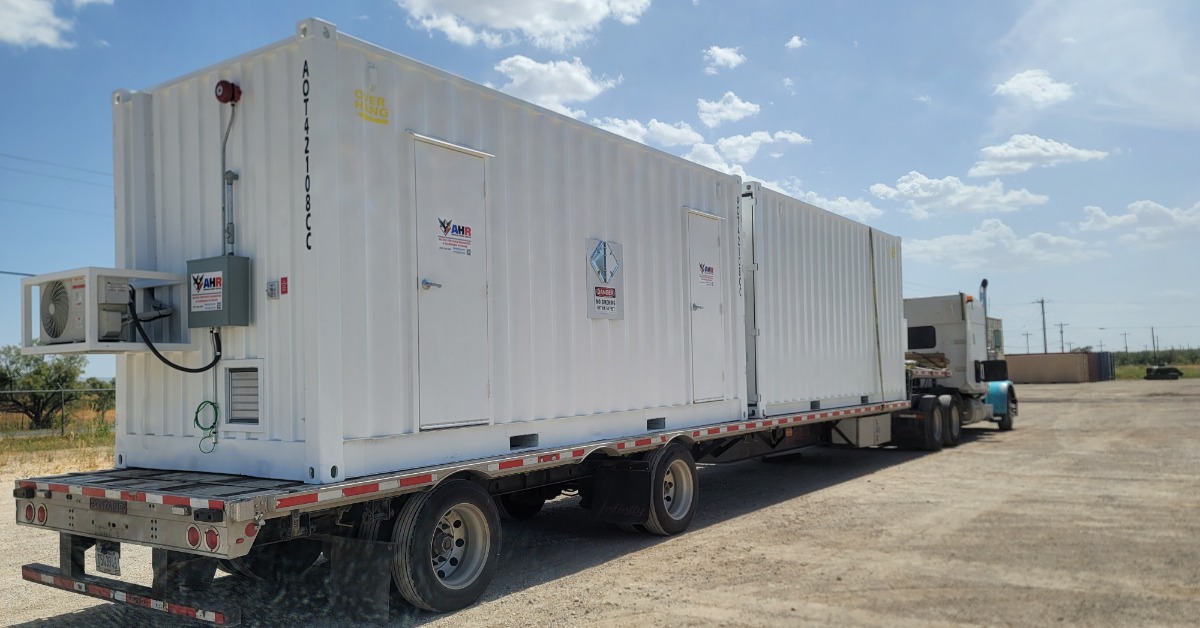
Portable storage solutions allow contractors to adjust their hazardous material management strategies as work locations change.
However, moving a storage unit requires planning. Crews must follow manufacturer instructions and applicable transportation requirements, including rules governing hazardous materials during shipment.
Project managers should coordinate relocation schedules with material deliveries to avoid unnecessary handling.
Flexible rental arrangements can help contractors maintain suitable storage capacity throughout changing project phases.
How Can Contractors Improve Hazmat Storage Planning?
Effective planning begins before hazardous materials reach the construction site. Contractors should estimate inventory needs and identify storage requirements during early project development.
They should also consider transportation restrictions, equipment access, and anticipated construction phases.
Consulting storage providers early can help project managers compare available container configurations and determine suitable delivery arrangements. Coordination with safety personnel and local authorities helps clarify applicable requirements.
These preparations reduce last-minute changes and support more efficient operations once construction begins.
Building Safer Remote Infrastructure Projects
Remote infrastructure development requires storage solutions that accommodate challenging environments without compromising hazardous material safety.
Portable containers, appropriate containment systems, and careful site planning help contractors manage chemical inventories throughout construction.
American Hazmat Rentals offers hazardous material storage rental options for projects across the country. Contractors can explore available configurations to identify solutions that support their specific storage needs.
With appropriate equipment and consistent safety practices, remote construction teams can protect their worksites while maintaining progress on essential infrastructure projects.