
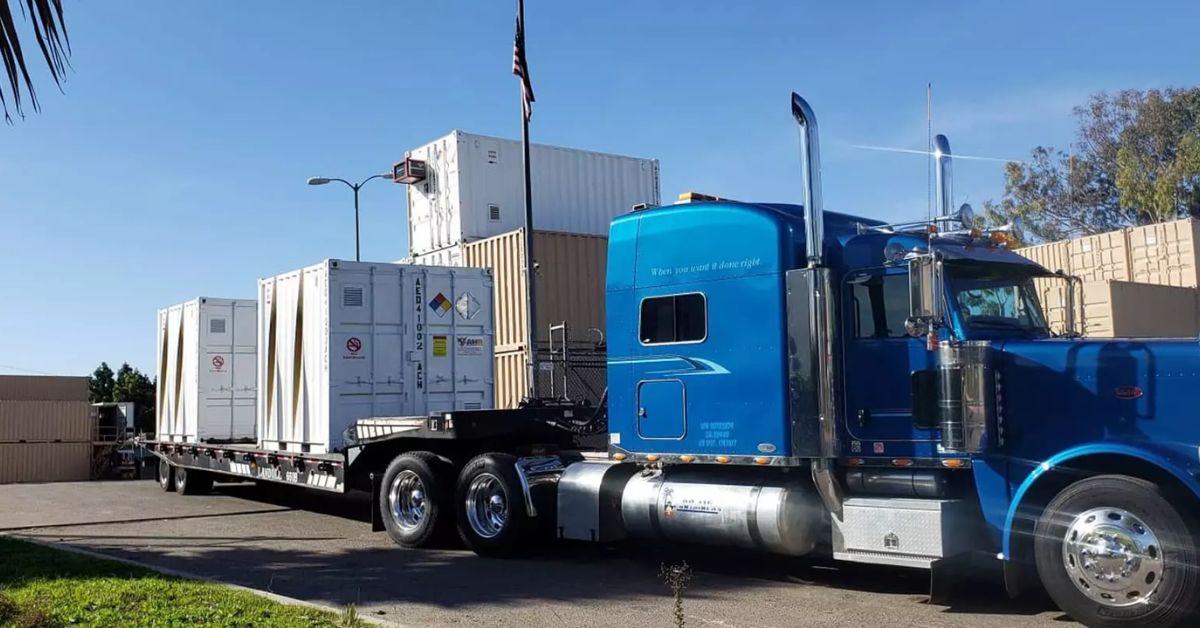
Storing chemicals and hazardous materials on a job site requires careful planning, consistent procedures, and a clear understanding of regulatory expectations. Construction sites, industrial projects, and large-scale operations often handle substances that can pose serious risks if stored improperly. Poor storage practices can lead to injuries, environmental damage, regulatory violations, and costly shutdowns.
Safe chemical storage protects workers, nearby communities, and the project itself. It also supports operational efficiency by keeping materials organized, accessible, and compliant. Understanding how to store hazardous materials correctly helps job sites operate safely while avoiding unnecessary risk.
Why Chemical Storage Matters on Job Sites
Job sites often operate in changing conditions. Crews move equipment, adjust workflows, and bring in new materials as projects progress. Without structured storage practices, hazardous materials can become unstable, mislabeled, or improperly exposed.
Improper storage can lead to:
- Chemical spills or leaks
- Fire or explosion hazards
- Worker exposure to toxic substances
- Regulatory penalties
- Project delays and liability issues
Safe storage creates control in an environment that constantly changes. When teams treat chemical storage as a core safety function rather than an afterthought, job sites become safer and more predictable.
Understanding the Types of Chemicals Commonly Stored on Job Sites
Before choosing storage methods, teams need to understand what they store. Different chemicals present different hazards, and each type requires specific controls.
Common job site chemicals include:
- Flammable liquids such as fuels, solvents, and adhesives
- Corrosive substances like acids and bases
- Toxic materials including pesticides or industrial cleaners
- Compressed gases used for welding or cutting
- Reactive materials that respond dangerously to heat, air, or water
Each category demands specific storage conditions. Grouping incompatible chemicals together can increase the risk of dangerous reactions, so classification plays a critical role.
Reviewing Regulations That Govern Hazardous Material Storage
Job sites must follow federal, state, and local regulations related to hazardous materials. Agencies like OSHA and the EPA establish requirements for labeling, containment, ventilation, and access control.
Key regulatory considerations include:
- Proper labeling and hazard communication
- Secondary containment for liquid chemicals
- Storage separation for incompatible materials
- Employee training requirements
- Emergency response accessibility
Compliance reduces legal exposure and improves job site safety. Many violations occur not because materials are dangerous, but because teams overlook documentation, signage, or layout requirements.
Choosing the Right Storage Location on a Job Site
Where chemicals sit on a job site matters as much as how they are stored. Storage areas should remain separate from high-traffic zones, ignition sources, and public access points.
An effective storage location:
- Limits exposure to heat and direct sunlight
- Remains away from heavy equipment traffic
- Allows clear access for inspections and emergencies
- Provides controlled entry to authorized personnel only
Temporary job sites often rely on designated storage zones that change as the project evolves. Regular reviews help ensure that storage locations remain appropriate as site conditions shift.
Using Proper Containers and Storage Units
Approved containers serve as the first line of defense against leaks, spills, and contamination. Manufacturers design containers to match the chemical properties they hold, so teams should never substitute containers casually.
Storage units should:
- Match the chemical’s compatibility requirements
- Remain sealed when not in use
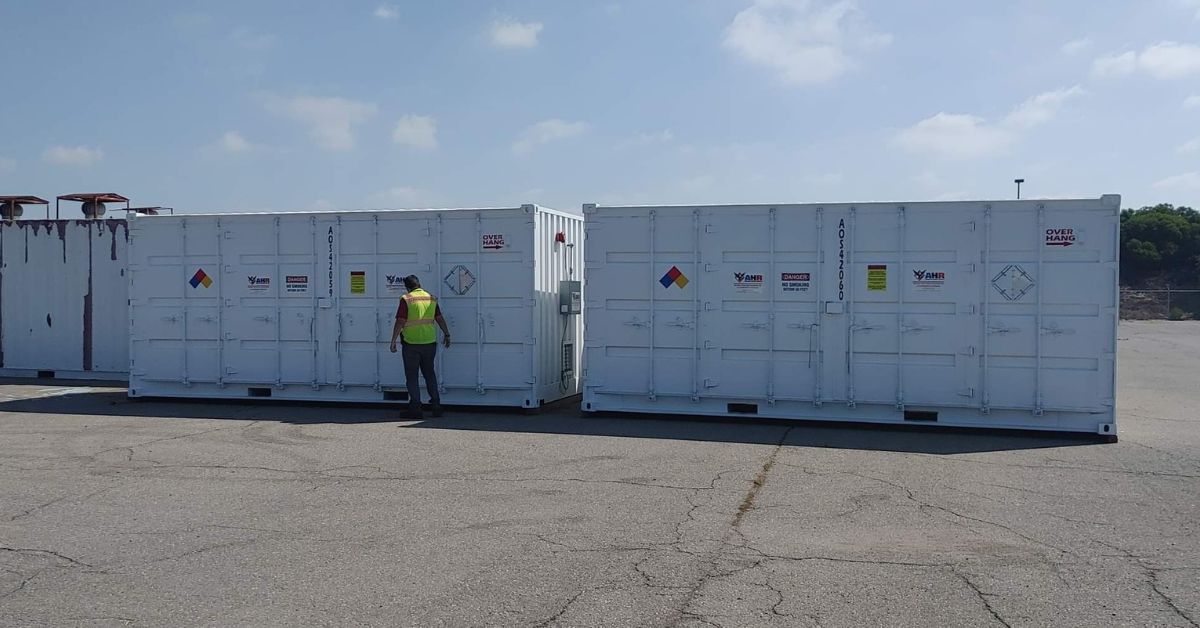
- Show clear labeling and hazard markings
- Withstand job site conditions such as vibration or weather
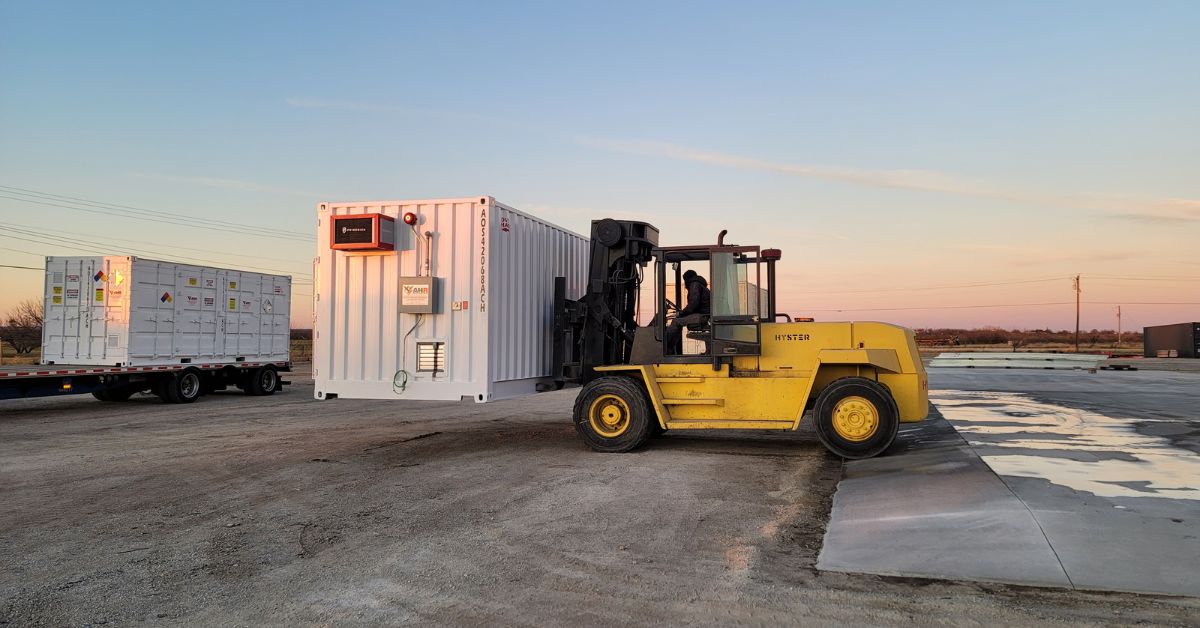
Many job sites use modular storage options, including chemical storage buildings, to maintain compliance while allowing flexibility across multiple projects.
Labeling and Identifying All Hazardous Materials Clearly
Clear labeling supports safety, compliance, and efficiency. Workers should know what a substance contains and what hazards it presents before handling it.
Labels should include:
- Chemical name
- Hazard classification
- Manufacturer information
- Handling and storage warnings
Faded, missing, or handwritten labels create confusion and increase risk. Regular inspections help catch labeling issues before they lead to mistakes.
Separating Incompatible Chemicals
Some chemicals react violently when stored together. Proper segregation reduces the chance of fire, toxic gas release, or structural damage.
Examples of incompatibility include:
- Acids stored near bases
- Oxidizers stored with flammable materials
- Water-reactive substances stored in damp environments
Physical barriers, separate cabinets, or designated storage zones help maintain safe separation. Planning these layouts early reduces last-minute storage decisions that can create hazards.
Managing Ventilation and Environmental Controls
Ventilation plays a major role in chemical storage safety. Poor airflow allows vapors to build up, increasing the risk of exposure or ignition.
Effective environmental control includes:
- Adequate airflow for enclosed storage areas
- Temperature control for heat-sensitive chemicals
- Moisture control for water-reactive substances
Job sites should monitor storage environments regularly, especially in extreme weather or enclosed spaces.
Training Workers on Safe Storage Practices
Even the best storage system fails without proper training. Workers who handle or work near hazardous materials need to understand storage rules and emergency procedures.
Training should cover:
- Recognizing hazard labels and symbols
- Proper handling and transfer methods
- Storage location rules
- Spill response basics
- Reporting damaged containers or unsafe conditions
Consistent training reinforces accountability and reduces the likelihood of unsafe shortcuts.
Inspecting Storage Areas Regularly
Routine inspections help identify issues before they escalate. Containers can degrade, labels can fade, and layouts can change as projects move forward.
Inspection checklists should include:
- Container integrity
- Label visibility
- Proper segregation
- Clear access paths
- Spill control availability
Documenting inspections demonstrates due diligence and supports regulatory compliance.
Planning for Spill Prevention and Emergency Response
No storage system eliminates risk entirely. Job sites need clear plans for responding to spills, leaks, or exposure incidents.
Prepared sites maintain:
- Spill kits appropriate for stored chemicals
- Clear emergency contact information
- Defined response procedures
- Access to personal protective equipment
Quick, informed responses reduce harm and limit downtime when incidents occur.
Adapting Storage Practices as Projects Change
Job sites evolve constantly. New materials arrive, workflows change, and crews rotate. Storage systems should adapt without sacrificing safety.
Regular reviews help teams:
- Adjust storage capacity as needs grow
- Reevaluate location suitability
- Update training for new materials
- Remove outdated or unused chemicals
Flexibility combined with structure allows job sites to stay compliant without slowing progress.
Building a Culture of Safety Around Chemical Storage
Safe chemical storage on a job site works best when teams treat it as part of the job, not a separate task. Clear expectations, consistent enforcement, and visible leadership support create a culture where safety remains a shared responsibility.
When workers understand why storage rules exist, they follow them more consistently. That mindset protects people, projects, and businesses over the long term.