
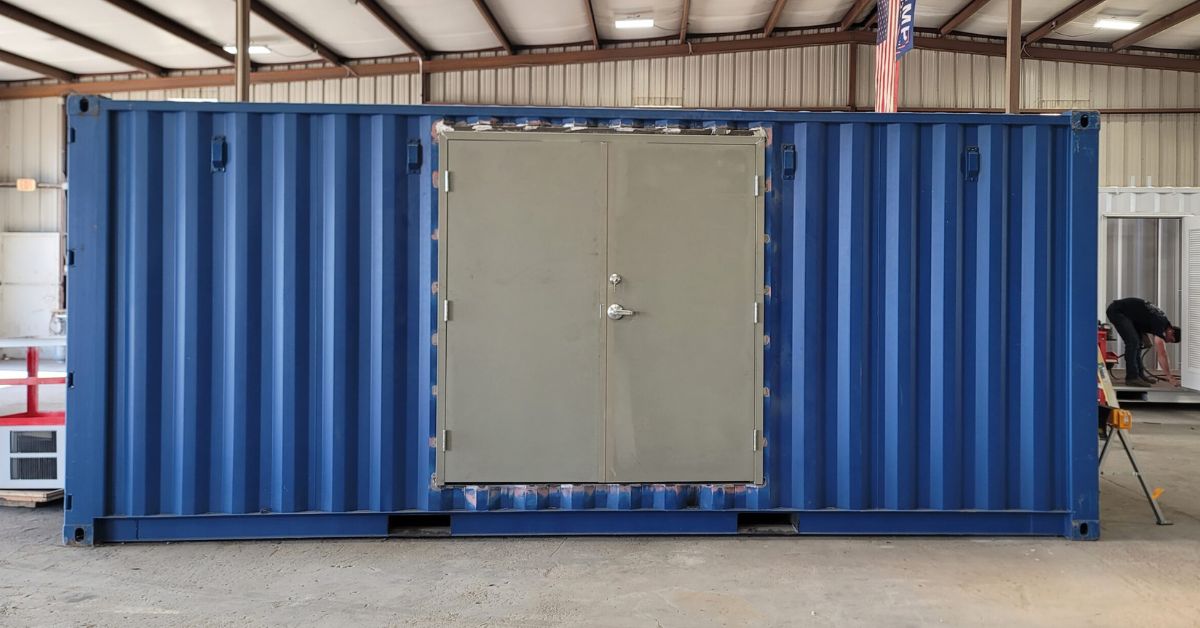
Chemical storage building design directly impacts safety, compliance, and operational efficiency. When companies store hazardous materials on a job site, in a refinery, at a manufacturing plant, or near a transportation hub, they must prioritize structural integrity, fire protection, ventilation, and regulatory alignment from the start.
General contractors and facility managers need clear standards when they evaluate storage solutions. The right design protects workers, prevents environmental contamination, and keeps projects moving without costly interruptions.
Below are the most important considerations to evaluate when designing or selecting a chemical storage building.
Understand the Types of Chemicals You Plan to Store
Every chemical presents different risks. Flammable liquids, corrosives, oxidizers, and toxic materials each require specific storage features.
Before you finalize a building design, identify:
- Flash points and ignition risks
- Reactivity with other chemicals
- Vapor density and ventilation needs
- Corrosive properties
- Spill containment requirements
You cannot apply a one-size-fits-all structure to chemical storage. Flammable materials demand explosion-resistant features. Corrosive chemicals require compatible interior coatings and shelving. Toxic substances often require enhanced containment and ventilation controls.
Comply With Federal, State, and Local Regulations
Regulatory compliance shapes chemical storage building design from the ground up. OSHA, EPA, NFPA, and local fire authorities establish strict requirements for hazardous material storage.
Design teams must account for:
- Secondary containment capacity
- Fire-resistance ratings
- Electrical classifications for hazardous locations
- Maximum allowable quantities
- Spill control standards
NFPA 30, for example, governs flammable and combustible liquid storage. Local fire codes may limit how close a building can sit to other structures. Zoning laws may dictate placement and construction materials.
Ignoring regulatory details increases liability and exposes your business to fines or shutdowns. A compliant structure protects both your people and your operations.
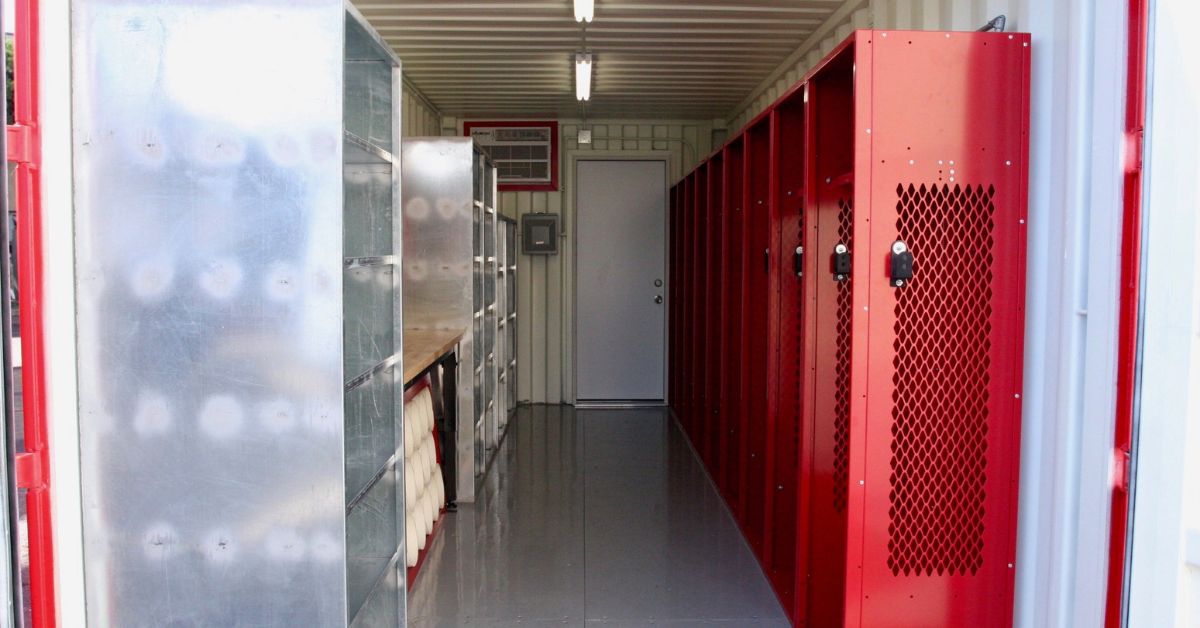
Prioritize Fire Resistance and Explosion Protection
Fire risk ranks as one of the top concerns in chemical storage building design. Flammable and combustible materials can ignite quickly under the right conditions.
Effective designs incorporate:
- Fire-rated wall assemblies
- Self-closing, fire-rated doors
- Explosion-relief panels
- Grounding and bonding systems
- Intrinsically safe electrical fixtures
Proper fire protection does more than meet code. It limits the potential damage from an incident and protects adjacent job site assets. Designers must integrate fire mitigation features early in the planning process rather than adding them later.
Design for Proper Ventilation and Airflow
Chemical vapors can accumulate quickly in enclosed spaces. Poor ventilation creates hazardous atmospheres that threaten worker safety and increase ignition risks.
A well-designed chemical storage building includes:
- Mechanical exhaust systems
- Air intake louvers
- Spark-resistant ventilation fans
- Vapor dispersion planning
Ventilation rates should align with the specific chemicals stored. For example, flammable liquid storage areas require continuous airflow to prevent vapor buildup.
Designers should position ventilation equipment to create consistent air movement across the entire storage area, not just near doors or ceilings.
Incorporate Secondary Containment Systems
Spill control remains a central requirement in chemical storage. A building must prevent leaks from escaping into soil, groundwater, or surrounding structures.
Secondary containment typically includes:
- Liquid-tight floors
- Built-in spill containment sumps
- Bermed entryways
- Raised door thresholds
Most regulations require containment capacity equal to at least 110% of the largest container stored. Designers should verify the exact requirements for each project.
Containment systems should also allow easy inspection and cleanup. Seamless interior surfaces reduce the risk of chemical seepage and simplify maintenance.
Choose Durable, Chemical-Resistant Materials
Material selection plays a major role in long-term performance. Corrosive chemicals can degrade standard building materials quickly.
Design teams should evaluate:
- Steel gauge thickness
- Protective coatings and linings
- Chemical-resistant sealants
- Non-sparking hardware
Epoxy-coated interiors often provide added resistance against chemical damage. Designers should avoid porous materials that absorb liquids.
Durability also affects total cost of ownership. A properly constructed chemical storage building reduces maintenance expenses and extends service life.
Plan for Access Control and Security
Chemical storage areas require controlled access. Unauthorized entry increases the risk of theft, misuse, or accidental exposure.
Design considerations should include:
- Lockable, reinforced doors
- Access control systems
- Security lighting
- Clear hazard labeling
- Restricted entry signage
Large construction sites and industrial facilities often operate around the clock. Secure storage ensures compliance with safety standards and protects valuable materials.
Security design should integrate with existing site protocols for seamless operation.
Ensure Adequate Space and Layout Efficiency
Crowded storage increases risk. Workers need space to move safely, inspect containers, and respond to spills.
An effective layout provides:
- Clear aisle spacing
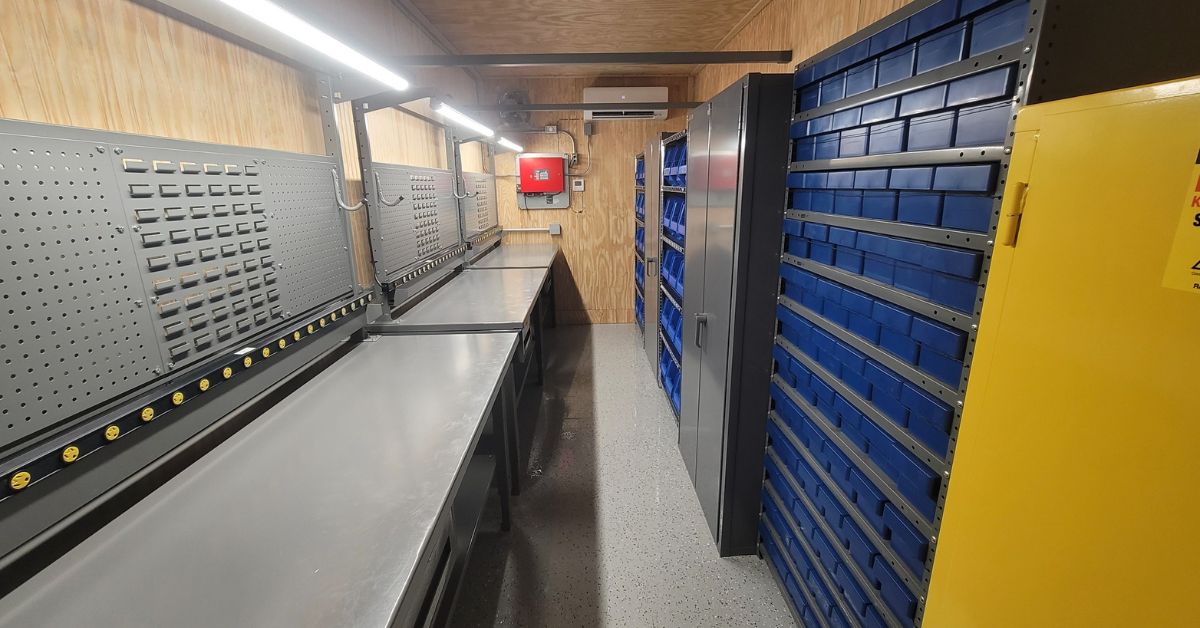
- Proper shelving systems
- Segregation for incompatible materials
- Room for material handling equipment
Designers must account for container size, pallet storage, and drum stacking limits. They should also separate incompatible chemicals according to regulatory guidelines.
Thoughtful layout planning improves workflow efficiency and enhances safety.
Account for Environmental Controls
Temperature fluctuations can affect chemical stability. Some materials require climate control to maintain safe storage conditions.
Design features may include:
- Insulated wall panels
- HVAC systems
- Temperature monitoring equipment
- Humidity control systems
In regions with extreme heat or cold, insulation and environmental controls become even more important. Proper climate regulation protects chemical integrity and reduces risk of container failure.
Environmental planning should align with the specific materials stored and the local climate.
Evaluate Portability and Scalability
Many job sites operate on temporary timelines. Companies often need flexible solutions that move with the project.
Portable chemical storage buildings allow contractors to adapt quickly. Modular designs simplify transport and repositioning. Some projects benefit from custom storage containers that match exact site requirements and hazard classifications.
Scalability also matters for long-term operations. Businesses may need to expand storage capacity as projects grow. Modular systems allow companies to add units without redesigning the entire layout.
Flexible design supports changing operational demands.
Plan for Emergency Response Access
Emergency responders need quick, unobstructed access to chemical storage areas. Design decisions should support fire department operations and spill response.
Considerations include:
- Clear exterior access paths
- Marked shutoff locations
- Visible emergency signage
- Adequate clearance around the structure
Placing storage buildings too close to other structures can hinder emergency response. Designers should confirm spacing requirements with local authorities.
A well-planned layout improves response time and minimizes damage in the event of an incident.
Consider Inspection and Maintenance Accessibility
Routine inspections play a major role in regulatory compliance. A building should allow easy access to containment areas, ventilation systems, and structural components.
Designers should avoid configurations that hide critical systems behind permanent walls or hard-to-reach panels. Removable panels, accessible fan units, and open containment areas simplify maintenance.
A well-designed structure supports ongoing compliance and reduces downtime.
Support Operational Efficiency Without Compromising Safety
Chemical storage building design must balance safety with operational needs. Contractors and facility managers require quick access to materials without sacrificing compliance.
An effective design:
- Keeps materials organized
- Supports safe loading and unloading
- Minimizes travel distance across the job site
- Reduces bottlenecks during peak operations
When storage works efficiently, teams maintain productivity while upholding safety standards.
Final Thoughts on Chemical Storage Building Design
Chemical storage building design demands careful planning and regulatory awareness. Every element — from fire protection to ventilation to containment — plays a role in protecting workers and preventing environmental harm.
Businesses that invest in properly engineered storage solutions reduce risk, improve compliance, and support efficient operations. Whether you manage a large construction project or oversee a permanent industrial facility, thoughtful design choices protect your people and your bottom line.
By focusing on structural integrity, regulatory alignment, and site-specific needs, companies can create storage environments that meet modern safety standards and adapt to evolving project demands.