
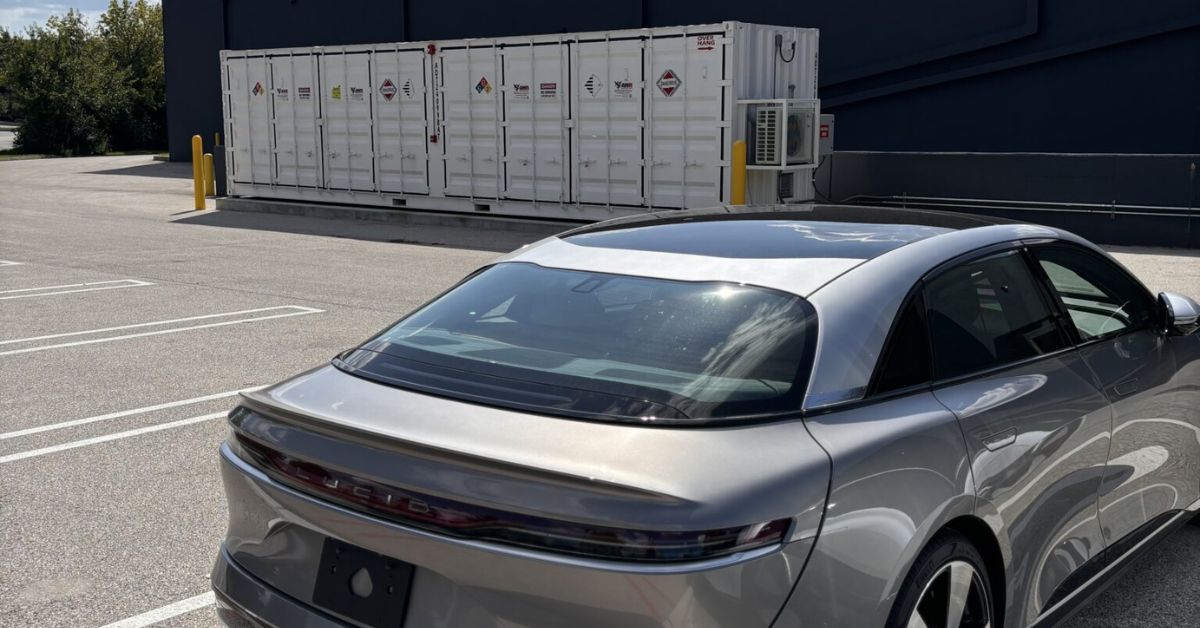
Lithium batteries power the modern world. From the smartphone in your pocket to the forklifts in your warehouse, these energy sources provide efficiency and high power density. However, that same density creates significant volatility. When your business handles, stores, or ships these batteries, you accept a serious responsibility. You face risks that go beyond simple equipment failure. Thermal events can lead to catastrophic fires, toxic gas emissions, and severe regulatory penalties.
Understanding the specific mechanics of these lithium battery risks allows you to mitigate them. Ignorance of the chemical and physical properties of lithium cells often leads to disaster. You must prioritize safety protocols and compliance measures to protect your facility, your employees, and the public. This article details the specific hazards associated with lithium battery logistics and how you can maintain a safe environment.
Why Do Lithium Batteries Catch Fire?
You must first understand the chemistry to understand the risk. Lithium batteries contain a flammable electrolyte and store a tremendous amount of energy in a small space. A thin piece of plastic, known as the separator, keeps the anode and cathode apart. If that separator fails, a short circuit occurs. This short circuit generates intense heat. Unlike a standard fire that requires external oxygen, a battery fire often involves chemical reactions that sustain the heat generation. The electrolyte ignites, and the fire spreads rapidly. You cannot treat these fires like ordinary office fires. They burn hotter and faster.
What is Thermal Runaway?
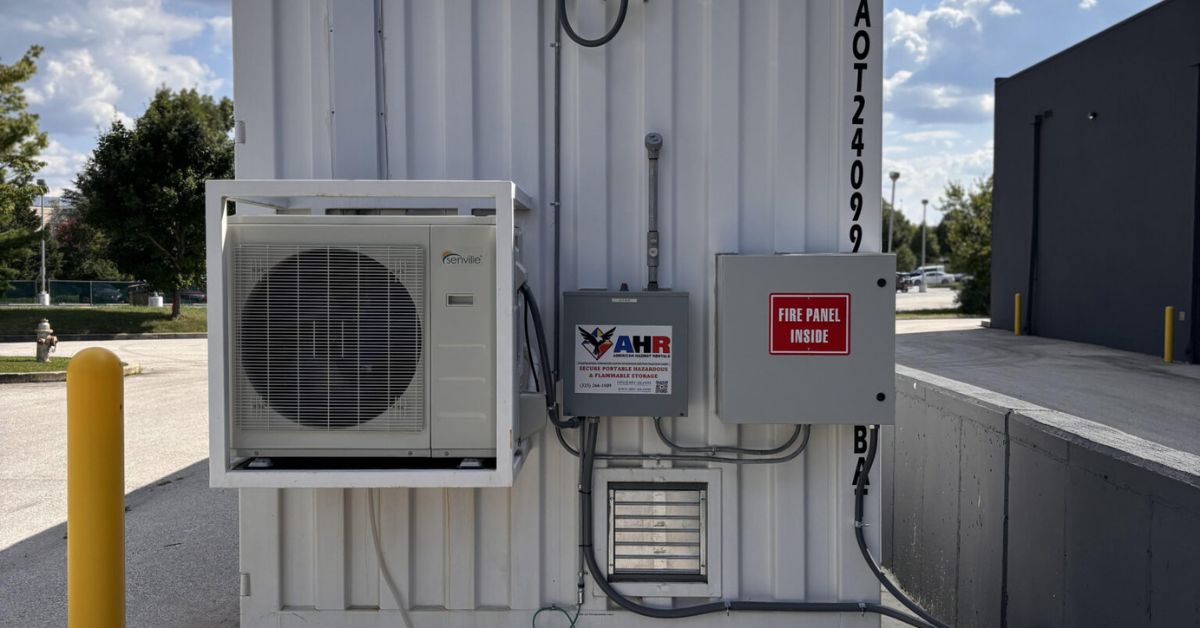
Thermal runaway represents the most important failure mode for lithium batteries. This process starts when a cell generates heat faster than it can dissipate it. The rising temperature triggers chemical reactions that generate even more heat. This positive feedback loop causes the temperature to spike uncontrollably, often reaching over 1,000 degrees Fahrenheit in seconds. When one cell enters thermal runaway, the heat transfers to adjacent cells. This propagation causes a chain reaction that consumes the entire battery pack or storage pallet. You must design your storage solutions to detect and contain this specific phenomenon.
How Does Physical Damage Increase Risk?
Physical impact remains a primary cause of separator failure. A forklift dropping a pallet, a worker crushing a box, or even a small puncture can compromise the internal structure of a battery. You might not see the damage immediately. A dented cell might function normally for days or weeks. However, the internal damage can slowly develop into a short circuit. The battery creates a “ticking clock” scenario. Your team must inspect all incoming shipments for signs of distress. You should treat any dropped battery as potentially compromised and isolate it immediately.
Why is Temperature Control Crucial?
External temperatures directly impact battery stability. High temperatures degrade the internal components and lower the threshold for thermal runaway. Conversely, charging a battery in freezing temperatures can cause metallic lithium to plate onto the anode. This plating eventually pierces the separator and causes a short circuit. Proper Lithium ion battery storage requires strict adherence to temperature guidelines to prevent these chemical instabilities. You must maintain climate-controlled environments that stay within the manufacturer’s specified range. Failing to control the ambient temperature invites chemical degradation and elevates the fire risk profile of your inventory.
What Are the Dangers of Overcharging?
Overcharging forces too much current into the cell, which leads to overheating and chemical instability. While most modern battery packs include a Battery Management System (BMS) to prevent this, the BMS can fail. Cheap or counterfeit batteries often lack robust protection circuits. When a battery receives more energy than it can safely store, the excess energy turns into heat. The cathode becomes unstable and releases oxygen, which fuels the fire from the inside. You must make sure that your charging stations utilize the correct voltage and amperage settings for the specific battery chemistry in use.
How Does Manufacturing Quality Affect Safety?
Not all batteries possess the same build quality. Manufacturing defects, such as microscopic metal particles contaminating the cell during assembly, can create internal short circuits. These defects often lie dormant until the battery undergoes the stress of charging or transport. You cannot visually inspect for these internal defects. Therefore, you must vet your suppliers rigorously. Relying on reputable manufacturers reduces the statistical likelihood of encountering these dangerous flaws.
Why is Proper Packaging Essential for Shipping?
Shipping exerts stress on cargo through vibration, shock, and temperature changes. Packaging serves as the first line of defense. You must prevent the batteries from shifting, crushing, or making contact with conductive materials. Terminals require protection to prevent external short circuits. For loose batteries, you must isolate each one. Regulations require you to use UN-specification packaging tested to withstand drops and stacking pressure. If you cut corners on packaging materials, you invite physical damage during transit. A fire in a cargo hold or a delivery truck endangers everyone on the road or in the air.
What Regulatory Standards Apply to Transport?
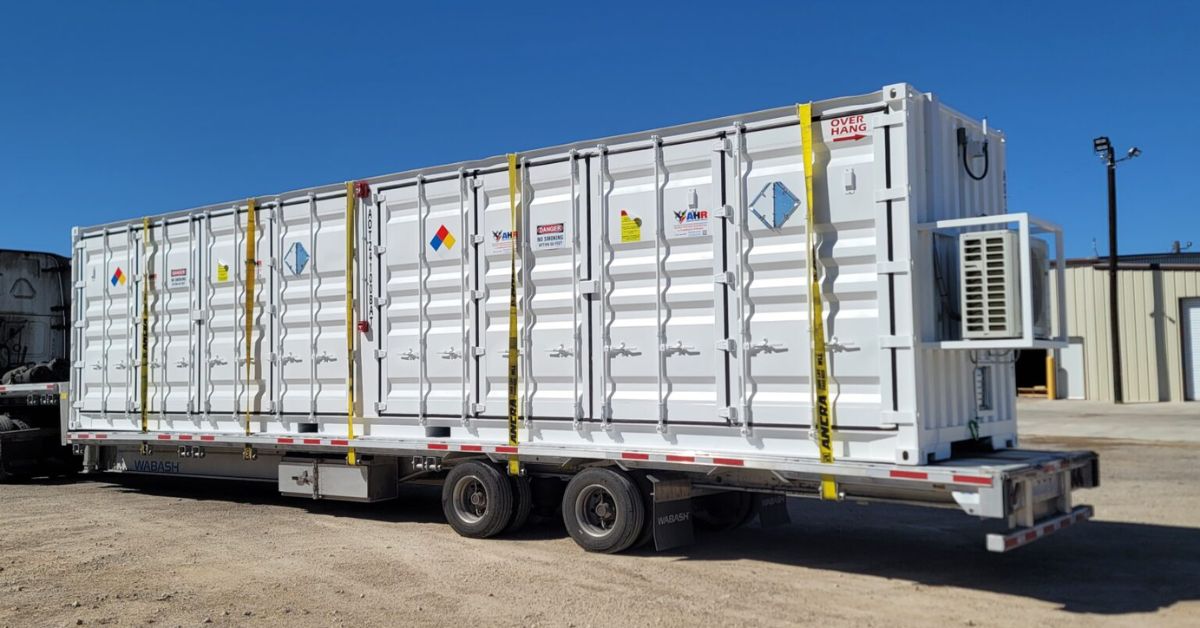
The Department of Transportation (DOT) and international bodies like IATA and IMDG enforce strict rules for hazardous materials. You must classify lithium batteries as Class 9 hazardous goods. The regulations dictate labeling, documentation, and packaging requirements based on the watt-hour rating and the weight of the shipment. You must declare the hazardous nature of the goods to the carrier.
Failure to declare these items carries severe consequences:
- Civil penalties and heavy fines from government agencies.
- Criminal liability if an incident causes injury or death.
- Carrier blacklisting, effectively stopping your ability to ship goods.
- Seizure of non-compliant shipments.
- Increased insurance premiums or policy cancellations.
How Do Old or Damaged Batteries Pose a Threat?
Damaged, Defective, or Recalled (DDR) batteries require specialized handling. You cannot ship these under standard regulations. They pose an imminent threat of fire. Similarly, batteries at the end of their life cycle still retain stranded energy. Even a “dead” battery contains enough charge to spark a fire if crushed or punctured in a recycling stream. You must tape the terminals of used batteries and store them in fire-resistant containers. You need to partner with certified recyclers who understand how to handle hazardous waste safely. Throwing lithium batteries in the general trash creates a fire hazard for municipal waste facilities.
Why is Fire Suppression Challenging?
Lithium battery fires challenge standard suppression methods. Water cools the pile and stops the propagation, but it does not always extinguish the chemical reaction inside the cell. The fire can reignite hours or even days after you think you extinguished it. This reignition occurs because the stranded energy in the remaining cells continues to generate heat. Your facility needs fire suppression systems designed for high-challenge hazards. You must train your local fire department on the specific location and volume of your battery inventory so they can respond with the appropriate tactics.
Prioritizing Safety in Your Operations
The risks associated with lithium batteries remain constant. Physics and chemistry do not take a day off. As your reliance on this technology grows, your commitment to safety must grow with it. You cannot view compliance as a mere checkbox. It represents a vital operational requirement that keeps your business viable. Review your storage configurations today. Audit your shipping procedures. Verify that your staff understands the gravity of the materials they handle. Taking proactive steps now prevents devastating losses later.