
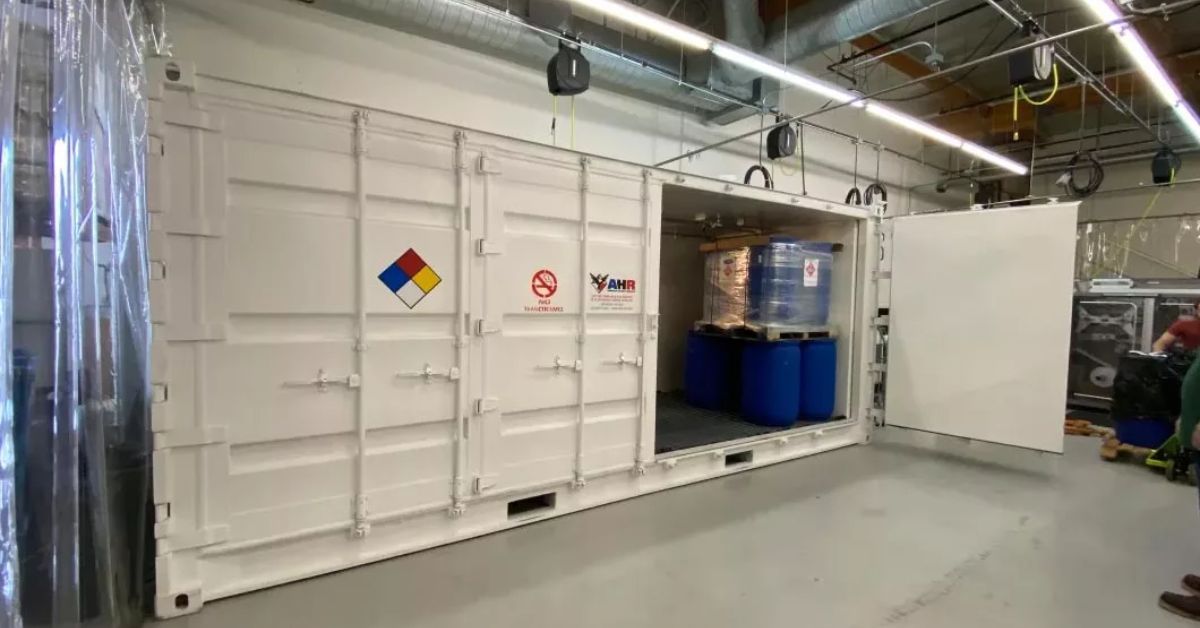
Contractors and facility managers handle aqueous and flammable waste on a regular basis. Paint residues, solvents, wash water, fuels, oils, and contaminated liquids all require careful storage and disposal. If you mismanage these materials, you increase the risk of fires, environmental damage, regulatory penalties, and job site shutdowns.
You need a clear process that keeps your crew safe and your project compliant. The following information explains how to store and dispose of aqueous and flammable waste correctly while maintaining efficiency on an active job site.
Understand the Difference Between Aqueous and Flammable Waste
You cannot store or dispose of all liquid waste the same way. Start by identifying what type of waste you generate.
Aqueous waste typically contains water as the primary component. Examples include:
- Wash water from equipment cleaning
- Water mixed with mild chemicals
- Non-flammable cleaning solutions
- Wastewater with low concentrations of contaminants
Flammable waste includes liquids that ignite easily. Examples include:
- Solvents
- Oil-based paints
- Fuel residues
- Thinners
- Certain adhesives and coatings
Each category carries specific hazards. Aqueous waste may create environmental risks if you discharge it improperly. Flammable waste creates fire and explosion hazards if you store it incorrectly.
You must classify waste accurately before you choose containers, storage units, and disposal methods.
Identify and Classify Waste Properly
Before you move any material into storage, review its Safety Data Sheet (SDS). The SDS outlines:
- Flash point
- Chemical composition
- Reactivity
- Environmental hazards
- Required storage conditions
Train your supervisors to verify this information during waste accumulation. Never rely on assumptions. Many liquids that appear harmless can contain flammable components or regulated contaminants.
Clear labeling supports compliance and prevents accidents. Mark every container with:
- The full chemical name
- Hazard class
- Accumulation start date
- Responsible department or contractor
Accurate classification drives every storage and disposal decision that follows.
Choose the Right Containers for Liquid Waste
You must store aqueous and flammable waste in approved containers that match the hazard level.
For flammable liquids, use metal safety cans or approved flammable-rated drums. These containers reduce vapor release and limit ignition risks. Self-closing lids and flame arresters add another layer of protection.
For aqueous waste, select corrosion-resistant containers that prevent leaks. Many aqueous solutions still contain regulated contaminants, so you must avoid standard trash bins or open barrels.
Never overfill containers. Leave adequate headspace to allow for expansion. Inspect containers regularly for rust, dents, bulging, or signs of deterioration.
Strong container management prevents spills, fires, and environmental violations.
Segregate Incompatible Materials
You should never mix incompatible wastes. Mixing chemicals can create dangerous reactions, toxic gases, or heat buildup.
Keep flammable waste separate from:
- Oxidizers
- Acids
- Reactive metals
- Compressed gases
Also separate aqueous waste streams if they contain different contaminants. For example, do not mix solvent-contaminated water with heavy metal wastewater unless regulations allow it.
Segregation reduces risk and simplifies disposal. It also lowers disposal costs in many cases because you avoid contaminating otherwise manageable waste streams.
Store Flammable Waste in Approved Containment Units
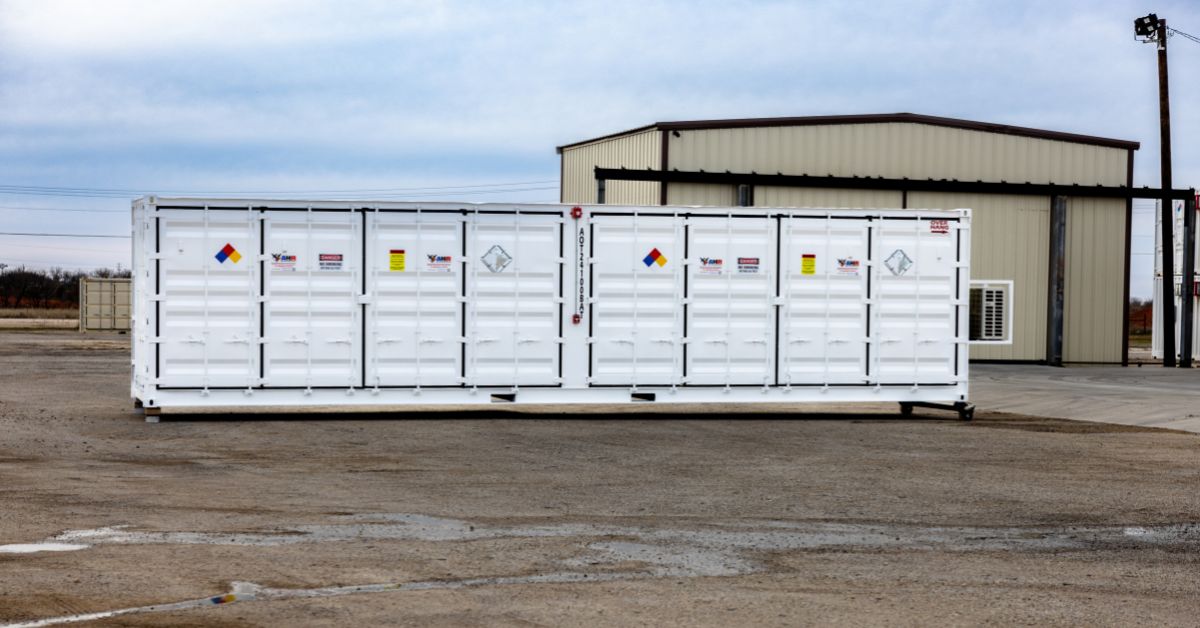
Flammable liquids require specialized storage environments. You cannot leave drums of solvent or fuel in open areas of the job site.
Use approved flammable storage cabinets or outdoor containment systems that provide:
- Fire-resistant construction
- Proper ventilation
- Secondary containment
- Lockable access
Many contractors rely on dedicated hazmat storage units that meet fire code requirements and protect materials from weather exposure. These units create a controlled environment that minimizes ignition sources and restricts unauthorized access.
If your project involves large volumes of paint or coatings, you may already use flammable paint storage solutions to manage those materials safely. Apply the same standards to flammable waste generated during the project.
Proper storage infrastructure protects workers and keeps your operation aligned with OSHA and fire code expectations.
Manage Secondary Containment for Spill Prevention
Secondary containment acts as your safety net. It captures leaks and spills before they spread into soil, drains, or work areas.
You should place all liquid waste containers inside containment systems that hold at least 110% of the largest container’s volume. Options include:
- Spill pallets
- Bermed containment areas
- Double-walled storage units
- Containment sumps inside storage buildings
Secondary containment plays a critical role on active construction sites where uneven surfaces and heavy equipment increase the chance of accidental impact.
Regularly inspect containment systems for standing liquid, cracks, or structural damage. Remove accumulated rainwater only after you confirm that it does not contain contaminants.
Control Ignition Sources Near Flammable Waste
Flammable waste presents an obvious fire hazard. You must control the surrounding environment to reduce ignition risk.
Keep storage areas away from:
- Welding operations
- Open flames
- Electrical panels
- Heavy vehicle traffic
- Smoking zones
Post clear signage that identifies flammable hazards. Install grounding and bonding systems when transferring liquids between containers to prevent static discharge.
Fire extinguishers rated for flammable liquids should remain accessible near storage areas. Train employees on emergency response procedures so they can act quickly if a fire starts.
Active hazard control prevents small mistakes from escalating into major incidents.
Understand Regulatory Requirements for Disposal
Federal, state, and local regulations govern hazardous waste disposal. You must determine whether your aqueous or flammable waste qualifies as hazardous under EPA guidelines.
Key regulatory considerations include:
- Ignitability
- Corrosivity
- Reactivity
- Toxicity
If waste meets hazardous criteria, you must:
- Use a licensed hazardous waste transporter
- Complete required manifests
- Send waste to a permitted treatment, storage, or disposal facility (TSDF)
Even non-hazardous aqueous waste may require controlled disposal through approved wastewater treatment systems.
Never dump liquid waste into storm drains, soil, or general trash. Improper disposal can trigger severe fines and project shutdowns.
Consult environmental compliance professionals when questions arise. Proactive compliance protects your business reputation and your bottom line.
Train Your Team on Waste Handling Protocols
Your storage system only works if your team understands it. Provide regular training that covers:
- Waste identification
- Proper container use
- Spill response procedures
- Fire prevention practices
- Regulatory responsibilities
Supervisors should reinforce expectations during safety meetings. New hires should receive orientation on hazardous waste handling before they begin work.
Clear training reduces human error, which remains one of the most common causes of hazardous material incidents.
Use Proper Storage Infrastructure to Simplify Compliance
Temporary job sites often struggle with consistent hazardous waste management. Weather exposure, shifting layouts, and multiple subcontractors create complexity.
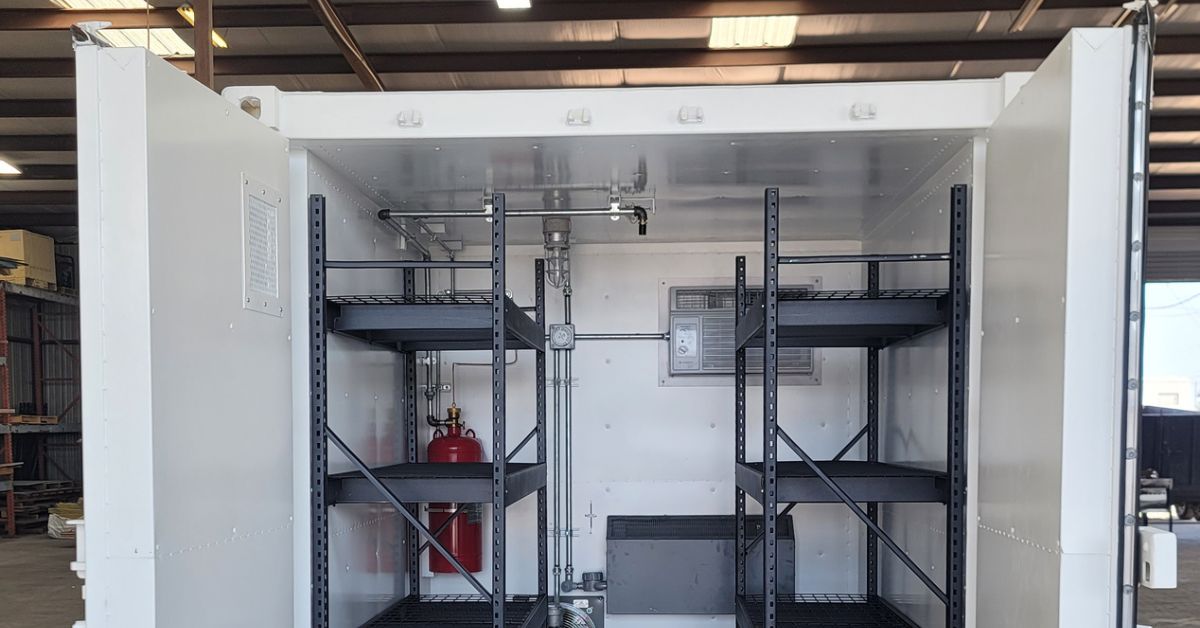
Dedicated hazardous material storage units provide structure. They centralize waste accumulation, protect containers from the elements, and create clear separation from active work zones.
American Hazmat Rentals provides national HAZMAT storage solutions and rentals designed specifically for contractors and large-scale operations. These solutions help businesses manage hazardous materials safely while supporting regulatory compliance.
When you invest in appropriate storage infrastructure, you reduce fire risk, prevent spills, and maintain an organized site.
Final Thoughts on Managing Aqueous and Flammable Waste
Storing and disposing of aqueous and flammable waste requires discipline, knowledge, and the right equipment. You must classify waste accurately, use approved containers, segregate incompatible materials, and rely on compliant storage systems.
You also need structured inspection routines, trained personnel, and licensed disposal partners. When you follow these practices consistently, you protect your workers, your project timeline, and the environment.
Hazardous waste management does not have to disrupt productivity. With proper planning and purpose-built storage solutions, you can maintain compliance and keep your job site operating smoothly from start to finish.