
Lithium-ion batteries power everything from electric vehicles to industrial equipment. As businesses adopt more battery-powered technology, they face growing challenges with safe battery storage. One critical safety measure involves battery quarantine, which helps prevent damaged or unstable batteries from creating dangerous conditions.
Battery storage quarantine involves separating batteries that show signs of damage, defects, or unusual behavior from healthy battery inventory. This precaution helps businesses reduce fire risks, protect workers, and maintain safer storage environments.
Understanding when and why battery quarantine becomes necessary can help facility managers develop effective safety procedures. Whether a business handles large battery packs or smaller industrial batteries, proper quarantine practices play an important role in hazardous material management.
What Is Battery Storage Quarantine?
Battery storage quarantine refers to the controlled isolation of batteries that may present safety hazards. Facilities use designated quarantine areas to separate questionable batteries from normal storage operations until qualified personnel can evaluate them.
Unlike standard battery storage, quarantine requires additional precautions based on the battery’s condition and potential hazards.
Quarantine procedures often involve restricting access, monitoring battery conditions, and establishing clear handling requirements. The goal involves preventing an unstable battery from affecting nearby equipment or personnel.
Businesses should develop quarantine procedures before problems arise rather than improvising during an emergency.
Why Is Battery Quarantine Necessary?
Lithium-ion batteries contain significant amounts of stored energy. When internal components experience damage or malfunction, that energy can create hazardous conditions.
One particularly serious concern involves thermal runaway. This process occurs when internal battery temperatures rise uncontrollably, potentially triggering fires or releasing hazardous gases.
A failing battery can also affect neighboring batteries, creating additional safety concerns.
Quarantine helps businesses limit these risks by separating potentially dangerous batteries from regular inventory. However, isolation alone cannot eliminate the possibility of thermal runaway.
Facilities must combine quarantine procedures with appropriate storage equipment, emergency planning, and trained personnel.
When Should a Battery Enter Quarantine?
Businesses should quarantine batteries whenever their condition raises reasonable safety concerns.
Certain warning signs indicate that a battery may require immediate attention:
- Visible swelling, punctures, or damaged casings
- Unusual heat during storage or handling
- Leaking fluids or unfamiliar odors
- Evidence of smoke, sparking, or overheating
- Exposure to flooding or significant physical impacts
- Manufacturer recalls involving potential safety defects
These conditions require different responses depending on their severity.
For example, a battery that produces smoke or excessive heat may require emergency isolation procedures rather than routine quarantine handling.
Workers should never attempt to move a battery that presents an immediate danger without appropriate training and an established emergency response plan.
How Does Physical Damage Affect Battery Safety?
Physical damage can compromise the internal structure of a lithium-ion battery.
Impacts, crushing forces, and punctures may damage separators that prevent internal electrical components from contacting each other. When these protective barriers fail, internal short circuits can develop.
Some batteries show obvious damage immediately. Others experience internal deterioration without visible external symptoms.
This uncertainty makes quarantine particularly important after significant mechanical impacts.
Facilities that handle industrial equipment or electric vehicle components should establish inspection procedures for batteries following accidents.
Qualified personnel can then determine whether the battery requires additional testing, specialized storage, or disposal.
Why Do Defective Batteries Require Isolation?
Manufacturing defects can create safety concerns even when batteries appear physically intact. Problems involving internal connections, separators, or electrical components may increase the likelihood of unexpected failures.
Manufacturers sometimes issue recalls after identifying defects that affect particular battery models or production batches.
When businesses receive recall notices, they should review the manufacturer’s instructions before continuing normal storage or operation. Some recalls require immediate isolation, while others specify different precautions.
Facility managers should maintain accurate battery identification records so they can locate affected units quickly.
This approach helps businesses respond efficiently without unnecessarily disrupting unaffected inventory.
How Does Thermal Runaway Influence Quarantine Decisions?
Thermal runaway represents one of the most serious hazards associated with lithium-ion batteries.
The process can begin when internal failures generate more heat than the battery can safely dissipate. Rising temperatures may accelerate chemical reactions and create additional heat.
In severe cases, batteries can release flammable gases, ignite, or experience violent failures.
A battery undergoing thermal runaway may also expose surrounding batteries to dangerous temperatures.
Quarantine procedures should account for this possibility through appropriate separation distances and engineered protective measures.
Facilities should consult qualified fire protection professionals when determining suitable quarantine arrangements.
Importantly, workers should treat suspected thermal runaway as an emergency rather than a routine storage issue.
What Makes an Effective Battery Quarantine Area?
An effective quarantine area provides controlled conditions that match the hazards of the batteries inside it.
Location plays an important role. Facilities should evaluate nearby combustible materials, occupied workspaces, and emergency access routes before selecting a quarantine location.
The storage arrangement should also limit opportunities for fire propagation.
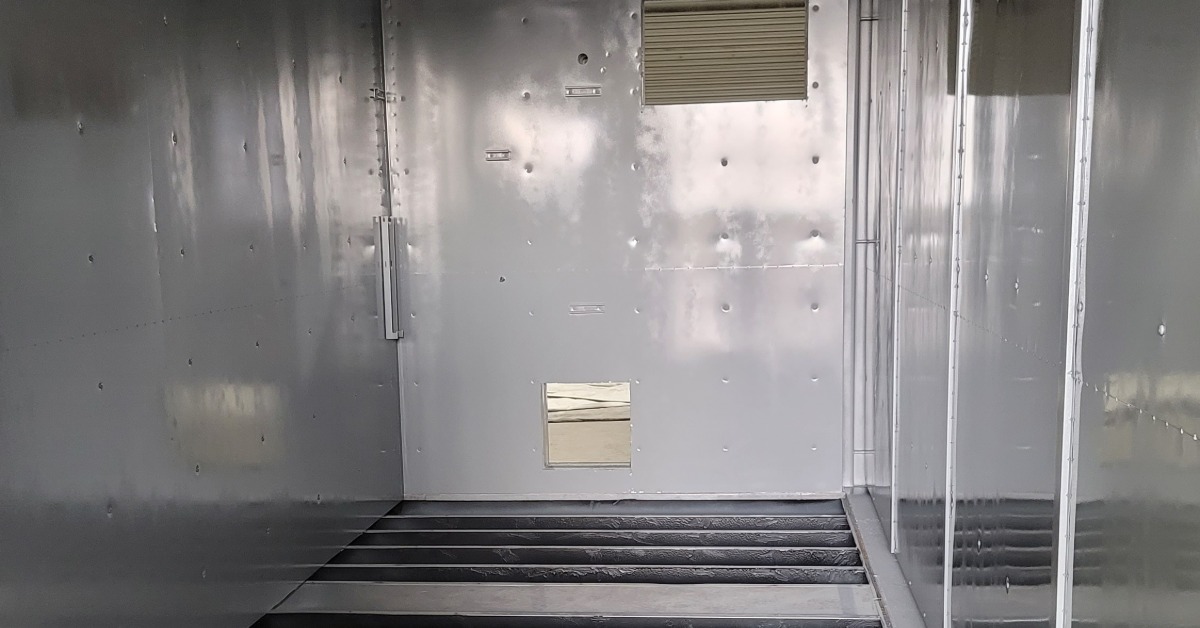
Depending on the battery type and risk assessment, appropriate protective measures may include fire-resistant construction, temperature monitoring, or specialized containment systems.
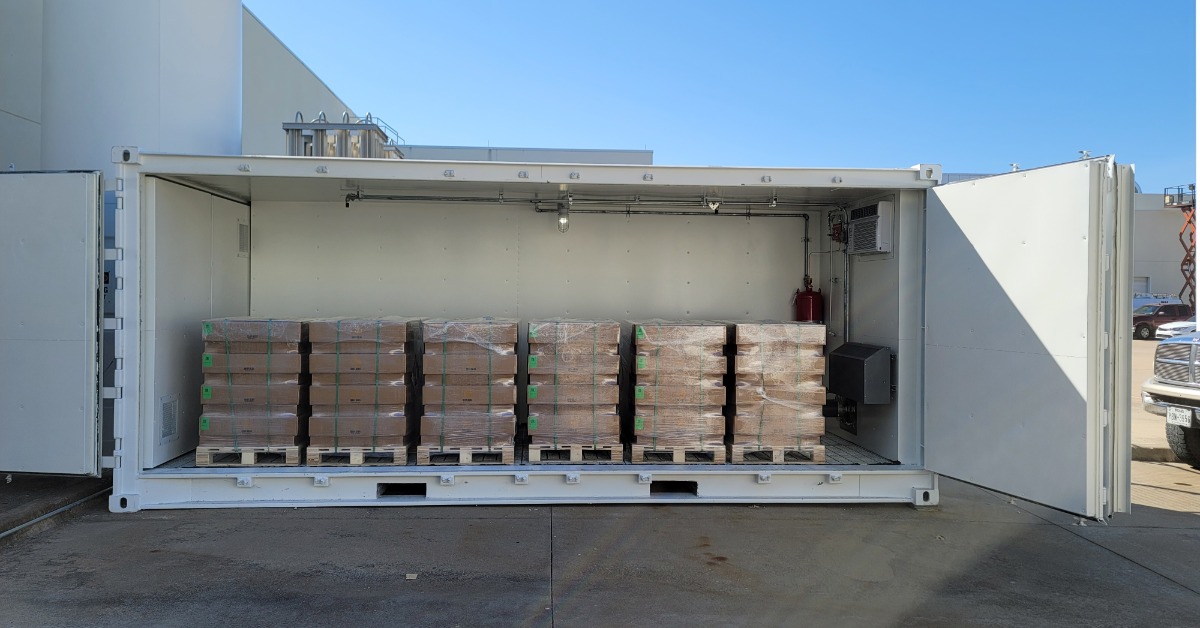
Businesses should avoid assuming that an ordinary shipping container provides adequate protection against battery fires.
Quarantine areas must also accommodate safe inspection and eventual removal of affected batteries.
Facility managers should coordinate these requirements with applicable fire codes and local authorities.
How Can Specialized Storage Containers Support Quarantine?
Specialized storage containers can help businesses establish dedicated areas for questionable battery inventory.
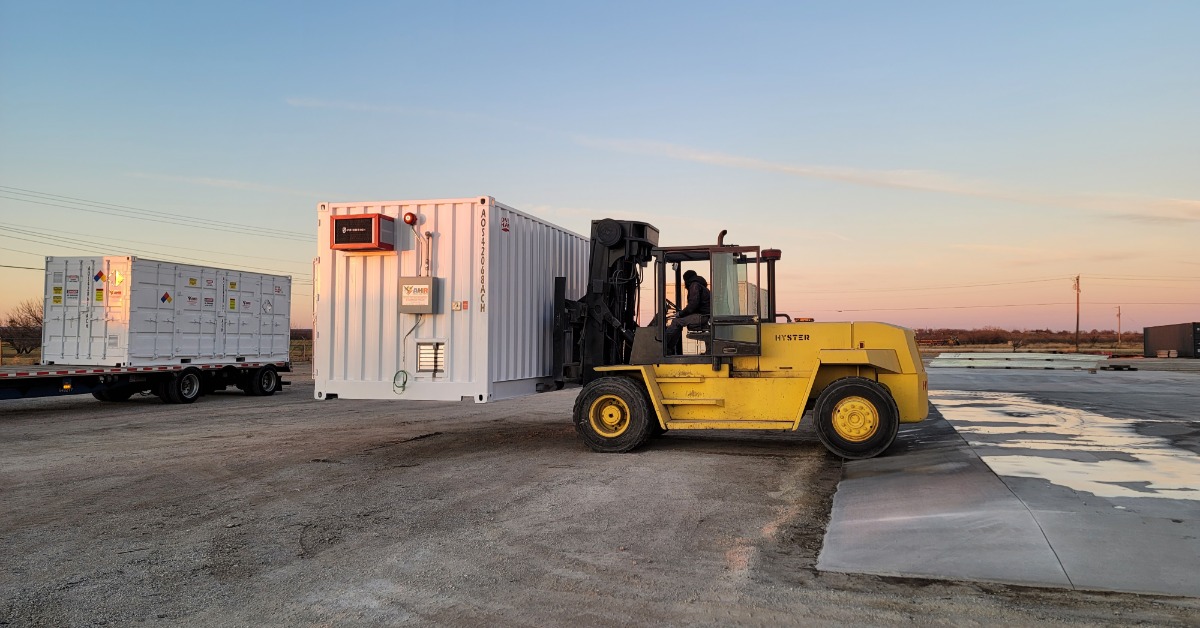
For facilities managing large battery packs, EV battery storage solutions may provide useful options when their design addresses the specific hazards involved.
However, not every container offers the same protective capabilities.
Businesses should evaluate construction materials, fire protection features, ventilation requirements, and manufacturer limitations before selecting equipment.
The appropriate solution depends on battery chemistry, energy capacity, physical condition, and the likelihood of failure.
Portable storage arrangements may offer additional flexibility when operations change or temporary quarantine capacity becomes necessary.
Facilities should confirm that their selected equipment supports the intended quarantine application rather than relying on general hazardous material storage claims.
Who Should Handle Batteries Under Quarantine?
Only personnel with appropriate training should inspect or handle potentially unstable batteries.
Workers need to recognize warning signs and understand when conditions require immediate evacuation or emergency assistance.
Training should also cover safe handling limitations and facility-specific response procedures.
For example, employees should know whom to notify when they discover a swollen battery or damaged battery pack. Businesses should establish clear responsibilities for quarantine decisions.
Qualified technicians may evaluate battery conditions, while safety managers coordinate storage requirements and emergency planning.
This division of responsibilities helps prevent unnecessary handling and supports consistent safety practices throughout the facility.
How Long Should Batteries Remain in Quarantine?
Battery quarantine does not follow one universal timeline.
The appropriate duration depends on the reason for isolation, manufacturer recommendations, and the results of a qualified technical assessment.
Some batteries may require observation before personnel can determine their condition. Others may need continued isolation until a specialized contractor arranges safe removal.
Facilities should avoid automatically returning batteries to normal inventory after a predetermined waiting period.
A battery that appears stable may still contain internal damage.
Before releasing a battery from quarantine, qualified personnel should document their assessment and confirm that the battery meets applicable safety requirements.
How Should Businesses Prepare for Battery Quarantine Emergencies?
Emergency planning helps facilities respond quickly when quarantined batteries become unstable.
Businesses should establish procedures for identifying dangerous conditions and notifying emergency responders.
Emergency plans should address evacuation routes, restricted access, and communication with local fire departments.
Facilities should also provide responders with information about battery chemistry, storage quantities, and known hazards. Regular training helps employees understand their responsibilities during an incident. Most importantly, businesses should never assume that quarantine prevents every battery failure.
Effective emergency planning recognizes that hazardous conditions can develop even after personnel isolate a questionable battery.
Why Does Proactive Quarantine Planning Matter?
Battery quarantine works best when businesses incorporate it into their broader hazardous material management programs.
Waiting until a battery fails can leave facilities without suitable storage space or established procedures.
Proactive planning allows managers to evaluate risks, select appropriate equipment, and train employees before emergencies occur.
Businesses should also review quarantine procedures as battery technologies and operational requirements evolve.