
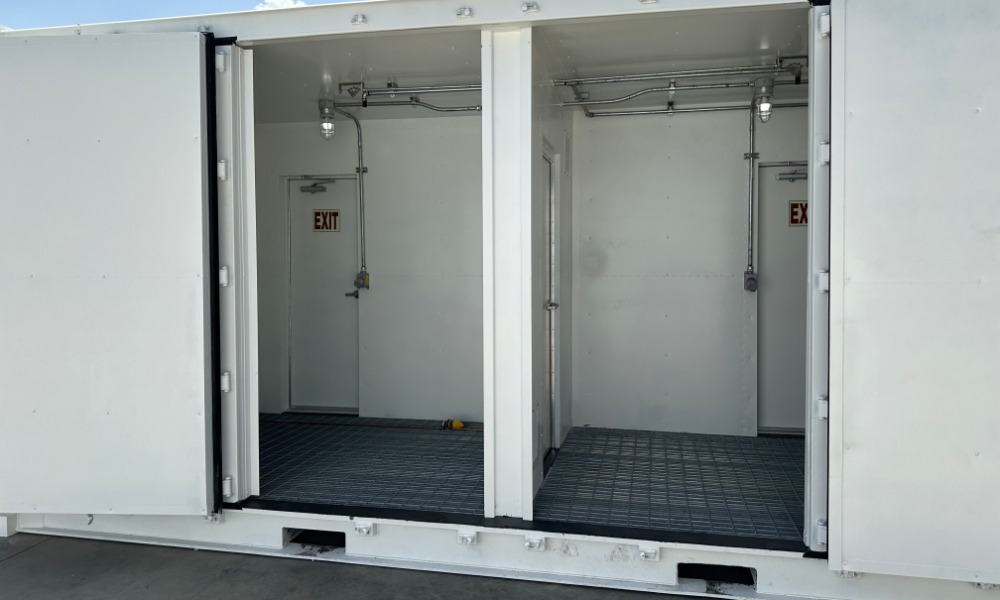
Hazardous material storage requires a lot of planning. Every facility presents different challenges, from limited space and uneven terrain to nearby buildings, vehicle traffic, weather exposure, and operational demands.
Companies need storage solutions that address these conditions while supporting safe material handling and efficient daily operations. A storage configuration that works well at a large industrial facility may not fit a crowded construction site or shipyard.
Careful planning helps businesses account for their site’s limitations before those limitations create safety or workflow problems. Understanding the major factors that affect hazmat storage design can help facility managers, contractors, and safety teams make better decisions.
How Does Available Space Affect Hazmat Storage Design?
Available space often determines the basic size and configuration of a storage area. Large facilities may have several potential locations, while crowded industrial and construction sites may offer only a few practical options.
Teams should consider more than the storage unit’s footprint. Workers need enough room to access doors, move containers, inspect stored materials, and respond to emergencies. Forklifts, trucks, and other equipment may also need adequate clearance.
A compact location can still support effective hazardous material storage, but it requires thoughtful planning. Selecting an appropriately sized unit can help a facility use available space without interfering with surrounding operations.
Why Does Site Access Matter?
A suitable storage location must remain accessible throughout the project or facility’s operations. Delivery vehicles need a practical route to the site, and crews need enough room to position or remove the storage unit.
Narrow gates, tight turns, low overhead clearances, and congested staging areas can complicate delivery. Teams should identify these obstacles before selecting a storage solution.
Access considerations continue after installation. Workers may need to transport drums, containers, equipment, or other materials to and from the unit regularly. A location that creates unnecessary travel or difficult material handling can reduce efficiency and introduce additional risks.
How Does Terrain Influence Container Placement?
Ground conditions play an important role in storage planning. A stable, level surface helps support the storage structure and allows workers to move around the area more safely.
Sloped, soft, muddy, or irregular ground may require additional site preparation. Drainage also deserves attention because standing water can interfere with access and create problems around the storage area.
Teams should evaluate seasonal conditions as well. Ground that remains firm during dry weather may become difficult to navigate after heavy rain or winter conditions. Evaluating terrain early allows site managers to address potential issues before placing a unit.
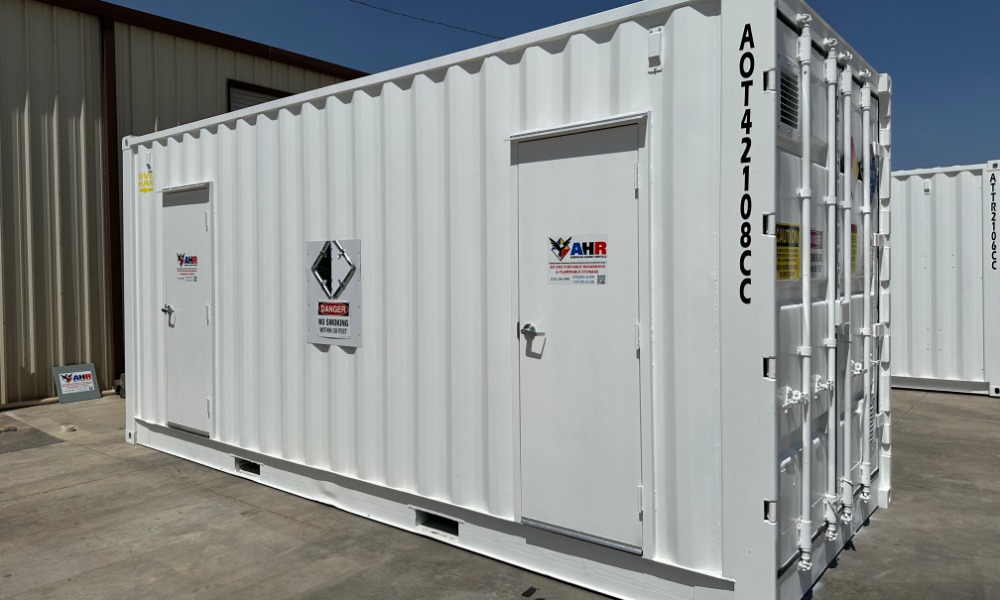
How Should Nearby Operations Affect Storage Location?
Hazmat storage rarely operates in isolation. Construction activities, manufacturing processes, loading areas, equipment movement, and pedestrian traffic may surround the proposed location.
Teams should consider how these activities could affect storage operations and how the storage area could affect them. Heavy vehicle traffic near the unit, for example, may increase the potential for accidental impact.
The goal should involve creating a practical location that supports storage needs without disrupting normal operations. Thoughtful placement can also make inspections, inventory management, and material transfers easier for workers.
What Role Does the Type of Hazardous Material Play?
The materials themselves should shape the storage design. Different substances can present fire, chemical, environmental, or compatibility concerns.
Before selecting a configuration, teams should identify what they plan to store, how much material the site will hold, and how workers will use it. Safety data sheets and applicable regulatory requirements can help inform these decisions.
Storage needs may also change over time. A project that starts with a small quantity of one material could eventually require additional capacity or accommodation for different substances. Planning for realistic future needs can prevent unnecessary storage changes later.
How Can Fire Risks Affect Storage Requirements?
Facilities that store flammable or combustible materials need to consider potential ignition sources, nearby structures, and site-specific fire protection needs.
The appropriate approach depends on the materials, quantities, location, and applicable requirements. Teams should evaluate these factors before choosing a storage unit or placement area rather than trying to solve fire protection concerns after installation.
Facilities may also need to consider fire-rated storage options depending on their circumstances. Early coordination with safety personnel and other relevant authorities can help identify requirements before the storage unit arrives.
Why Is Secondary Containment Important?
Spills and leaks can create serious problems when hazardous materials reach soil, drains, waterways, or active work areas. Secondary containment helps control released liquids and limits their spread.
Site conditions can influence how teams approach containment. Facilities should consider the materials they store, container sizes, expected quantities, and applicable regulations when determining their needs.
Drainage patterns also matter. A storage location near storm drains or areas where water naturally collects may require additional consideration. Teams should understand where a spill could travel before choosing the final placement area.
How Can Ventilation Requirements Shape the Design?
Some hazardous materials can release vapors, which makes ventilation an important design consideration. However, ventilation needs vary according to the materials and storage conditions.
Teams should review the hazards associated with the substances they plan to store and choose a solution that addresses those conditions appropriately. They should never assume that one ventilation approach works for every application.
Site layout can influence ventilation planning as well. Nearby walls, structures, equipment, or enclosed areas may affect airflow around a storage unit, so planners should consider the surrounding environment along with the unit itself.
What Should Sites Consider About Security?
Hazardous material storage requires controlled access. Unauthorized workers, visitors, vandals, or trespassers should not have easy access to potentially dangerous substances.
Security planning may include locks, fencing, controlled entry areas, lighting, surveillance, or placement within a monitored portion of the facility. The right approach depends on the location and site operations.
Teams should balance security with accessibility. Authorized personnel still need efficient access for inspections, inventory checks, and material handling.
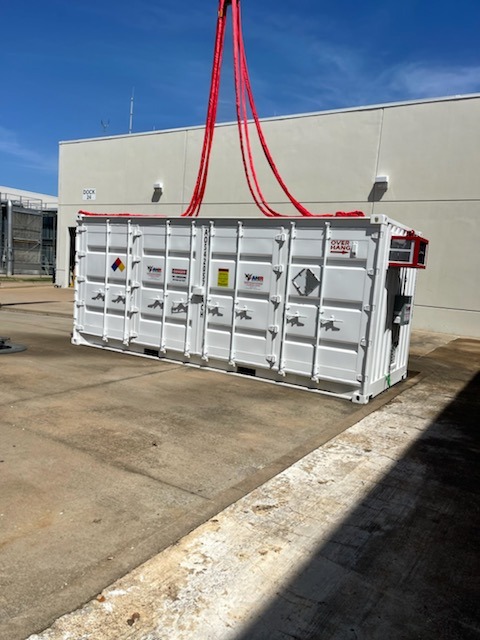
How Can Weather and Climate Affect Hazmat Storage?
Outdoor storage solutions face environmental conditions throughout the year. Heat, cold, wind, rain, snow, and direct sunlight can influence both the storage structure and the materials inside it.
Local conditions should therefore factor into planning. Sites in areas with extreme temperatures may have different needs than facilities in moderate climates.
Stormwater management deserves particular attention. Teams should consider drainage around the unit and avoid locations that regularly collect water. Severe weather planning may also require facilities to evaluate anchoring, placement, and emergency procedures based on local risks.
When Does a Site Need a Customized Storage Configuration?
Standard storage units can meet many applications, but unusual facilities sometimes require a more tailored approach. Limited footprints, unusual access points, specialized material-handling processes, or specific operational needs may affect the preferred configuration.
Options such as custom built shipping containers can help organizations address situations where a conventional configuration does not align with the available space or workflow.
Customization should solve a defined operational or safety problem rather than add unnecessary complexity. Teams should first identify their constraints and then determine which features directly address them.
Why Should Businesses Plan for Changing Site Conditions?
Construction sites, shipyards, industrial facilities, and temporary projects rarely remain static. Equipment moves, work zones expand, access routes change, and material requirements evolve.
Storage planning should account for these changes whenever possible. Rental solutions can offer flexibility when a project requires hazardous material storage for a limited period or when storage needs may shift between phases.
American Hazmat Rentals provides hazardous material storage rental options for businesses across the country. Evaluating site constraints, material requirements, access, and operational needs before selecting a unit can help companies create a storage arrangement that supports safer and more efficient operations from the start.