
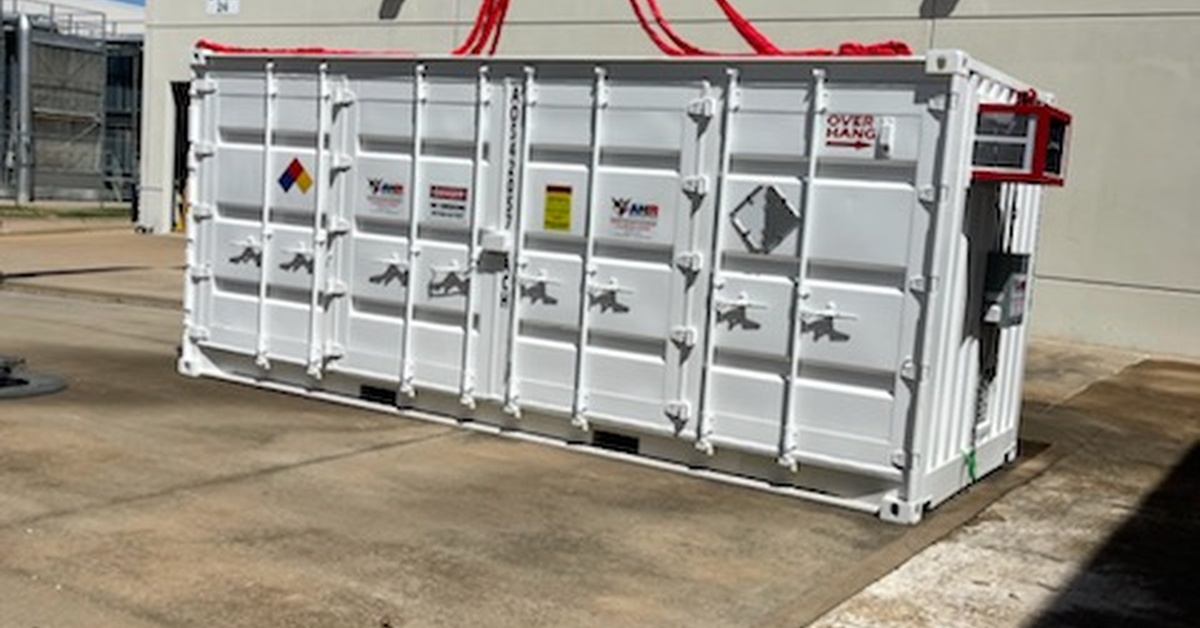
ISO containers transformed global trade, logistics, storage, and transportation. Before standardized containers entered the market, companies loaded and unloaded cargo piece by piece. That process consumed time, increased labor costs, and created countless opportunities for damage and loss.
Today, ISO containers move goods across oceans, railways, highways, and industrial facilities with remarkable efficiency. Their standardized dimensions and construction allow businesses to transport products safely while simplifying logistics planning.
Understanding the evolution of ISO containers helps businesses appreciate why these units remain essential across industries and why they continue to adapt to modern demands.
What Is an ISO Container?
An ISO container is a standardized shipping container that complies with specifications established by the International Organization for Standardization (ISO). These standards ensure that containers maintain consistent dimensions, structural integrity, and compatibility across transportation systems.
Because manufacturers follow the same standards, shipping lines, trucking companies, rail operators, and storage providers can handle containers seamlessly. This consistency forms the foundation of modern intermodal transportation.
ISO containers typically feature durable steel construction, secure locking mechanisms, and designs that support stacking and long-distance transportation.
How Cargo Moved Before ISO Containers
Before containerization, shipping companies relied on break-bulk cargo handling. Workers loaded individual crates, barrels, sacks, and boxes onto ships one piece at a time.
This approach created several challenges:
- Loading and unloading required significant labor.
- Cargo often suffered damage during handling.
- Theft occurred more frequently.
- Ships remained in port for extended periods.
- Transportation costs remained high.
Businesses struggled with inefficiencies throughout the supply chain. Transportation delays affected manufacturers, distributors, retailers, and customers alike.
The shipping industry needed a more efficient solution.
Who Invented the Modern Shipping Container?
Many innovators contributed to container transportation, but Malcom McLean often receives credit for revolutionizing the industry.
McLean, a trucking entrepreneur, recognized the inefficiencies involved in moving cargo between trucks and ships. He envisioned a system where workers could transfer entire containers instead of unloading individual items.
In 1956, McLean launched one of the first successful containerized shipping operations. His approach dramatically reduced loading times and labor requirements.
The concept quickly gained attention because it solved major logistical challenges that businesses faced every day.
Why Standardization Changed Everything
Early container systems lacked universal standards. Different companies used different sizes and designs, which limited compatibility.
The introduction of ISO standards changed that reality.
Standardization allowed transportation providers to use the same equipment across multiple shipping modes. Cranes, trucks, railcars, and vessels could accommodate containers built to the same specifications.
As a result, businesses gained:
- Faster cargo handling
- Lower transportation costs
- Improved supply chain efficiency
- Better cargo protection
- Greater international compatibility
These advantages accelerated the adoption of containerized shipping worldwide.
How ISO Standards Developed
The International Organization for Standardization introduced container standards during the 1960s. These standards established specifications for dimensions, corner fittings, strength requirements, testing procedures, and identification systems.
Manufacturers gained a consistent framework for production. Transportation companies gained confidence that containers would function properly throughout global logistics networks.
The standards also encouraged investment in specialized infrastructure. Ports, rail terminals, and shipping companies could develop equipment knowing it would work with standardized containers.
What Are the Most Common ISO Container Sizes?
Although ISO standards support several container configurations, a few sizes dominate the market.
The 20-foot container remains one of the most widely used options. Many businesses prefer it for dense cargo because it balances capacity with manageable weight distribution.
The 40-foot container offers additional storage volume and serves as a cornerstone of international shipping.
High-cube containers provide extra vertical clearance, making them useful for bulky cargo that requires additional height.
These standardized dimensions simplify planning and improve transportation efficiency across global supply chains.
How Container Design Improved Over Time
Early containers focused primarily on cargo transportation. As industries evolved, container designs expanded to address a wider range of operational requirements.
Manufacturers introduced improvements such as:
- Stronger steel construction
- Enhanced corrosion resistance
- Improved door seals
- Better locking systems
- Reinforced flooring materials
- Advanced ventilation options
These innovations increased durability and expanded the range of applications for ISO containers.
Modern containers withstand harsh environmental conditions while protecting valuable inventory, equipment, and materials.
How ISO Containers Revolutionized Global Trade
Containerization reshaped international commerce in ways few innovations have achieved.
Before standardized containers, moving goods between countries required extensive handling at every stage of transportation. Containerization eliminated many of those touchpoints.
Manufacturers gained access to larger markets. Retailers expanded sourcing options. Shipping companies reduced operational expenses.
As transportation costs declined, businesses could distribute products more efficiently across continents.
Many economists consider containerization one of the most influential developments in modern trade because it enabled the growth of complex global supply chains.
Why Industries Beyond Shipping Use ISO Containers
Although ISO containers originated within the transportation industry, businesses soon recognized their value in other applications.
Construction companies use containers for jobsite storage. Manufacturers use them for equipment protection. Energy companies deploy them in remote locations.
Organizations also modify containers to create workshops, offices, command centers, and specialized storage facilities.
Their durability, portability, and standardized dimensions make them attractive solutions across numerous sectors.
Many businesses appreciate the flexibility that containers provide when operational needs change.
How Specialized ISO Containers Emerged
As demand increased, manufacturers developed specialized container designs for unique applications.
Refrigerated containers support temperature-sensitive products such as food and pharmaceuticals.
Open-top containers accommodate oversized equipment that cannot fit through standard doors.
Flat-rack containers allow transportation of large industrial components.
Tank containers transport liquids and chemicals safely across long distances.
These specialized solutions expanded the capabilities of containerized logistics and allowed more industries to benefit from ISO standards.
The Growing Role of ISO Containers in Industrial Storage
Industrial storage has become one of the most important applications for modern containers.
Businesses frequently require secure, weather-resistant storage solutions that can move when projects relocate. ISO containers meet those needs effectively.
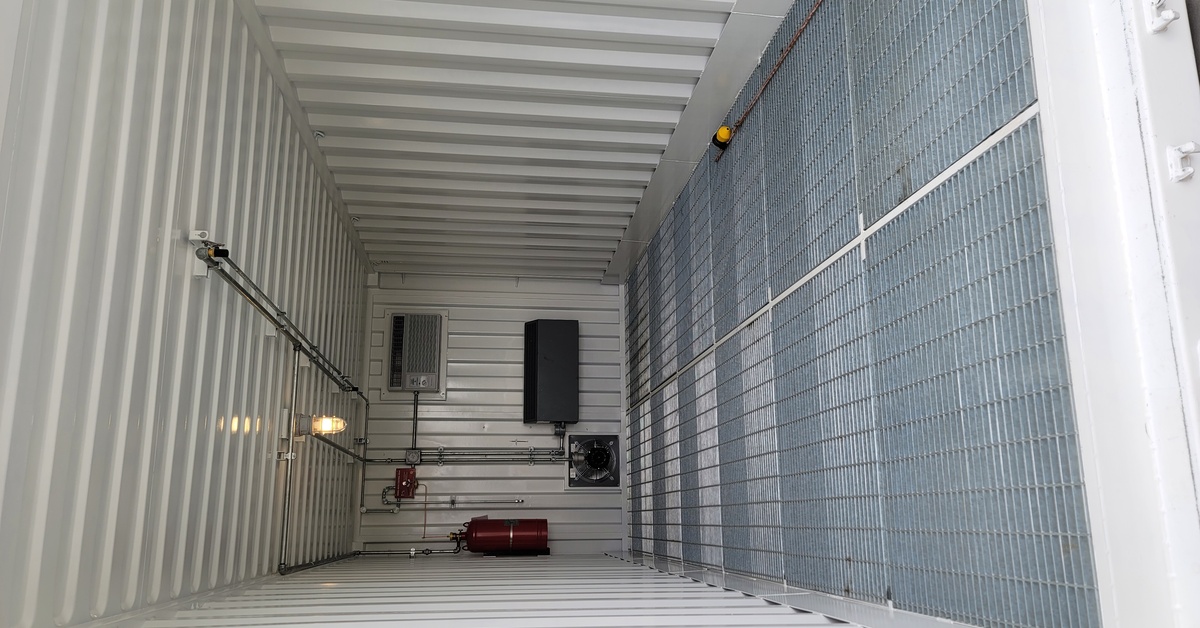
Organizations often modify containers with lighting, shelving, ventilation systems, and safety features to support specific operational requirements.
Industries that handle regulated materials increasingly rely on container-based storage systems because they provide flexibility and security while supporting compliance objectives.
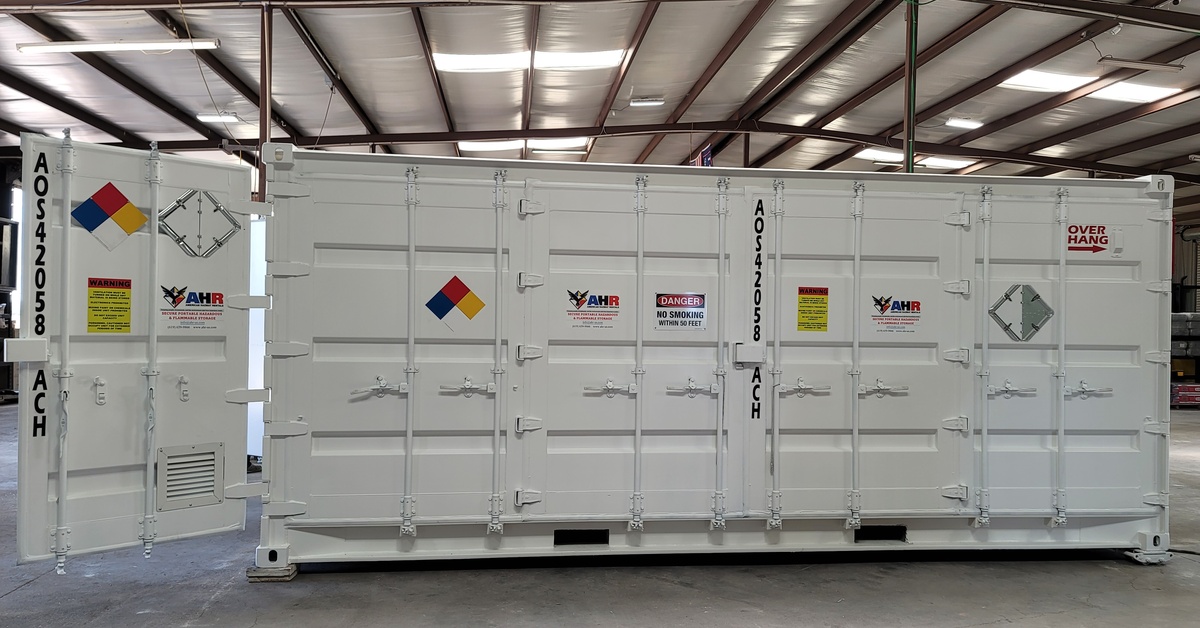
Some organizations also utilize containers as hazardous material storage containers when projects require dedicated storage solutions for regulated substances.
How Technology Continues to Shape Container Evolution
Technology continues to influence the next generation of ISO containers.
Many modern containers now incorporate tracking devices that provide real-time visibility throughout transportation routes. Companies can monitor container locations, improve inventory management, and respond more quickly to supply chain disruptions.
Sensors also help businesses monitor conditions such as temperature, humidity, and door activity.
These technologies improve operational efficiency while helping companies make better logistics decisions.
As digital supply chains expand, smart container technology will likely play an even greater role.
Why ISO Containers Remain Essential Today
Despite decades of innovation, the core principles behind ISO containers remain remarkably effective.
Businesses value consistency, reliability, and flexibility. ISO standards deliver all three.
Whether companies transport products internationally, store equipment on construction sites, support industrial operations, or manage specialized materials, ISO containers provide dependable solutions that adapt to changing needs.
Their standardized design simplifies logistics planning while reducing operational complexity.
As industries continue evolving, ISO containers will likely evolve alongside them. New technologies, specialized configurations, and sustainability initiatives will shape future developments, but the underlying concept will remain the same: create a durable, standardized platform that enables efficient movement and storage of goods.
ISO Containers and Their Impact
The evolution of ISO containers reflects one of the most important transformations in modern logistics. From the inefficiencies of break-bulk shipping to today’s highly integrated global supply chains, standardized containers have consistently improved how businesses move and store materials.
Their influence extends far beyond transportation. Construction firms, manufacturers, energy companies, and industrial organizations rely on ISO containers every day because they offer durability, flexibility, and operational efficiency.
As technology advances and business needs continue to change, ISO containers will remain a critical component of global commerce and industrial operations for years to come.