
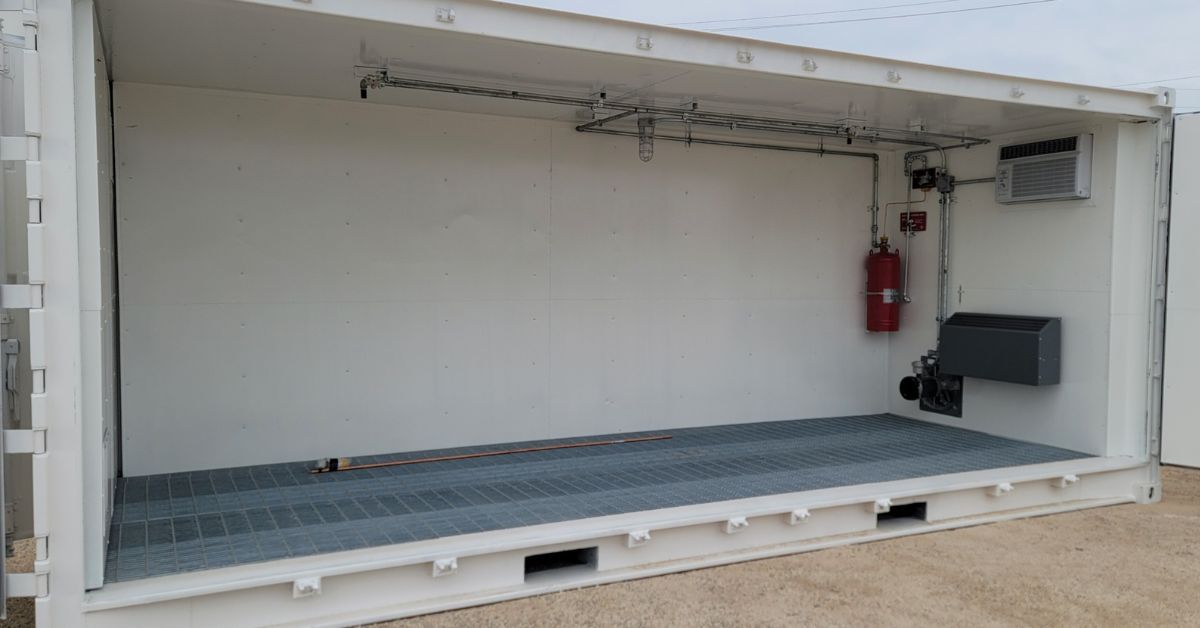
Agribusiness operations handle a wide range of hazardous materials every day. From fertilizers and pesticides to fuels and cleaning agents, these substances play a key role in productivity, but they also introduce serious storage challenges. Companies that manage these materials must balance safety, compliance, efficiency, and scalability.
Agribusiness leaders need practical, reliable hazmat storage solutions that support operations without slowing them down. American Hazmat Rentals specializes in providing flexible storage systems designed for demanding industries that require dependable containment options.
Understanding how to navigate these needs helps organizations reduce risk while maintaining operational momentum.
Why Agribusiness Requires Specialized Hazmat Storage
Agricultural operations rarely deal with just one type of hazardous material. Farms, processing facilities, and distribution centers often store:
- Liquid fertilizers
- Pesticides and herbicides
- Diesel fuel and gasoline
- Bulk chemicals for processing
- Cleaning and sanitation agents
Each material carries unique storage requirements. Temperature sensitivity, flammability, and environmental risks all influence how teams should store these substances. Standard storage solutions rarely meet these demands, which makes specialized hazmat systems essential.
Understanding Regulatory Requirements in Agriculture
Agribusinesses operate under strict federal, state, and local regulations. Agencies such as OSHA, EPA, and NFPA set clear rules around hazardous material storage. These rules address:
- Secondary containment
- Fire resistance
- Ventilation
- Spill prevention
- Labeling and segregation
Failure to comply can result in fines, operational shutdowns, and environmental damage. Companies must make sure their storage solutions align with current regulations and adapt as requirements evolve.
Common Hazmat Risks in Agricultural Operations
Agricultural environments present unique hazards that increase the importance of proper storage. These risks include:
- Chemical spills contaminating soil or water
- Fire hazards from flammable liquids
- Exposure risks for workers
- Cross-contamination between incompatible materials
Improper storage amplifies these risks. A well-designed hazmat storage system reduces exposure and creates a safer working environment.
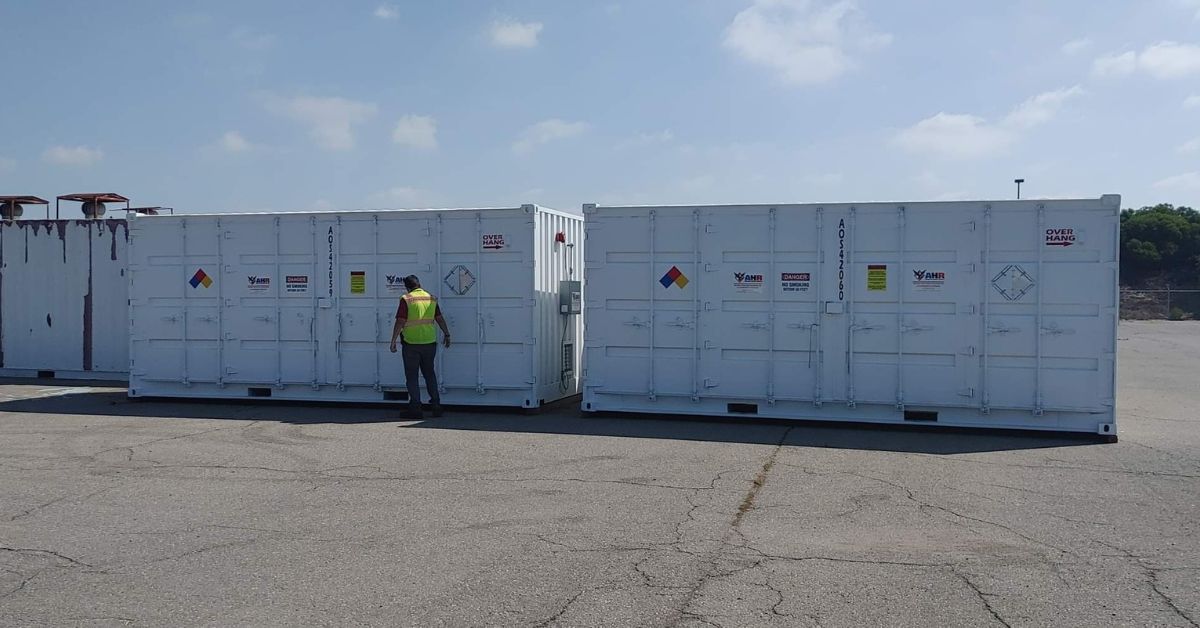
The Role of Containment Systems in Risk Reduction
Containment systems form the backbone of any hazmat storage strategy. Secondary containment prevents leaks from spreading into surrounding areas. This protection matters especially in agriculture, where soil and water contamination can impact crops, livestock, and nearby ecosystems.
Modern containment solutions often include:
- Built-in sumps for spill capture
- Seamless flooring to prevent seepage
- Reinforced walls for structural integrity
These features help agribusinesses maintain control over hazardous materials even in unpredictable conditions.
Choosing Between Permanent and Rental Storage Solutions
Agribusiness operations often face fluctuating storage demands. Seasonal changes, crop cycles, and project-based work all influence how much storage space a company needs at any given time.
Rental hazmat storage solutions provide flexibility. Companies can scale up during peak seasons and scale down when demand decreases. This approach reduces upfront costs while ensuring access to compliant storage systems.
Permanent structures work well for consistent, long-term storage needs. However, many agribusinesses benefit from combining both options to maintain agility.
Key Features to Look for in Hazmat Storage Units
Selecting the right storage unit requires careful evaluation. Agribusinesses should prioritize features that support safety, compliance, and efficiency.
Look for storage units that offer:
- Fire-rated construction
- Proper ventilation systems
- Spill containment capabilities
- Lockable access for security
- Weather-resistant materials
- Compatibility with multiple chemical types
These features ensure that storage systems perform reliably across different environments and use cases.
How Climate and Environment Impact Storage Needs
Agricultural operations often take place in outdoor or semi-exposed environments. Weather conditions can directly affect hazardous materials.
Extreme heat can increase vapor pressure in flammable liquids. Cold temperatures can alter chemical stability. Moisture can lead to corrosion or contamination.
Storage systems must account for these factors. Insulated units, climate control options, and weatherproof construction help maintain safe conditions year-round.
Managing Flammable and Combustible Materials
Many agribusinesses store fuels and other flammable substances. These materials require specialized handling and storage.
Facilities must use fire-rated structures that limit ignition risks. Proper ventilation prevents vapor buildup. Clear labeling and segregation reduce the chance of accidental mixing.
A paint storage building, for example, shares similar safety considerations with other flammable material storage systems. Both require fire resistance, ventilation, and controlled access to reduce hazards.
Streamlining Operations with Modular Storage
Modular hazmat storage systems offer significant advantages for agribusinesses. These units can adapt to changing needs without requiring major construction projects.
Modular systems allow teams to:
- Expand storage capacity quickly
- Relocate units as operations shift
- Customize layouts for specific materials
- Reduce downtime during installation
This flexibility supports fast-paced agricultural environments where efficiency matters.
Integrating Hazmat Storage into Workflow Design
Storage solutions should not exist in isolation. They should integrate seamlessly into daily operations.
Strategic placement of storage units reduces unnecessary movement and improves efficiency. For example, placing fuel storage near equipment areas minimizes transport time. Locating chemical storage near application zones streamlines workflows.
Well-planned layouts also improve safety by reducing congestion and limiting exposure to hazardous materials.
Training and Safety Protocols for Agribusiness Teams
Even the best storage systems require proper handling. Employees must understand how to interact with hazardous materials safely.
Effective training programs should cover:
- Proper storage procedures
- Emergency response protocols
- Spill containment techniques
- Use of personal protective equipment (PPE)
Regular training ensures that teams stay prepared and confident when working with hazardous materials.
The Importance of Scalability in Growing Operations
Agribusinesses often expand over time. New crops, increased production, and additional facilities all drive the need for more storage.
Scalable hazmat storage solutions support this growth. Rental options, modular systems, and customizable units allow companies to adapt without overcommitting resources.
This flexibility helps businesses maintain compliance and safety as they evolve.
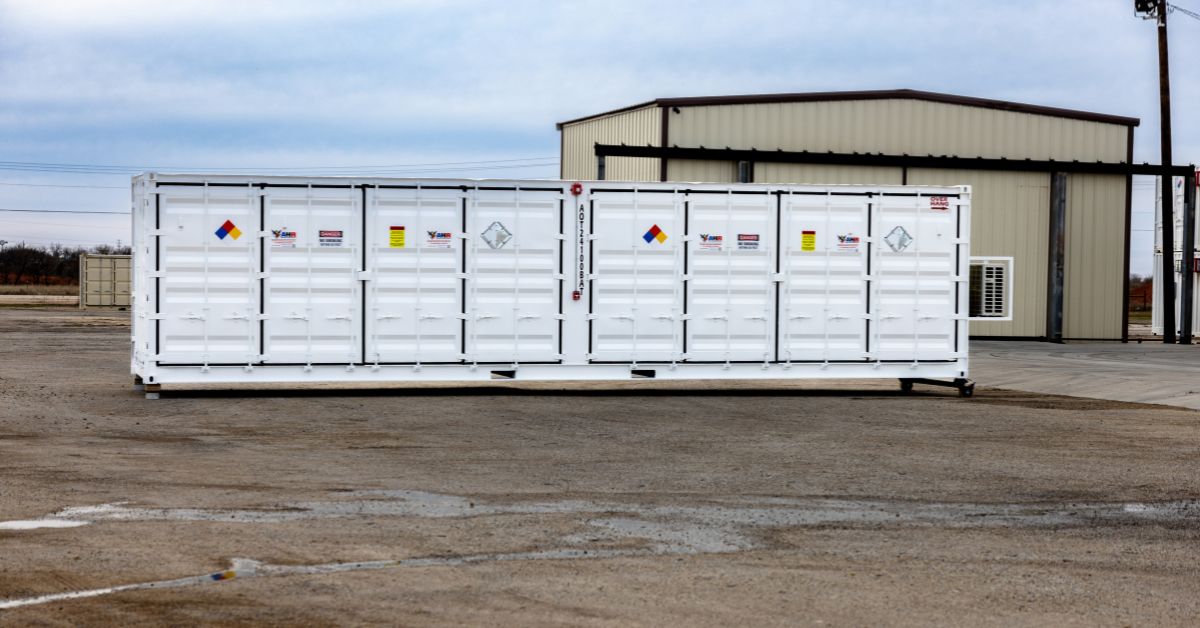
Supporting Sustainability and Environmental Responsibility
Agricultural companies face increasing pressure to operate sustainably. Proper hazmat storage plays a key role in environmental protection.
Effective storage systems prevent leaks and spills that could harm soil and water. They also support responsible chemical management, which reduces waste and improves efficiency.
Sustainability efforts often align with regulatory compliance, making proper storage a smart investment for long-term success.
Why Partnering with a Hazmat Storage Provider Matters
Agribusinesses benefit from working with experienced hazmat storage providers. These partners understand the complexities of hazardous material management and offer solutions tailored to industry needs.
American Hazmat Rentals focuses on delivering flexible, compliant storage options that support a wide range of industries, including agriculture. Our expertise helps businesses navigate challenges without unnecessary complexity.
A knowledgeable provider can recommend the right systems, help with compliance, and provide ongoing support as needs change.
Navigating Hazmat Storage in Agribusiness
Agribusiness operations depend on hazardous materials, but those materials require careful management. Companies must prioritize safety and efficiency when designing their storage strategies.
The right hazmat storage solutions reduce risk, support operational goals, and provide flexibility in a constantly changing environment. By focusing on containment and proper integration, agribusinesses can create safer and more efficient workplaces. Organizations that take a proactive approach to hazmat storage position themselves for long-term success.