
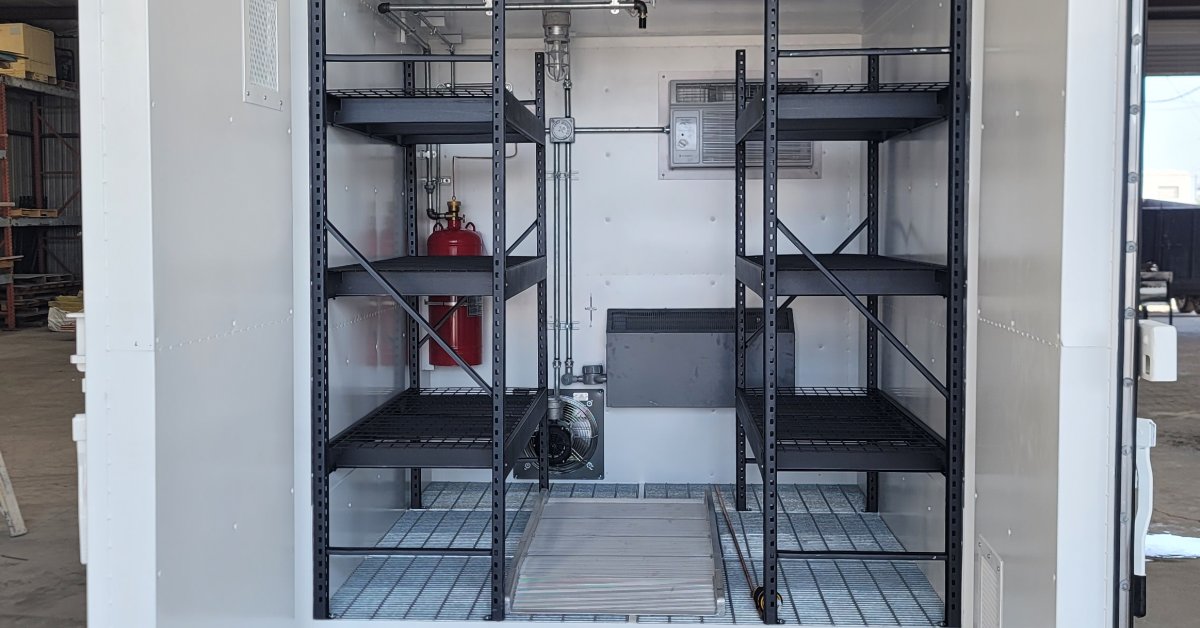
Secondary containment plays a central role in safe and compliant storage practices, especially when businesses handle hazardous materials. Companies across industries rely on proper storage systems to protect people, property, and the environment. Without a solid containment strategy, even a minor leak can escalate into a serious incident that disrupts operations and creates costly liabilities.
American Hazmat Rentals focuses on helping businesses solve hazardous material storage challenges with flexible, reliable solutions. Understanding how secondary containment works, and why it matters, helps decision-makers choose the right approach for their job sites, facilities, and projects.
What Is Secondary Containment?
Secondary containment refers to a backup system designed to capture leaks, spills, or failures from primary storage containers. The primary container holds the hazardous material, while the secondary system acts as a safety net.
Common examples include spill pallets, berms, containment sumps, and double-walled tanks. These systems prevent hazardous substances from escaping into surrounding areas, which reduces environmental risks and improves workplace safety.
Why Primary Storage Alone Falls Short
Primary containers can fail for several reasons. Physical damage, corrosion, improper handling, and manufacturing defects all create risk. Even high-quality containers can degrade over time under harsh conditions.
Relying on a single layer of protection leaves too much room for error. Secondary containment adds redundancy, which strengthens the entire storage system. That extra layer often makes the difference between a controlled incident and a major cleanup event.
How Secondary Containment Protects the Environment
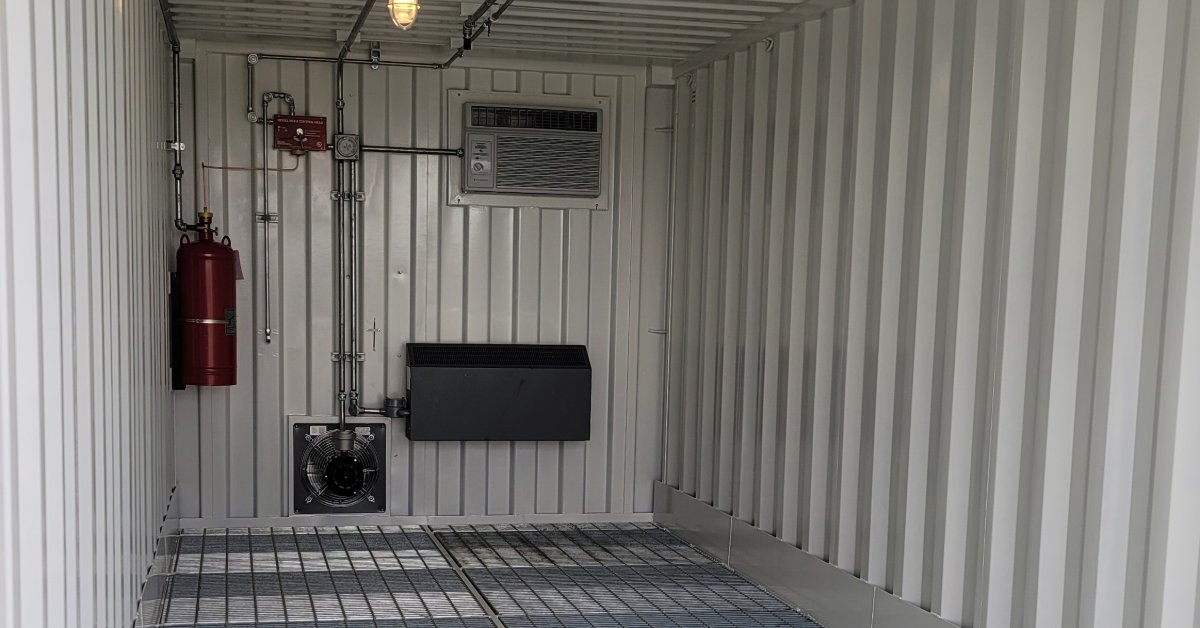
Hazardous materials can contaminate soil, groundwater, and nearby ecosystems when spills occur. Secondary containment systems stop those materials before they spread beyond the storage area.
Containment systems create a controlled boundary. When leaks happen, the system captures and isolates the material, allowing teams to respond quickly. This approach reduces long-term environmental damage and helps companies meet sustainability goals.
How Secondary Containment Supports Regulatory Compliance
Federal, state, and local regulations require proper handling and storage of hazardous materials. Agencies such as the EPA and OSHA enforce strict rules that often include secondary containment requirements.
Failure to comply can result in fines, shutdowns, and legal consequences. A well-designed containment system helps businesses stay aligned with regulations while maintaining operational continuity.
Key Industries That Rely on Secondary Containment
Many industries depend on secondary containment to manage risk effectively. These include:
- Construction and general contracting
- Manufacturing and industrial operations
- Oil and gas projects
- Chemical processing facilities
- Military and government operations
Each of these sectors handles materials that pose safety or environmental risks. Secondary containment helps them operate responsibly while protecting workers and surrounding communities.
Types of Secondary Containment Systems
Different storage needs require different containment solutions. Companies must match the system to the materials, environment, and scale of operations.
Spill pallets work well for drums and smaller containers. Berms provide flexible containment for temporary job sites. Double-walled units offer built-in protection for long-term storage. Modular systems allow teams to scale containment as projects grow.
Selecting the right system ensures proper protection without overcomplicating operations.
How Secondary Containment Improves Workplace Safety
Workplace safety improves significantly when teams implement proper containment systems. Spills can create slip hazards, toxic exposure risks, and fire hazards depending on the material involved.
Secondary containment minimizes these risks by controlling where hazardous materials go during an incident. Workers can respond more safely and efficiently when spills remain confined.
This level of control helps reduce injuries and creates a safer working environment overall.
Cost Benefits of Investing in Secondary Containment
Some companies hesitate to invest in containment systems due to upfront costs. That hesitation often leads to larger expenses later.
Cleanup costs, regulatory fines, downtime, and reputational damage can quickly exceed the cost of prevention. Secondary containment reduces the likelihood of major incidents, which protects both budgets and timelines.
Many businesses also explore chemical storage rentals to access high-quality containment solutions without large capital investments. This approach provides flexibility while maintaining compliance and safety standards.
Secondary Containment for Temporary vs. Permanent Storage
Not every project requires the same level of permanence. Construction sites and short-term projects often need temporary containment solutions that can move easily.
Permanent facilities, on the other hand, require durable systems designed for long-term use. These systems often include reinforced materials, integrated drainage, and advanced monitoring features.
Understanding the difference helps businesses choose the right setup for each situation.
Factors to Consider When Choosing a Containment System
Choosing the right secondary containment system involves several key considerations:
- Type of hazardous material
- Volume of storage
- Environmental conditions
- Duration of use
- Regulatory requirements
Each factor influences the design and effectiveness of the containment solution. A thoughtful approach ensures that the system performs as expected under real-world conditions.
How Secondary Containment Supports Operational Efficiency
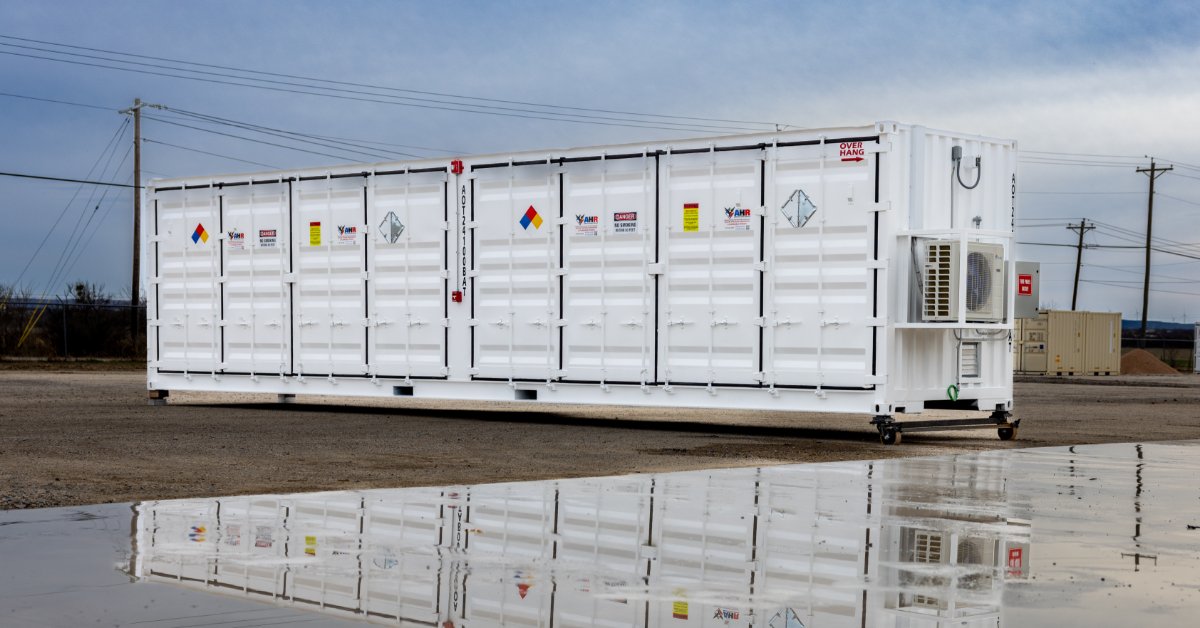
Containment systems do more than prevent problems—they also improve efficiency. Organized storage areas reduce clutter and make materials easier to access.
When teams know that containment systems will manage potential spills, they can focus on completing tasks instead of worrying about unexpected hazards. This confidence improves productivity and keeps projects on schedule.
Common Mistakes to Avoid with Secondary Containment
Even with the right equipment, mistakes can undermine effectiveness. Some common issues include undersized containment systems, poor placement, and lack of maintenance.
Teams should always verify that containment capacity meets or exceeds regulatory requirements. They should also inspect systems regularly to ensure they remain in good condition.
Proper training plays a key role as well. Workers need to understand how containment systems function and how to respond during an incident.
The Role of Maintenance in Long-Term Performance
Secondary containment systems require ongoing attention to perform effectively. Regular inspections help identify cracks, wear, or damage before they become serious issues.
Cleaning also matters. Debris, standing liquids, and residue can reduce capacity and interfere with proper function. Keeping systems clean ensures they remain ready for use at all times.
Consistent maintenance extends the lifespan of containment systems and protects the investment.
How Rental Solutions Enhance Flexibility
Many businesses face changing storage needs based on project demands. Rental options allow companies to scale containment systems up or down without committing to permanent purchases.
American Hazmat Rentals provides a wide range of storage and containment solutions tailored to different industries and project sizes. This flexibility helps companies stay compliant while adapting to evolving requirements.
Rental solutions also reduce storage burdens when equipment is not in use, which keeps operations lean and efficient.
Why Secondary Containment Remains Essential
Secondary containment continues to serve as a critical safeguard in hazardous material storage. It protects the environment, supports compliance, improves safety, and reduces financial risk.
Businesses that prioritize containment create stronger, more resilient operations. They reduce uncertainty and gain better control over potential hazards.
In industries where even small mistakes carry serious consequences, secondary containment provides a practical and proven layer of protection.