
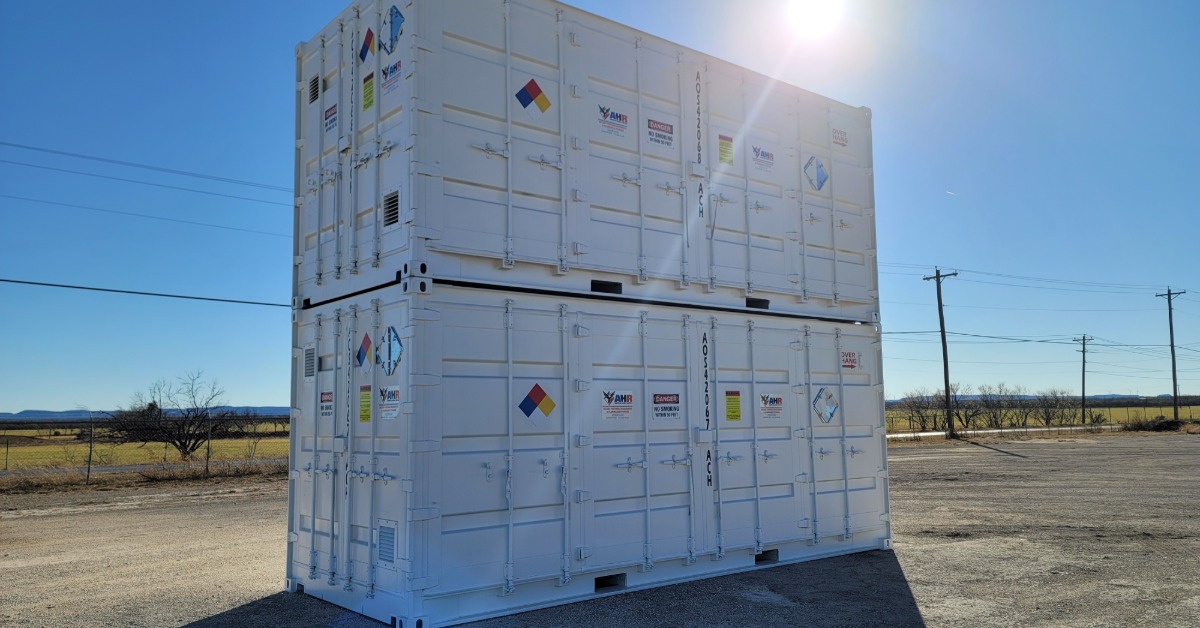
Hazardous material storage requires careful planning, proper equipment, and consistent safety practices. Every storage container has a designed capacity that allows it to perform safely while protecting workers, facilities, and the environment. When organizations exceed those limits, they create risks that extend well beyond a lack of available storage space.
An overfilled storage container can increase the likelihood of spills, interfere with ventilation, limit emergency access, and even affect regulatory compliance. Understanding why storage capacity matters helps businesses make better decisions before small problems become major incidents.
What Does It Mean to Overfill a Hazmat Storage Container?
Overfilling does not simply mean placing too many drums or containers inside a storage unit. It means exceeding the storage system’s intended operating limits.
Manufacturers determine safe capacity based on structural strength, ventilation performance, secondary containment, weight distribution, and employee access. Even if additional materials physically fit inside the container, the storage unit may no longer operate as designed once those limits are exceeded.
Safe storage always depends on more than available floor space.
Why Storage Capacity Exists
Every hazmat storage container undergoes engineering to perform under specific operating conditions. The flooring supports a designated amount of weight, ventilation systems move air at calculated rates, and secondary containment holds a defined spill volume.
These systems work together to reduce hazards. When businesses exceed the intended capacity, they change the conditions under which the storage unit was designed to operate.
Respecting storage limits helps every safety feature perform as intended.
How Overfilling Increases Spill Risks
Crowded storage areas leave very little room for employees to move materials safely. Forklifts, drum handlers, pallet jacks, and other equipment require adequate clearance to avoid accidental impacts.
When containers sit too close together, routine handling becomes much more difficult. A small bump can damage valves, loosen fittings, or puncture containers. Instead of affecting one drum, an accident may involve several containers because they have little separation.
The more crowded the storage unit becomes, the greater the potential for accidental releases.
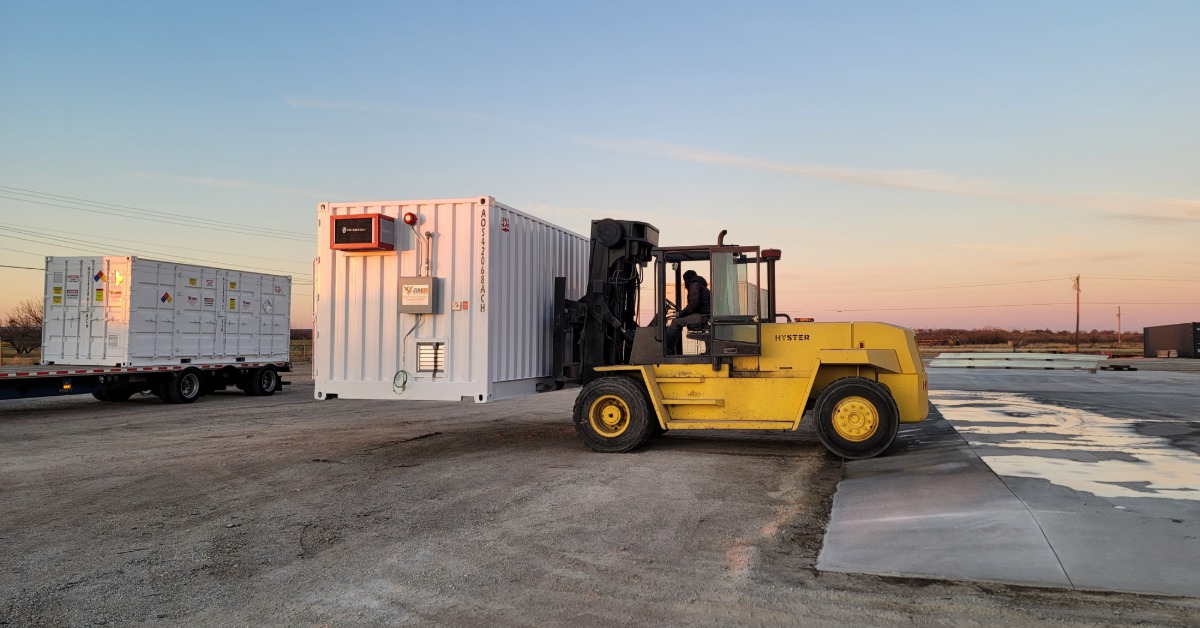
Why Emergency Access Matters
During an emergency, every second counts.
Firefighters and hazardous material response teams need clear access to leaking containers, valves, and spill areas. An overfilled storage unit creates obstacles that slow response efforts and complicate cleanup operations.
Employees may also struggle to reach emergency shutoffs or isolate damaged containers if stored materials block normal pathways.
Storage layouts should always allow personnel to reach every part of the container without unnecessary delays.
Can Overfilling Affect Ventilation?
Yes. Many hazardous materials produce vapors during storage, making ventilation one of the most important safety features within a storage container.
When materials block airflow or reduce open space inside the unit, ventilation systems may not circulate air as efficiently. Reduced airflow allows vapors to accumulate more easily, potentially increasing worker exposure while creating conditions that require additional safety precautions.
Proper spacing supports consistent airflow throughout the storage area.
Secondary Containment Has Limits
Secondary containment serves as the last line of defense if a primary container leaks.
Manufacturers size containment systems according to the intended storage capacity. Overfilling the storage unit can reduce available containment space or prevent spilled materials from flowing properly into containment areas.
Crowded conditions may also make spill cleanup much more difficult because responders cannot easily reach the affected containers.
Maintaining appropriate storage levels helps secondary containment perform effectively when it becomes necessary.
Fire Risks May Increase
Facilities storing flammable or combustible materials must carefully manage available space inside storage units.
Overfilled containers often reduce separation between hazardous materials while limiting airflow throughout the enclosure. In some situations, these conditions may contribute to greater fire hazards.
Crowded storage can also interfere with fire protection systems by reducing sprinkler effectiveness or making it harder for emergency personnel to access the source of a fire.
Following recommended storage capacities helps reduce these unnecessary risks.
Routine Inspections Become More Difficult
Regular inspections allow businesses to identify problems before they become emergencies.
Inspectors need clear visibility to examine container labels, valves, corrosion, leaks, and overall housekeeping conditions. When materials become tightly packed together, important issues may remain hidden behind other containers.
If employees must move several drums simply to inspect one container, inspections become slower, more difficult, and less effective.
Keeping storage areas organized encourages consistent inspections throughout the year.
Employee Safety Can Decline
Workers perform safer and more efficiently when they have enough room to complete routine tasks.
Overfilled storage containers often force employees into awkward lifting positions or require them to maneuver equipment through narrow spaces. Limited visibility and restricted movement increase the chances of accidents during loading, unloading, and inventory management.
Safe storage should always support employee movement instead of restricting it.
Regulatory Compliance May Be Impacted
Hazardous material storage falls under numerous federal, state, and local regulations. While specific requirements vary by material type and facility, nearly all regulations emphasize maintaining safe storage conditions.
Storage areas that exceed their intended capacity may create compliance concerns involving emergency access, spill prevention, fire protection, workplace safety, or environmental protection.
Maintaining proper storage capacity helps organizations support ongoing compliance while reducing operational risk.
Can Overfilling Damage the Storage Container?
Yes. Every storage unit has structural limitations.
Excessive weight places additional stress on flooring systems, support members, hinges, and doors. Over time, repeated overloading may contribute to premature wear or structural damage that shortens the useful life of the storage container.
Protecting the storage unit itself helps protect the materials stored inside it.
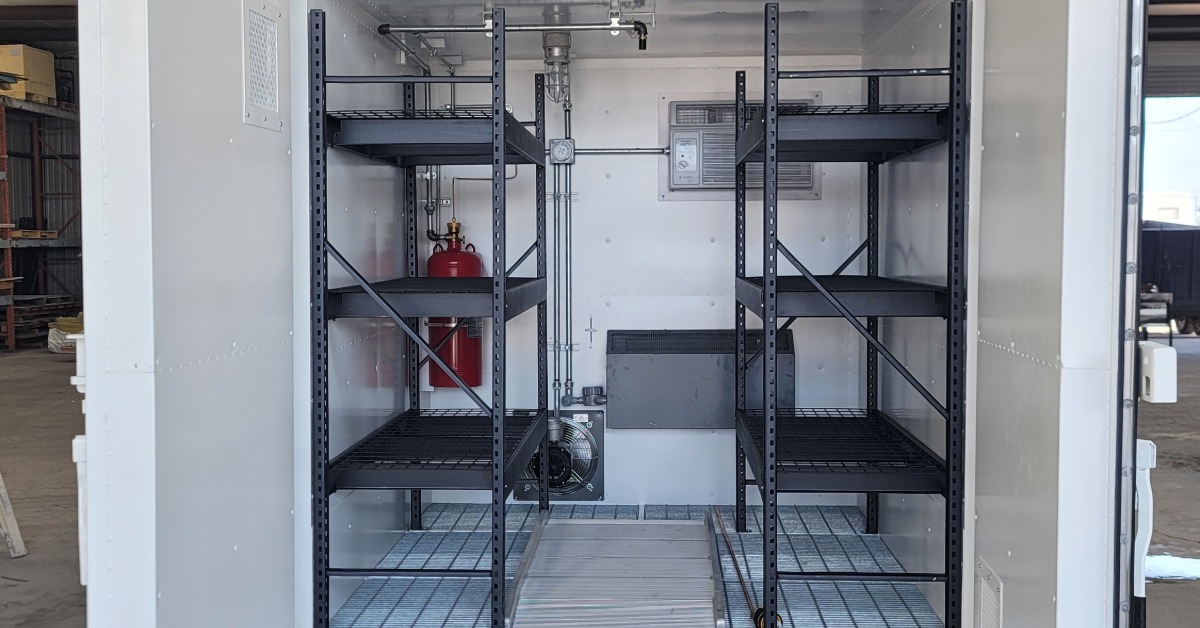
How Businesses Can Prevent Overfilled Storage
Preventing overfilled storage begins with proactive planning rather than reacting after space runs out.
Organizations should routinely review inventory levels, remove outdated materials, and evaluate whether existing storage capacity still meets operational demands. Businesses experiencing growth often benefit from adding storage before current units reach their limits.
Simple planning efforts can prevent many storage-related safety issues.
The following practices help facilities avoid overfilled storage:
- Monitor inventory on a regular schedule.
- Remove expired or unnecessary materials promptly.
- Store compatible materials according to applicable requirements.
- Maintain clear walkways and access points.
- Expand storage capacity before existing units become overcrowded.
These habits improve safety while making day-to-day operations more efficient.
When Is It Time for More Storage Capacity?
Businesses evolve over time. New projects, larger inventories, and expanding operations often require additional hazardous material storage.
If employees struggle to move materials safely, inspections become difficult, or new shipments no longer fit comfortably inside existing storage units, it may be time to evaluate larger or additional storage solutions.
Investing in sufficient storage capacity costs far less than dealing with spills, damaged equipment, regulatory penalties, or workplace injuries.
Many organizations choose larger or additional hazmat storage containers to accommodate changing operational needs while maintaining safe working conditions.
Proper Storage Capacity Protects People and Property
Every hazardous material storage program depends on maintaining safe operating conditions. Overfilling a storage container increases risks that affect employees, emergency responders, facilities, and the surrounding environment.
By respecting storage limits, maintaining organized inventory, and planning for future growth, businesses allow ventilation systems, secondary containment, structural components, and emergency access features to function exactly as intended.
Choosing the appropriate storage capacity for a storage container remains one of the simplest and most effective ways to improve workplace safety, support regulatory compliance, and protect valuable assets.