
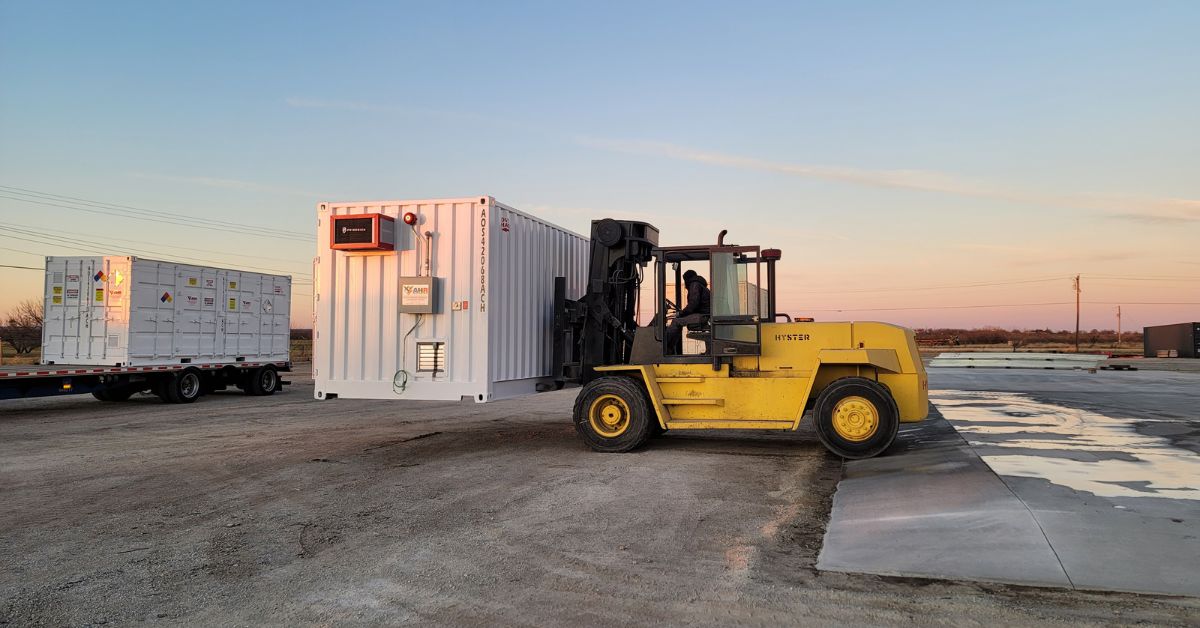
Intermodal containers play an important role across construction, industrial, and logistics operations. Companies rely on them for secure storage, transport, and on-site organization. When you rent an intermodal container, you make a practical decision, but you also take on responsibilities that impact safety, compliance, and efficiency.
If you want to get the most value from your rental, you need to understand how these containers work, what options exist, and how to choose the right setup for your jobsite.
What Is an Intermodal Container?
An intermodal container is a standardized steel container designed for transport across multiple modes, including truck, rail, and ship, without unloading cargo. These containers also serve as durable and secure storage units for job sites.
Many businesses refer to them as shipping containers, but rental providers often modify them for specific applications. You can find units designed for general storage, high-security environments, and regulated material handling.
Why Businesses Choose to Rent
Renting gives companies flexibility without tying up capital in long-term assets. Instead of purchasing a container outright, businesses can match their storage needs to project timelines and operational demands.
This approach works especially well for temporary job sites, seasonal workloads, and situations where storage needs may change quickly. Renting also allows access to specialized container types that would otherwise require a significant upfront investment.
Understanding Container Sizes and Layouts
Intermodal containers come in standard sizes, most commonly 20-foot and 40-foot units. While the size may seem like a simple choice, the layout and configuration often matter just as much.
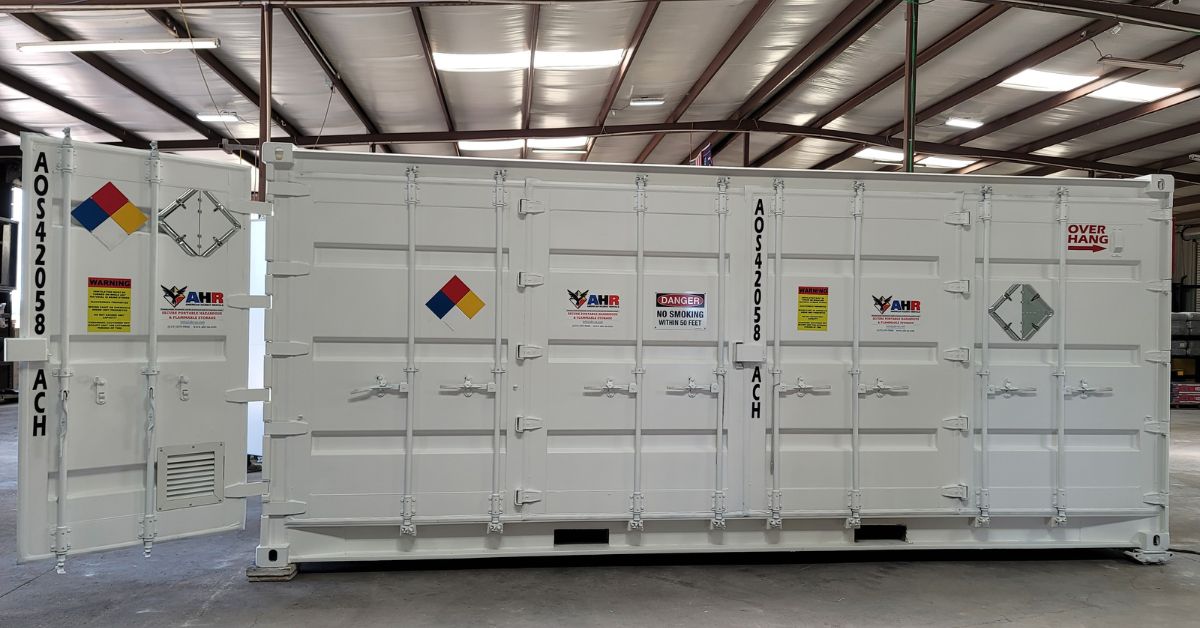
Some containers feature standard single-door access, while others include double doors or open-side designs that improve accessibility. Taller units provide additional vertical space, which can make a difference when storing bulky equipment or stacking materials.
Choosing the right size and layout ensures you can use the full interior space efficiently without creating workflow bottlenecks.
Identifying Your Storage Needs
Before renting a container, you should clearly define what you plan to store. Different materials require different conditions, and overlooking these details can create operational challenges.
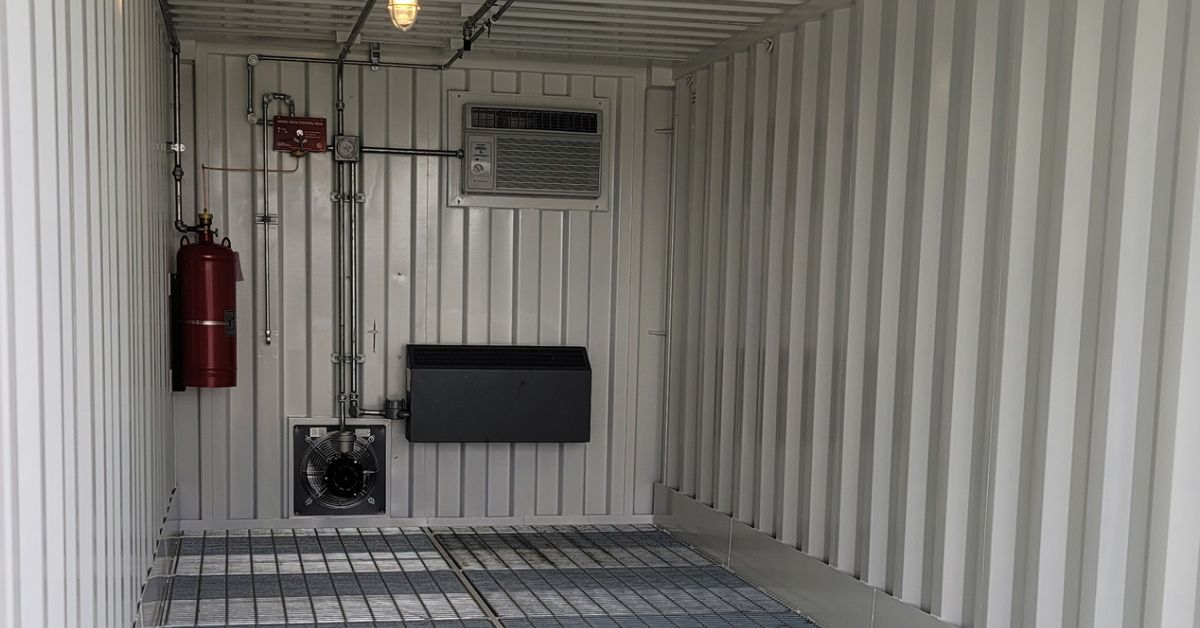
For example, some materials need proper airflow to prevent moisture buildup, while others require insulation or temperature control. If you plan to store regulated materials, you may need specialized solutions like hazmat storage containers to meet safety and compliance requirements.
Taking time to evaluate your storage needs helps you select a container that supports both safety and efficiency.
Preparing Your Site for Delivery
Site preparation plays a major role in how well your container performs. A poorly prepared surface can lead to shifting, door misalignment, and water intrusion.
You should place containers on a stable, level base such as compacted gravel or concrete. Proper drainage also matters, as standing water can lead to corrosion and long-term structural issues.
In addition, make sure the site allows enough space for delivery trucks to maneuver and position the container without difficulty.
Planning for Delivery and Placement
Container delivery requires more coordination than many people expect. Large trucks need clear access to your site, and obstacles can delay the process.
You should evaluate the delivery route ahead of time, paying attention to overhead clearances, tight turns, and ground conditions. Placement also matters. Position the container so the doors face a convenient and accessible direction based on your daily operations.
Clear communication with your rental provider helps avoid delays and helps with a smooth delivery process.
Prioritizing Security on Your Jobsite
Security remains one of the biggest advantages of using an intermodal container. Steel construction provides a strong first layer of protection, but additional features can improve security even further.
Many containers include lockboxes that shield padlocks from tampering. Reinforced doors and heavy-duty hinges add another level of protection. These features become especially important when you store valuable equipment or sensitive materials on-site.
A secure container helps reduce the risk of theft and keeps your operations running without disruption.
Managing Ventilation and Internal Conditions
Standard intermodal containers do not always provide ideal airflow. Without proper ventilation, heat and moisture can accumulate inside, which can damage stored materials.
Adding vents or upgrading to a ventilated design helps regulate internal conditions. In some cases, insulation or climate control becomes necessary, especially when storing temperature-sensitive items.
Understanding how environmental factors affect your materials allows you to choose the right container setup and avoid unnecessary damage.
Meeting Compliance and Safety Standards
If your operations involve chemicals, fuels, or other regulated materials, compliance becomes a critical factor. You must follow OSHA guidelines, EPA standards, and local fire codes when using storage containers.
Failing to meet these requirements can lead to fines or operational shutdowns. It can also create safety risks for workers and surrounding environments.
Working with a provider that understands regulatory requirements ensures you select a container that meets the necessary standards from the start.
Exploring Customization Options
Many rental containers offer customization options that improve usability and efficiency. These modifications help tailor the container to your specific workflow.
For example, interior shelving can improve organization, while lighting systems make it easier to access materials in low-light conditions. Electrical setups and spill containment systems add further functionality for specialized applications.
Custom features allow you to create a more productive and safer work environment without investing in permanent structures.
Understanding Rental Costs and Agreements
Rental pricing varies based on several factors, including container size, rental duration, and location. Delivery and pickup fees can also impact the total cost.
Short-term rentals often cost more per month, while longer agreements usually offer better overall value. You should review contract terms carefully to understand what the rental includes and whether additional fees may apply.
Maintaining the Container During Use
Even though you rent the container, you still need to monitor its condition throughout the rental period. Regular inspections help identify issues before they become larger problems.
Check that doors open and close properly, look for signs of water intrusion, and ensure locks remain secure. If you notice damage or wear, notify your provider promptly so they can address the issue.
Routine maintenance supports safe operation and helps extend the usability of the container.
Avoiding Common Rental Mistakes
Many businesses run into problems because they overlook key details during the rental process. Choosing the wrong size, ignoring site preparation, or failing to consider compliance requirements can create unnecessary complications.
You should also avoid underestimating delivery logistics or skipping important security features. Taking a thoughtful approach from the beginning helps prevent these issues and keeps your project on track.
Choosing the Right Rental Partner
The rental provider you choose can make a significant difference in your overall experience. A knowledgeable company will guide you through the selection process and help you find the best solution for your needs.
Look for a provider that offers a wide range of container options and understands industry regulations. Reliable delivery, clear communication, and responsive support also matter.
American Hazmat Rentals focuses on providing flexible storage solutions for businesses nationwide. Our experience in handling complex storage requirements helps companies stay compliant and efficient.
Renting an Intermodal Container
Renting an intermodal container offers a practical and adaptable solution for many industries. It provides secure storage, flexibility, and access to specialized options without requiring a long-term investment.
When you take the time to understand your needs, prepare your site, and choose the right features, you set your operation up for success. A well-selected container supports organization, protects valuable materials, and helps maintain a safe and efficient jobsite.