
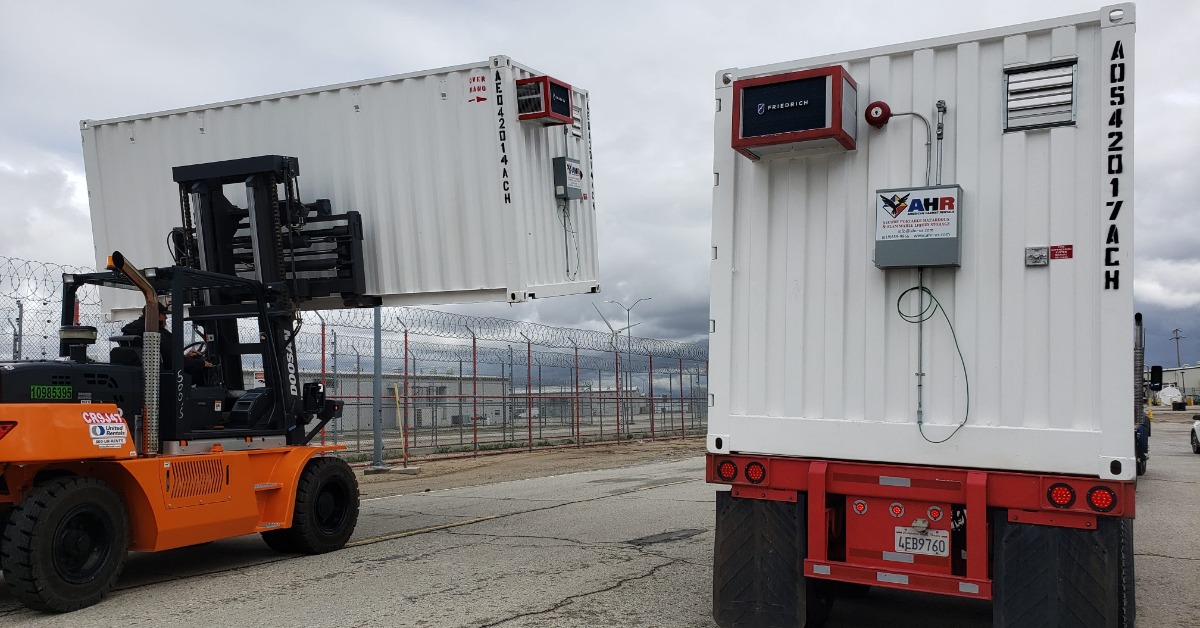
Hazardous materials require careful storage to protect workers, facilities, and the surrounding environment. When a storage system fails, the consequences can extend far beyond a leaking container or damaged chemical drum. Businesses may face workplace injuries, environmental contamination, operational disruptions, and costly regulatory violations.
Understanding what happens after a hazmat storage failure helps facility managers respond effectively and reduce further damage. Whether the incident involves a chemical spill, fire, or containment breach, the actions that follow can determine how quickly a facility returns to normal operations.
What Causes Hazmat Storage Systems To Fail?
Hazmat storage failures often result from equipment deterioration, improper handling, or inadequate storage conditions. Corrosion can weaken containers over time, while accidental impacts from forklifts or other equipment may damage protective barriers.
Improper chemical segregation also creates significant risks. When incompatible substances come into contact, they can trigger dangerous reactions that generate heat or release toxic gases.
Poor ventilation, excessive temperatures, and overloaded storage areas can increase the likelihood of an incident. Regular inspections help facilities identify these hazards before they escalate into emergencies.
What Happens Immediately After a Storage Failure?
The first moments following a storage failure often determine the severity of the incident. A damaged container may release hazardous liquids, vapors, or gases into the surrounding area.
Depending on the substance, workers could encounter immediate health hazards or dangerous atmospheric conditions. Flammable materials may also create ignition risks.
Facility personnel must quickly assess the situation without exposing themselves to unnecessary danger. Workers should follow established emergency procedures rather than attempting to contain unfamiliar substances.
How Should Workers Respond to a Chemical Spill?
Chemical spills require different responses depending on the material involved, the quantity released, and the surrounding conditions.
Employees should first recognize potential hazards and alert appropriate personnel. Only workers with the necessary training and protective equipment should attempt cleanup activities within their authorized responsibilities.
A typical initial response may include:
- Alerting nearby workers and activating emergency procedures.
- Evacuating or isolating affected areas when necessary.
- Identifying the substance through labels and safety data sheets when safe.
- Contacting trained emergency response personnel.
- Preventing unauthorized access until responders control the hazard.
Facilities should establish these procedures before an incident occurs. Clear responsibilities help workers avoid confusion during emergencies.
What Health Risks Can Follow a Hazmat Storage Failure?
Hazardous material releases can threaten worker health through inhalation, skin contact, or accidental ingestion.
Some chemicals cause immediate symptoms, including respiratory irritation or chemical burns. Others may create serious health consequences after prolonged exposure.
The severity depends on the chemical’s toxicity, concentration, exposure duration, and route of contact.
Employers must prioritize worker safety and arrange appropriate medical evaluation when exposure occurs. Safety data sheets provide important information about symptoms, first-aid measures, and necessary protective precautions.
How Can Storage Failures Trigger Fires or Explosions?
Flammable liquids and combustible vapors create serious dangers when storage systems lose containment.
A leaking container can release vapors that travel toward nearby ignition sources. Electrical equipment, hot surfaces, and welding activities may provide enough energy to ignite certain substances.
Chemical reactions can also generate excessive heat or pressure, potentially causing additional container failures.
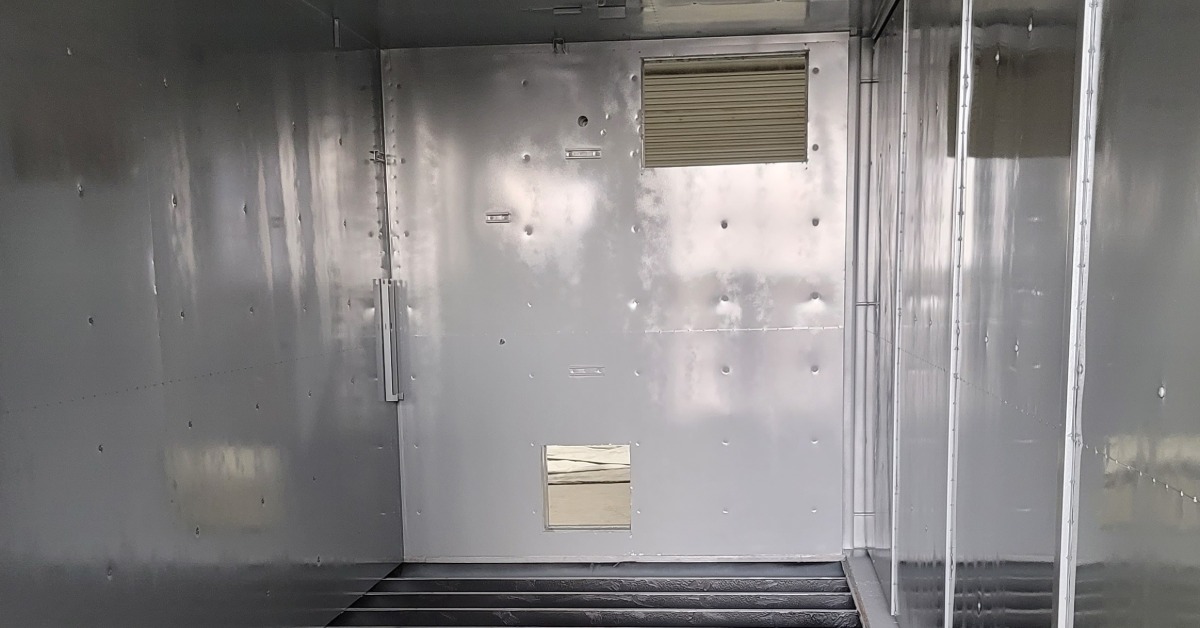
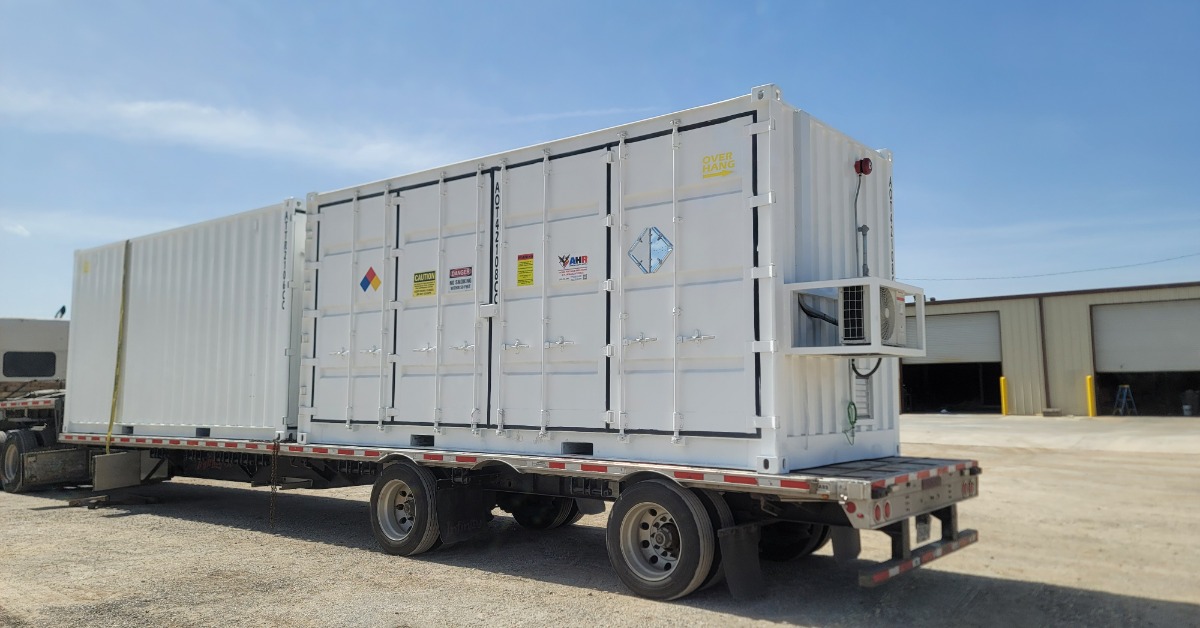
Properly designed hazardous storage containers help facilities manage specific storage risks through features such as spill containment, ventilation, and fire-rated construction when appropriate.
However, facilities must select storage equipment according to the materials and hazards involved.
What Environmental Damage Can a Storage Failure Cause?
A chemical release can affect more than the immediate storage area. Hazardous liquids may enter soil, drainage systems, or nearby waterways when containment measures fail.
Some substances persist in the environment and require extensive remediation. Others can threaten aquatic ecosystems or contaminate groundwater.
Even relatively small releases may create substantial cleanup challenges when chemicals reach sensitive locations.
Secondary containment systems help limit the movement of spilled materials. Facilities should also evaluate nearby storm drains and other potential pathways when developing emergency response plans.
When Must Businesses Report a Hazmat Incident?
Reporting requirements depend on the substance, release quantity, location, and applicable regulations.
Certain releases trigger notification obligations under federal environmental laws. State and local authorities may impose additional requirements.
For example, facilities may need to notify the National Response Center when releases of designated hazardous substances meet or exceed applicable reportable quantities.
Businesses should not assume that every spill requires identical reporting procedures.
Environmental compliance personnel must evaluate the circumstances promptly and determine which agencies require notification. Accurate documentation helps support regulatory compliance and subsequent investigations.
How Do Emergency Responders Contain the Damage?
Emergency responders begin by identifying the hazards and establishing appropriate protective measures.
Their response may involve isolating the affected area, controlling ignition sources, or preventing chemicals from reaching drainage systems.
Specialized teams may use absorbent materials, compatible containment equipment, or other techniques appropriate for the substance.
Responders must also consider potential reactions between spilled chemicals and cleanup materials.
Large or complex incidents may require coordination among fire departments, hazardous materials teams, environmental contractors, and facility representatives.
What Happens During Hazardous Material Cleanup?
Cleanup begins after qualified personnel stabilize the immediate hazard and determine appropriate recovery procedures.
Workers may collect spilled materials, remove contaminated equipment, or transfer remaining chemicals into compatible containers.
Cleanup methods depend on the chemical properties and the extent of contamination. Certain incidents require environmental sampling to determine whether hazardous substances reached surrounding soil or water.
Facilities must also manage contaminated absorbents and other cleanup debris according to applicable waste regulations.
A successful cleanup addresses both visible contamination and potential hazards that remain after the initial response.
How Can a Storage Failure Disrupt Business Operations?
Hazmat incidents can interrupt production schedules and prevent employees from accessing essential work areas. Facilities may temporarily suspend operations while emergency teams assess hazards or complete cleanup activities.
Damaged inventory, contaminated equipment, and restricted access can create additional delays.
Construction projects and industrial operations may face scheduling complications when hazardous materials become unavailable.
Businesses should account for these potential disruptions when developing continuity plans. Alternative storage arrangements and established emergency contacts can help reduce downtime.
What Financial Consequences Can Businesses Face?
Storage failures can generate expenses beyond the immediate cost of replacing damaged materials.
Businesses may need to pay for emergency response services, specialized cleanup contractors, environmental testing, and equipment replacement. Regulatory penalties can increase costs when investigators identify violations of applicable requirements.
Insurance coverage may help address certain losses, although policy terms and exclusions determine reimbursement. Operational downtime can also affect revenue and contractual obligations.
Preventive maintenance and suitable storage infrastructure often cost considerably less than managing a major hazardous material incident.
How Do Investigators Determine What Went Wrong?
After responders stabilize the situation, facility managers should investigate the underlying causes.
Investigators may review inspection records, employee training documentation, equipment conditions, and chemical handling procedures.
They should also examine whether storage practices matched manufacturer recommendations and applicable safety requirements. The investigation should distinguish immediate causes from broader operational weaknesses.
For example, a leaking drum may indicate more than simple equipment damage. Inadequate inspections or incompatible storage conditions could have contributed to its deterioration.
What Should Businesses Do After a Hazmat Storage Failure?
Recovery after a hazmat storage failure should extend beyond cleanup and equipment replacement. Businesses must determine why the incident occurred and take meaningful corrective action.
Facility managers should document the event, review emergency response performance, and implement improvements that address identified risks.
They should also verify that replacement storage equipment meets operational needs and applicable requirements.
A hazmat storage failure can create serious consequences, but a thorough response helps businesses restore operations and reduce the likelihood of another incident.